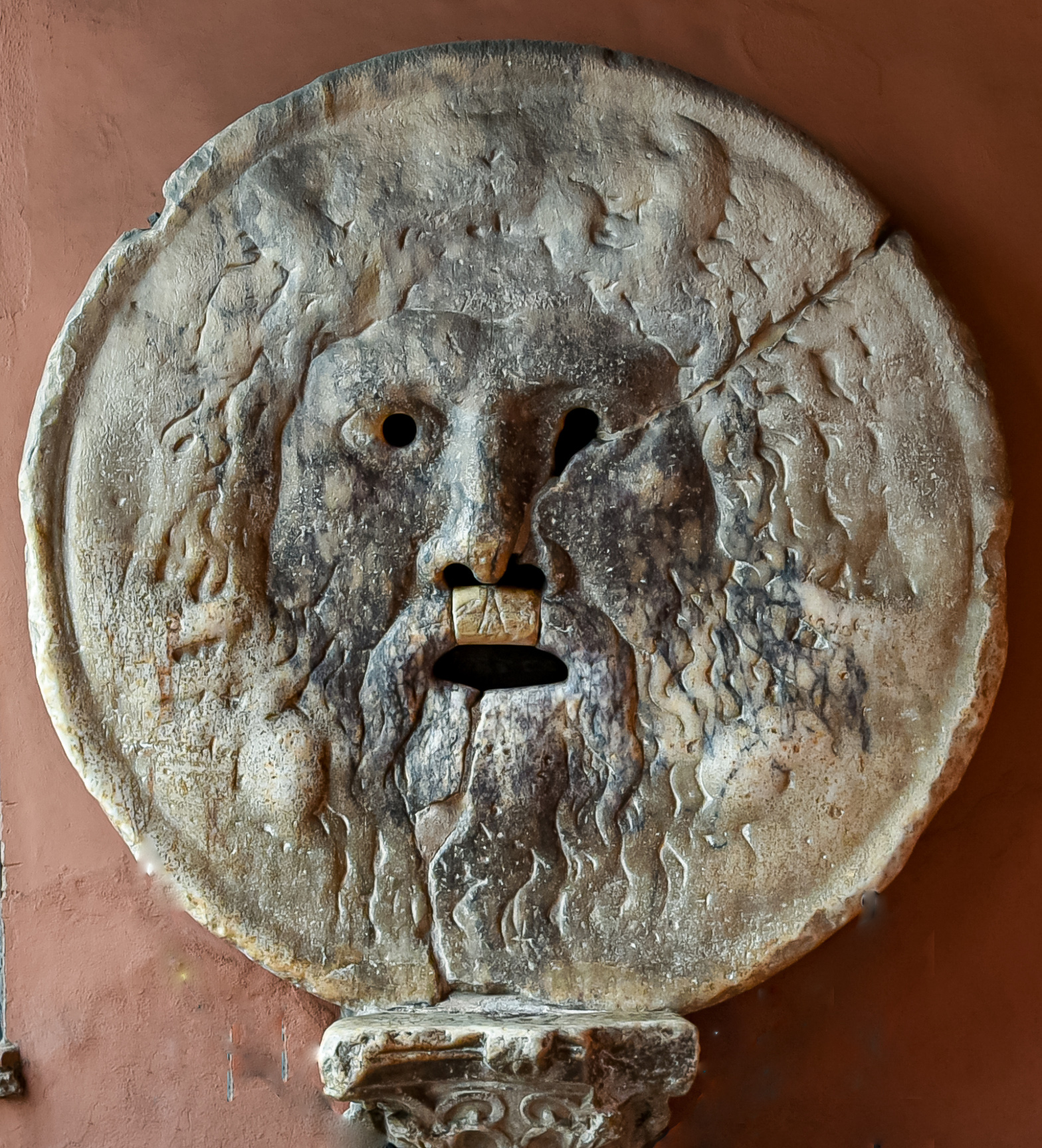

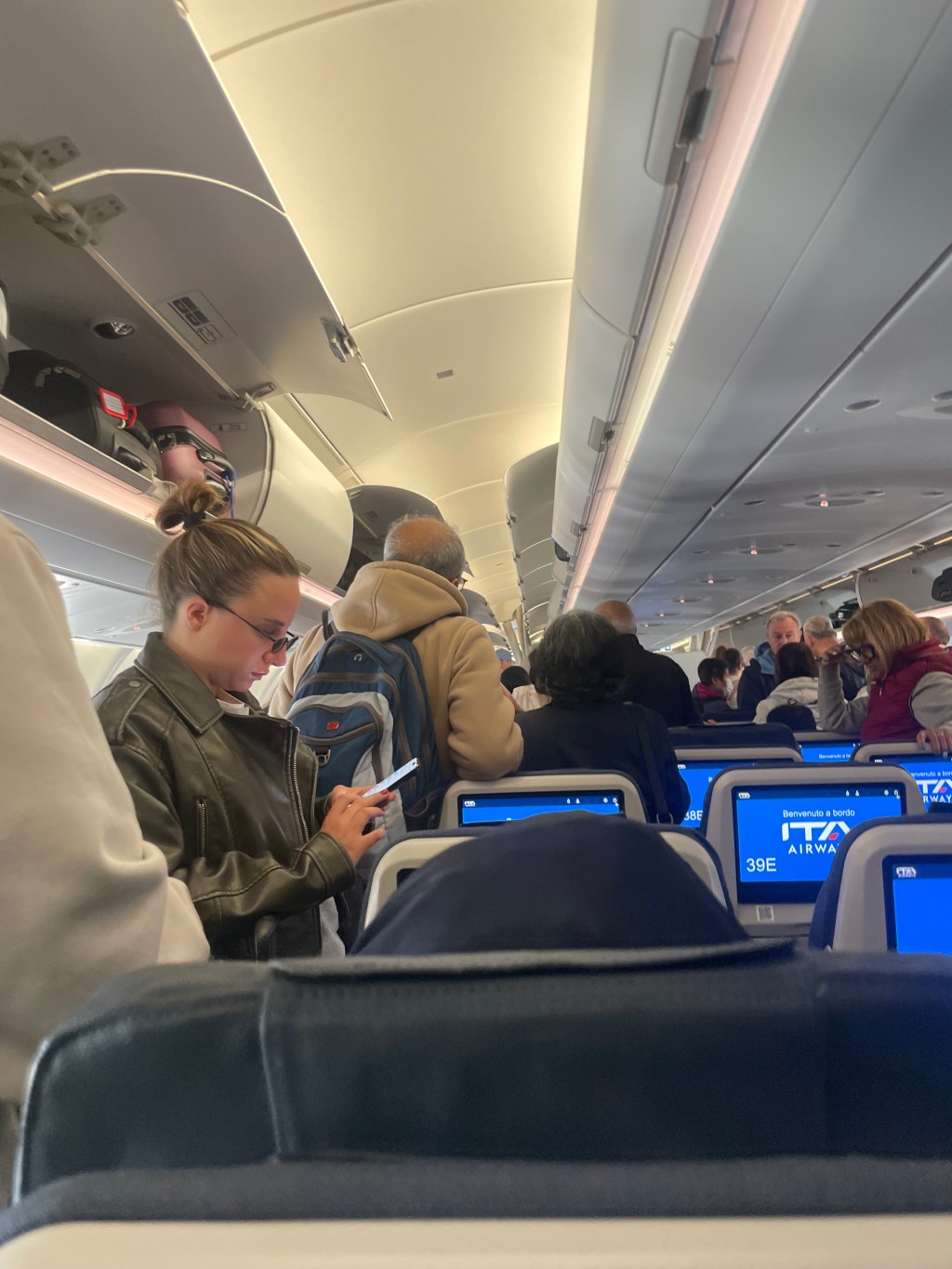


Pic 1: TSA!! Pic 2: The dreaded “wait,” when in taxi mode on a plane!
DOUBLE POST
With Quotes, Words: 1121
Without Quotes, Words: 946
Read Time: 6 minutes
Questions Asked: What are you most excited about? Did anything surprise you in the Readings? Did you have any impromptu conversations in the airport? Did any family or friends give you advice before you left? What is the funniest quote from the reading?
What are you most excited about?
I am extremely excited about the actual course materials that we will be evaluating. I know that the common answer to “What are you most excited about,” especially touring a city like Rome, is the architecture and the artifacts that we will be able to view. Though this is undoubtedly exciting, personally I enjoy the course readings and the handling of texts. It’s one thing to say “I have seen X in Rome,” and it’s another to say “I know and have seen X in Rome.” The knowledge–the history of X–is what draws the excitement out of me.
Did you have any impromptu conversations at the airport?
Unfortunately no, but I did have a great conversation with one of our greeters from the P. Institute. I learned about his Italian heritage, Australian nationality, and his focus on life. I was very intrigued that he placed such importance on living life and not working to live.
Did any family or friends give you advice before you left?
My mom told me to stay safe and have fun. She advised me to take control of this amazing opportunity, and do everything to its fullest. My dad told me to have fun, stay safe, and most importantly: not to study at night. He is a firm believer in studying in the morning and fully resting at night.
Did anything surprise you in the Readings?
I found a lot of things interesting. I get excited, sue me! Below I have referred to each chapter and the accompanying quotes that I found interesting. Further, all of these quotes come from Tomalin Barry’s Culture Smart!: Italy : The Essential Guide to Customs & Culture.
Chapter 7
- “A trip to Venice, Florence, Rome, and Naples was an essential part of a man’s education.” (135)
This is very interesting and directly confronts the ideology of the landed aristocracy which was to travel and learn, with a focus on furthering their education. What was expected of the wealthy class (landed aristocrats)—when it comes to education—may have transcended time asserting itself into modern Italian culture as well.
- “These are issued by the Ufficio Immigrazione (immigration office), part of the state police Questura, and you’ll need an official letter stamped with the bollo (state champ). (137)
When I saw the word “Questura” the first word that came to mind was Questor. In prof. Sower’s class understanding what a Quaestor was in relation to the rest of the hierarchical titles was important, as we could distinguish wealth and status.
- “Even today, a degree of assertiveness is necessary (142)
It is interesting that the author points out the necessity to be a bit assertive in Italy. It seems that this is not considered rude and is actually somewhat customary. I may have somewhat of an issue adjusting to this norm, as I am not the most assertive person.
Chapter 2
- The most extreme example of “family first” is probably the Sicilian Mafia, whose code of honor permits vendettas or revenge killings between families lasting generations and whose loyalty is based entirely on the family/ (51)
The notorious crime families of Italy deserve their own spot in this book! Goodfellas, Godfather (all 3), the Sopranos, and basically every crime show has used Italian culture to create blockbuster films. Though I do not wish to glorify this behavior, it is deeply rooted in Italians “family first” mantra. This is even more evident when you realize that lots of different families sanction the murders to the opposing families and a lot of them may even be blood related. This is important to notice because when joining a family the family comes first. An amazing example was given by the author of a man who was angered by the betrayal of a business partner: he said “’…How could you do this to a member of your family?’” (52)
- “This means that the way they look at things tends to be particular and subjective. (52)
There was this huge section on how Italians are deemed as being more “emotional.” This led to the author advancing the idea that Italians make decisions based on gut feelings, with little weight being put on the ability to rationalize. Now I know the previous thing I said comes off a bit harsh but it should not! When reading this section I was reminded of the Nicomachean Ethics. For some reason this whole concept screamed Aristotelian ideology! To be virtuous comes from repeated practice and repeated practice needs rationalization. To rationalize you induce the concept of choice and deliberation. And those things can either be voluntary or involuntary. Now I realize I have made this into somewhat of a philosophical concept but I do believe that an important point was made, on my behalf and that is, Italians don’t make decisions based on emotions but based on practiced rationalization.
- “What characterizes Italian society, as American author Terri Morrison points out in Kiss, Bow or Shake Hands, is a strong capacity for social and cultural resilience and continuity.”
This point was made on community and the Italians placing immense focus upon it. This immediately reminded me of Marcus Aurelius and his Meditations which I have done work on. He places immense focus on the community, the common good, and a collective goal. We see this in Italy now through the powerful concept and understanding of family.
- “After a while , other countries begin to seem eerily quiet, even dull.” (57)
Very interesting, this must mean that every other city lacks the energy that the Italians bring every day?!
Chapter 1
- “Mussolini moved quickly to secure the loyalty of the army.” (40)
This brought me back to Prof. Sower’s class in fall of 2024. If there was one thing that I know every student in that class walked away with was: Whoever owns the army owns the city, and is in turn the most powerful man in Rome. I immediately drew connections between Ancient Rome and some of the generals who “controlled the city” through the army–namely Julius Caesar–and how Mussolini developed his presence in the army and gained their loyalty.
What is the funniest quote from the reading?
I would like to end this blog post with the funniest yet somewhat “realist” line in the book:
“Italy is above all a country of contrasts” (65)

 Rome via Brooklyn
Leave a comment