
891 words, 5 minutes read time.
What was the life of a Vestal really like?
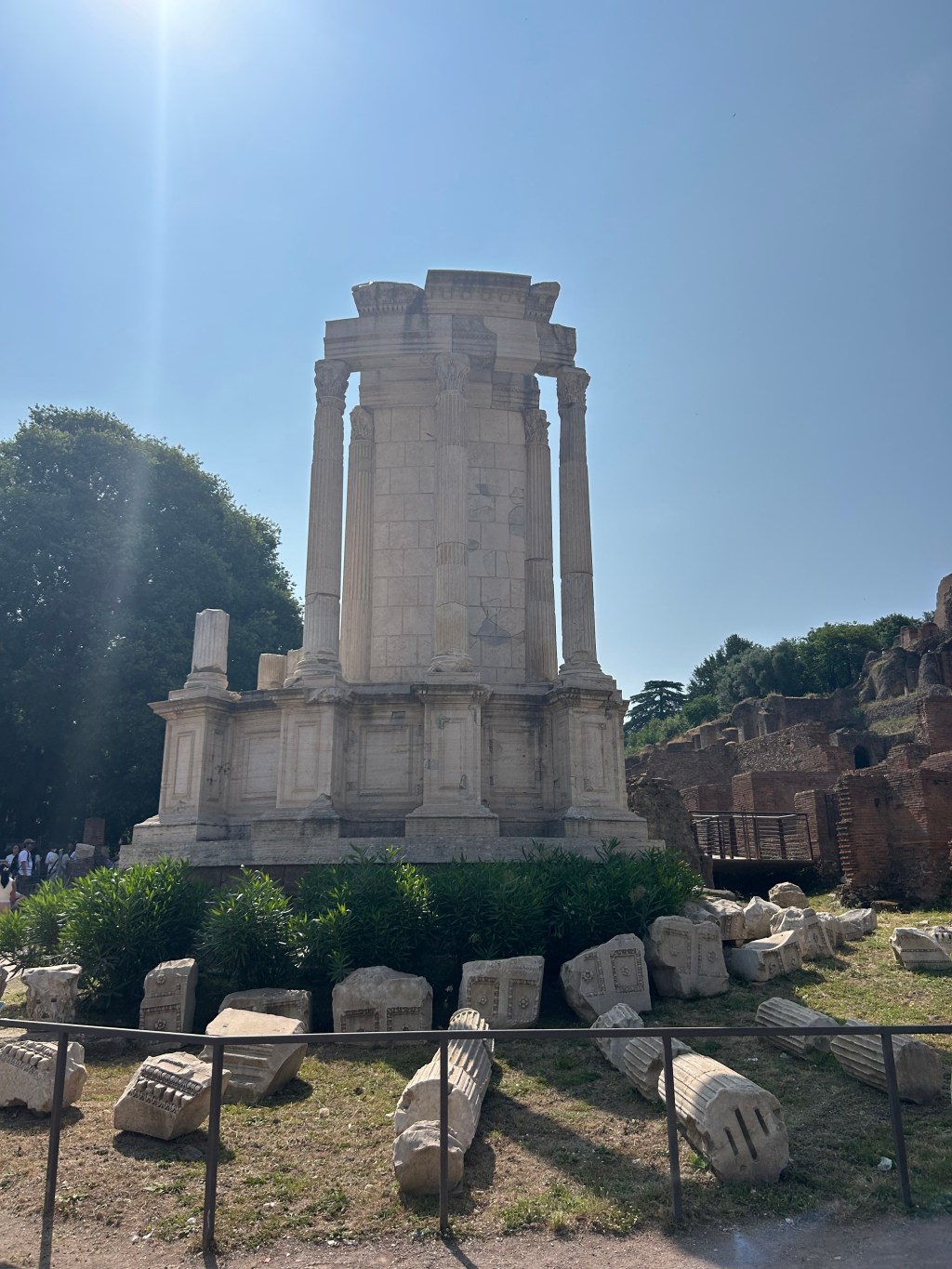
To start the word “vestal,” comes from the goddess Vesta. “Vesta was a goddess of the household hearth, a figure of great importance in early royal ritual” (Claridge, pg. 106). Vesta had her own temple where people worshipped her as well. Her temple was even placed on Roman coins, it had a “flimsy hut-like structure” (Claridge, pg. 106) and it contained other symbols like dragon heads and a conical roof on her temple. However, interestingly enough, there are no statue of Vesta in her own temple. Instead, there was a fire that was upkept and never let out. The upkeeing of this eternal fire was done by the Vestal Virgins, “the handmaidens of Vesta” (Claridge, pg. 106). The ashes of the fire were thrown out into the Tiber river on June 15th of every year. The Romans were deeply superstitious and believed that if the flame ever went out, the city was doomed to destruction.
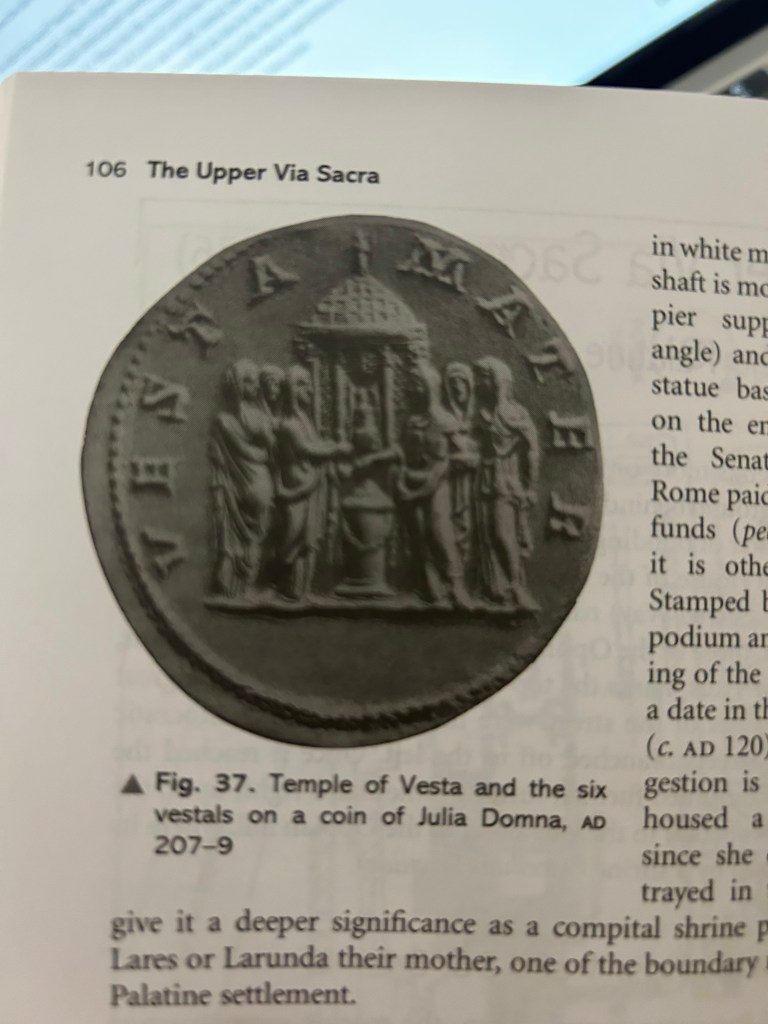


The vestals themselves lived somewhat similarly to how nuns do. They lived in “convent-like conditions in a house nearby” (Claridge, pg. 106) all together. However, this changed after a big fire in AD 64, and after that their new accommodation was revamped and they moved to a bigger establishment. There were only six vestals at any one time and they were always appointed by the chief priest (pontifex maximus). It was crucial that the vestals remained as virgins and were pure because they needed to be sacrificed to save the state in times of “extreme crisis” (Claridge, pg. 106).


To be eligible to become a vestal virgin there are some strict guidelines. First, only girls between the ages of six and ten with both parents living are eligible. In addition, the girls can be from families of freed slaves or of patrician (the ruling class) or plebeian (common people). The girls had to be legally given to the chief priest (pontifex maximus) and have to serve for at least 30 years as a virgin. In addition, Aicher writes about how the first 10 years are spent learning responsibilities, the next 10 years are spent performing rites, and the last 10 years are spent teaching duties to others. After the 30 year deadline they are free to go and marry. However, if they break their vow of chastity or were just accused of breaking their vow during the 30 years of priestesshood they have to be buried alive outside the Colline Gate (Claridge, pg. 107). When the 30 years are over, they may give up their priestesshood, however, most do not take this option and serve the goddess until the end, as those who did have regretted their choice due to the hard adjustment (Aicher).
The vestal duties include, but are not limited to: staying as a virgin, tending the sacred fire, guarding sacred objects, and making salt cakes to sprinkle at sacrifices, rituals, and public games. However, in return of doing these duties they had an “elaborately circumcised life that in some areas also allowed them freedoms no other woman in Rome enjoyed” (Aicher, pg. 129). One is that if anyone tries to injure them, they will be put to death. They are also given property by the emperor to own. When they leave their property they are accompanied by a lictor (an officer) and they are given right of way. They can also drive their own carriages (which is usually a privilege only given to the empress) (Claridge, pg. 107).

However, there are also some pretty harsh punishments for the vestal virgins. Minor infractions are punished by beating the vestals with a stick. If a virgin is being unchaste it is punishable by a shameful and gruesome death. They would be carried out in a funeral procession, put in a tomb and buried alive by the Colline gate, and dressed in funeral clothing. However, they are not given any other funeral rites. The reason why they had to be buried alive is because it was not allowed to spill the blood of a Vestal Virgin. In addition, if the flame they are supposed to upkeep is extinguished, which means destruction of the city, the vestal in charge gets whipped/beat.

An example of the strict guidelines for vestals is one from Postumia. Postumia was a vestal virgin who was accused of incest, but the priests found no evidence for it. However, she was looked down upon and criticized for being “too smart” and having too much “wit” (Claridge, pg. 106). She was told to stop making jokes and to be more holy and not try too hard in her appearance and dress. Another example by Aicher on page 133, talks about Vestal Minucia. Her servant accused her of being unchaste, and she was told to abstain from her duties, and then she was convicted and buried alive 😦
CITATION CHICAGO
Aicher, Peter J. Rome alive: A source-guide to the ancient city. vol. 1 guidebooks Peter J. Aicher. Wauconda, Ill: Bolchazy-Carducci, 2004.
Claridge, Amanda, Judith Toms, and Tony Cubberley. Rome: An oxford archaeological guide. Oxford: Oxford University Press, 2010.
 Rome via Brooklyn
Leave a comment