
1,126 words, 6 minutes
Ancient Roman Hierarchies and the Technicalities of Sacrifice
The religious ritual of animal sacrifice served as a tool of social cohesion and communicating authority to the people of ancient Rome, as a central component of the religion. One of the most important aspects of animal sacrifice was the animal’s ‘willingness’ (whether superficially or not) to die. This necessity created much difficulty for ancient Romans, as their favored animal for sacrifice was the bull, an animal of substantial weight and force. The ancient bull could weigh up to 1,000 kg (over 2,000 lbs), and it is significant to note that the ancient Roman cattle were more feral as compared to today. And so, navigating a way to execute the ritual in the ways the ancient Romans desired was a challenge. This had to be done without force, meaning that the animal could not be dragged, and if the animal looked frightened during the prayers or anointing, this could invalidate the ritual.
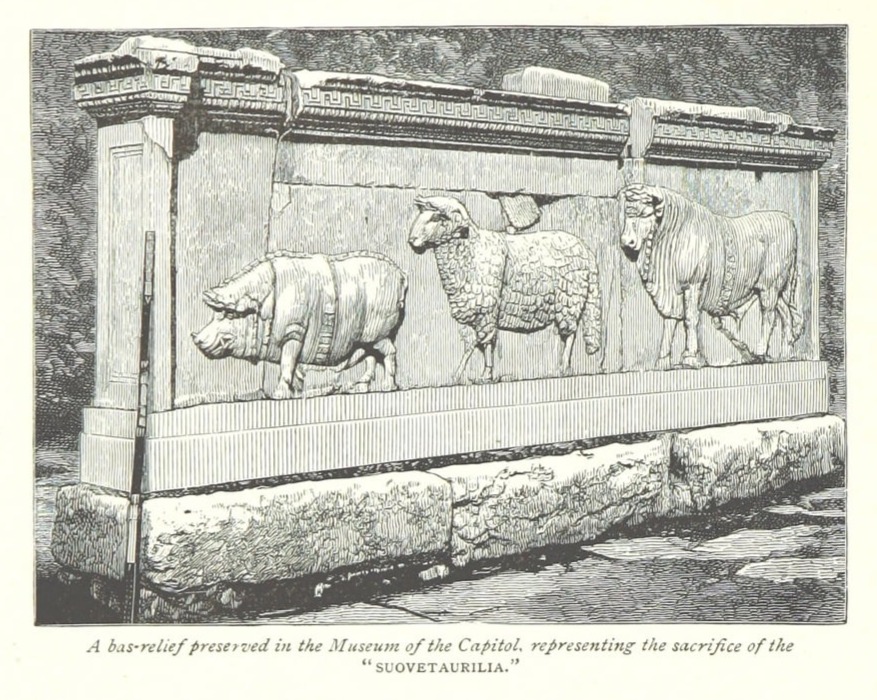
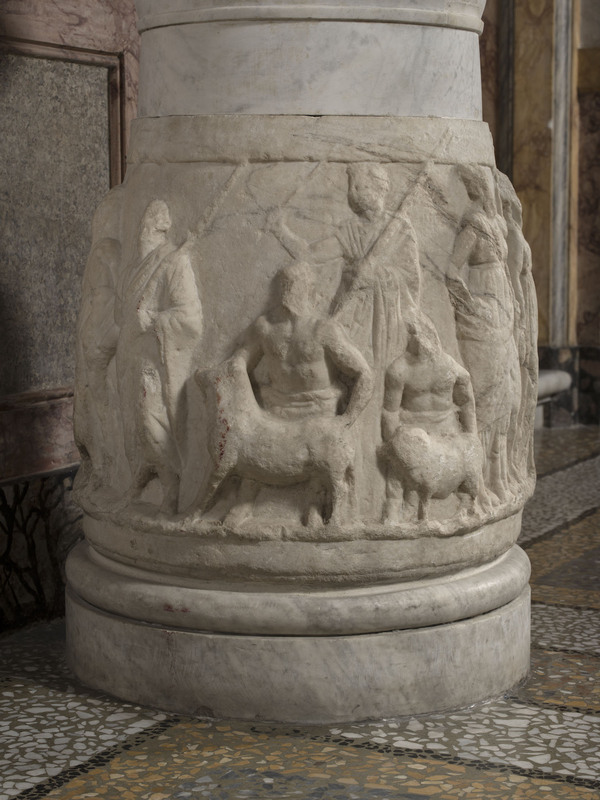
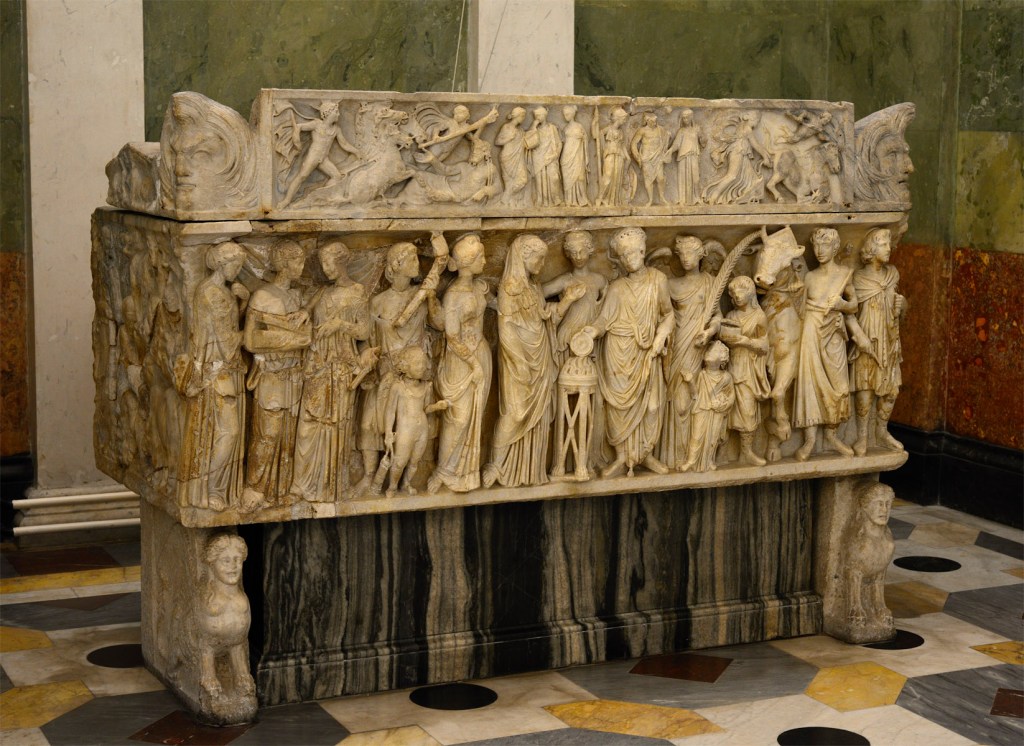
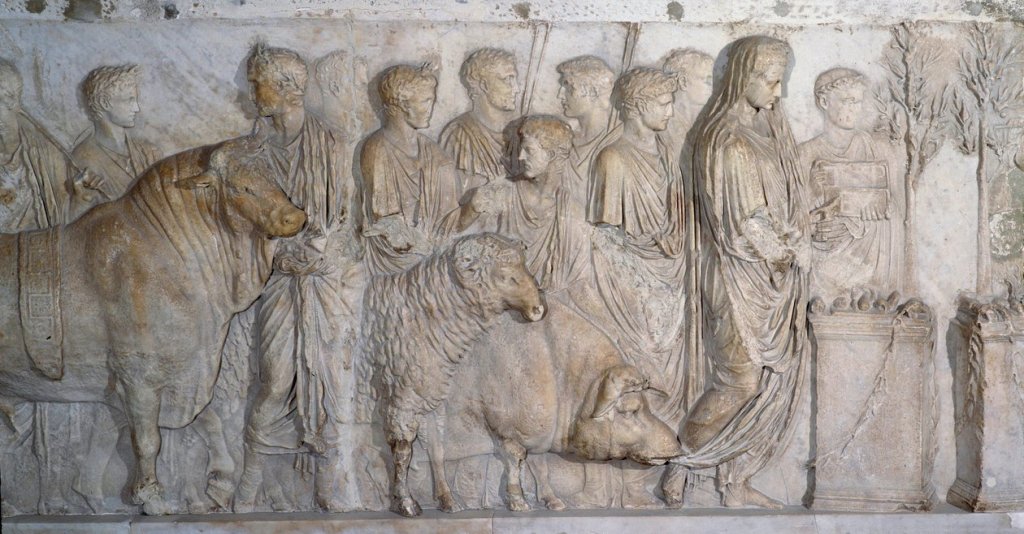
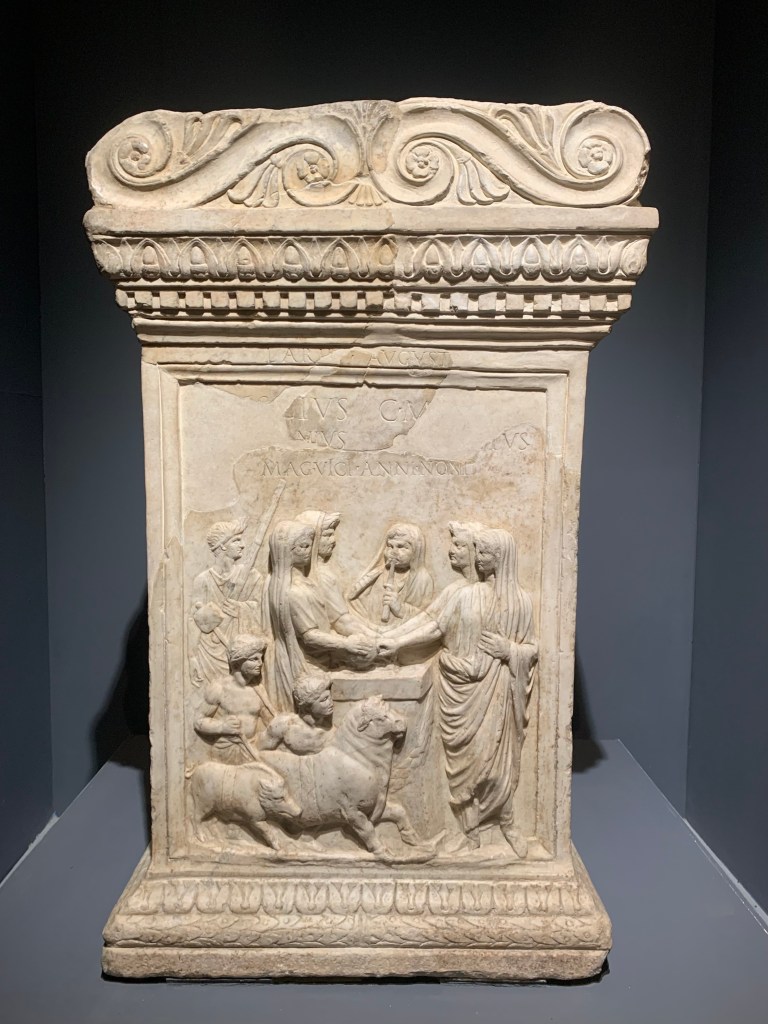
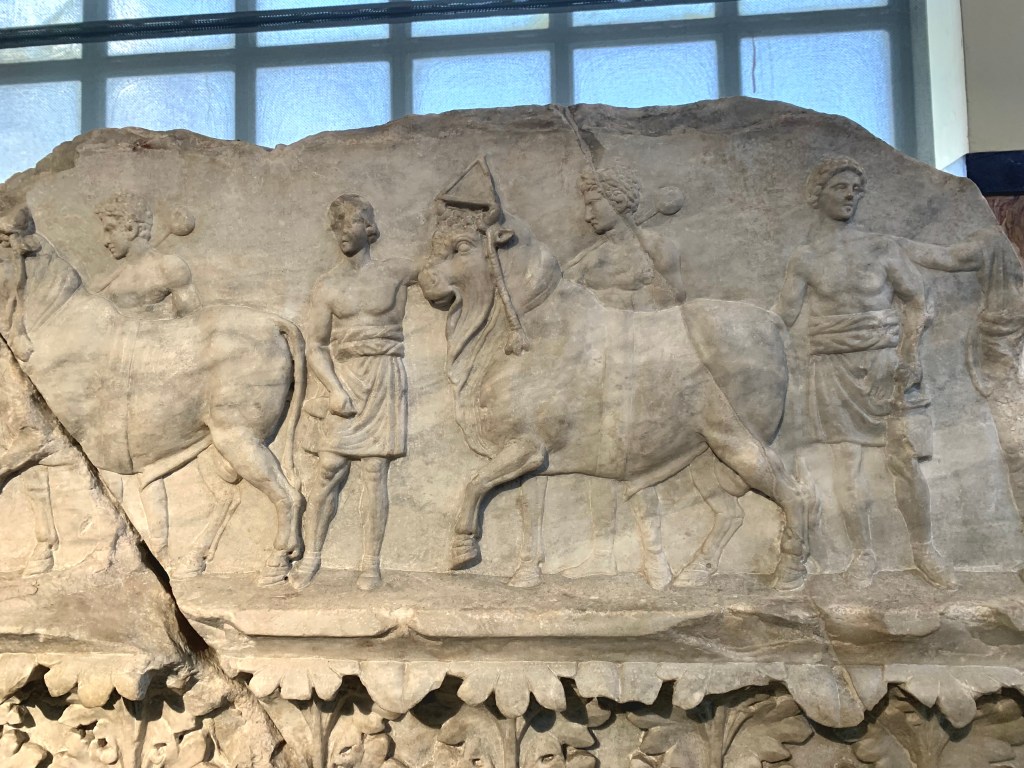
The invalidation of a ritual meant it would be required to be repeated or there be some kind of atonement or reparation for the failed ritual. Even more so, the animals were not constrained while at the altar- instead, one to two handlers would hold the animal’s head, given that if the animal was bound, this would also invalidate the ritual. Lastly, if the animal did not bleed enough during its slaying, this was also another element that could negate the sacrifice. There are around 5 dozen surviving sculptural depictions of ancient Roman sacrifice, many of which both feature the use of the hammer and axe in ritual. It is speculated that hammers were used on smaller cattle, whereas axes were used on bigger cattle, such as bovines. The sculptures differ in subject matter, with many depicting either sacrificial processions or the moment of sacrifice.
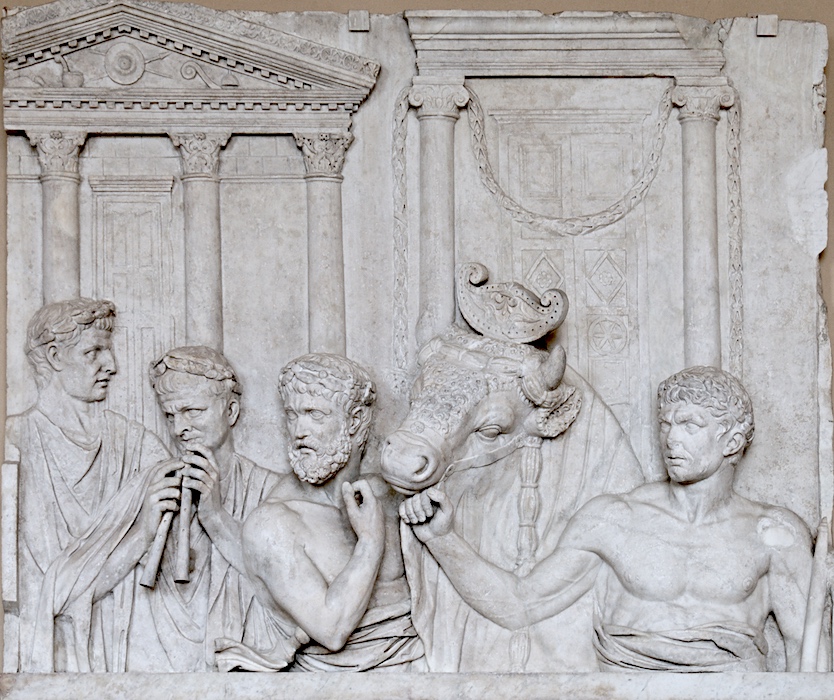
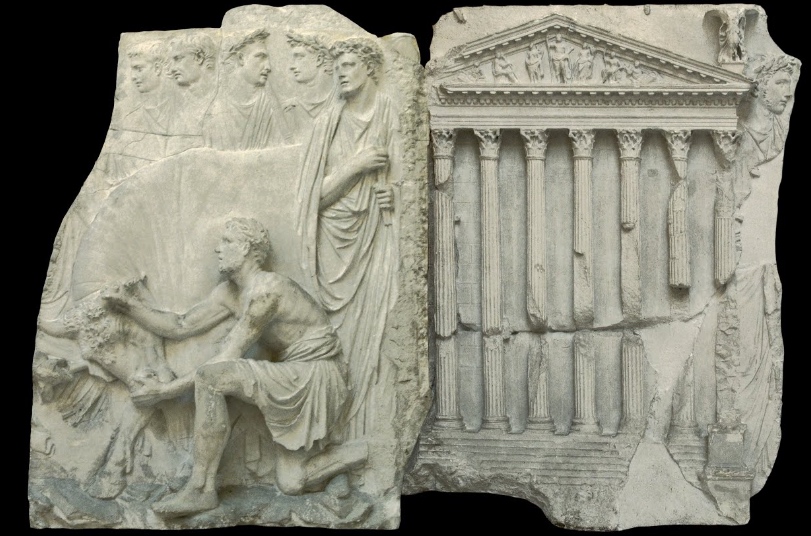
There is also distinction and order in the actors performing the rituals, reflective of the social hierarchies of ancient Rome. The ones doing the actual ritual maiming were either slaves or low-status individuals, either the popae, victimarii, or cultrarii. The Roman aristocratic magistrates were the ones presiding over the sacrifice, enacting and orchestrating the ritual, chanting incantations and presenting bits of blood and flesh at the altar. This dynamic also served a practical reason: the separation between the laborers and the nobility ensured that the priests kept their togas clean, untainted from the bloody process that was ancient animal sacrifice.
For the bull to give the illusion of willingness in their martyrdom, the animal needed to be very quickly and swiftly rendered insensible and immobile through the method of severing its spinal column. Immediately after, its throat was slit, bledding the animal to death. The tool used to enact this process for bulls in the ancient Roman world was the axe. Animals naturally try to flee or jerk away if they experience pain, so the technique of hitting the spine proved to be a quick, efficient method to achieve the effect of the bull’s eagerness in the ritual. This can be depicted in various ancient Roman sculptures, as the popa is presented holding the axe and the cultrarius holds the bulls head down and to the side, making it easier anatomically for the popa to strike accurately. So, the practice of ancient Roman sacrifice was both strenuous, complex, and overarchingly performative- it was both a showcase of power and greatness, and a charade, one that required a great amount of precision and skill.
Origins, Procedures, and the Mola Salsa
The root name for the Roman religious practice of animal sacrifice is sacrum facere, which means to be rendered sacred. Sacrum means anything that is for or rather belongs to the Gods; the animal sacrifice ritual is the ultimate trade of ownership to the gods. During the beginnings of the Christianization of the Roman Empire, Christians dissociated themselves from the use of sacrifice, stating that the blood of Jesus was considered pure.
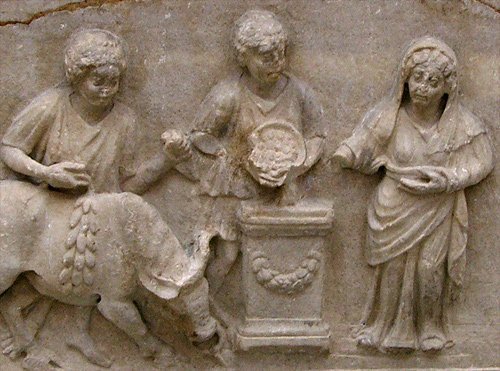
The animal sacrifice ritual began with a procession, followed by a praefatio, a preliminary offering of prayers, wine, and incense. Then the animal will be sprinkled with salt and spelt, which the Romans called mola salsa. The sprinkling of the mixture of the mola salsa is meant to resemble the transference of ownership from the mortal realm to the spiritual. The mola salsa also displays consent from the animal because they do not flinch once it is applied. Then the animal is slaughtered, and the remains are inspected, followed by a banquet or meal.
The most common art depicting animal sacrifice is that which shows what happens before applying the mola salsa. According to Celia E. Shultz in Roman Sacrifice, Inside and Out, it’s less common to have art that actually depicts the killing of the animal. Scholars also follow the vein of thought that since the Greeks did not care for the actual killing of the animal in the sacrifice, the Romans followed suit as they were notorious for echoing Greek traditions and customs.
The Romans sacrificed a large range of items such as vegetables, humans, animals, wine, etc. Romans from lower social classes who couldn’t afford to give edible offerings gave inedible offerings instead. While excavating, archaeologists found hundreds of small fickle vessels throughout Italy. Some scholars say that they are votives; however, the article suggests that miniature animals such as cows, birds, and other animals were substitutes for live animals during sacrifice.

Bibliography
Aldrete, Gregory S. “Hammers, Axes, Bulls, and Blood: Some Practical Aspects of Roman Animal Sacrifice.” Journal of Roman Studies 104 (2014): 28–50. https://doi.org/10.1017/S0075435814000033.
Becker, Jeffrey A. “Preparations for a Sacrifice,” in Smarthistory, August 14, 2016, accessed June 16, 2025, https://smarthistory.org/preparations-for-a-sacrifice/.
Schultz, Celia E. “Roman Sacrifice, Inside and Out.” Journal of Roman Studies 106 (2016): 58–76. https://doi.org/10.1017/S0075435816000319.
 Rome via Brooklyn
Leave a comment