
Solo Presentation – 974 words, 5 minutes read time.
Who Was Elagabalus?

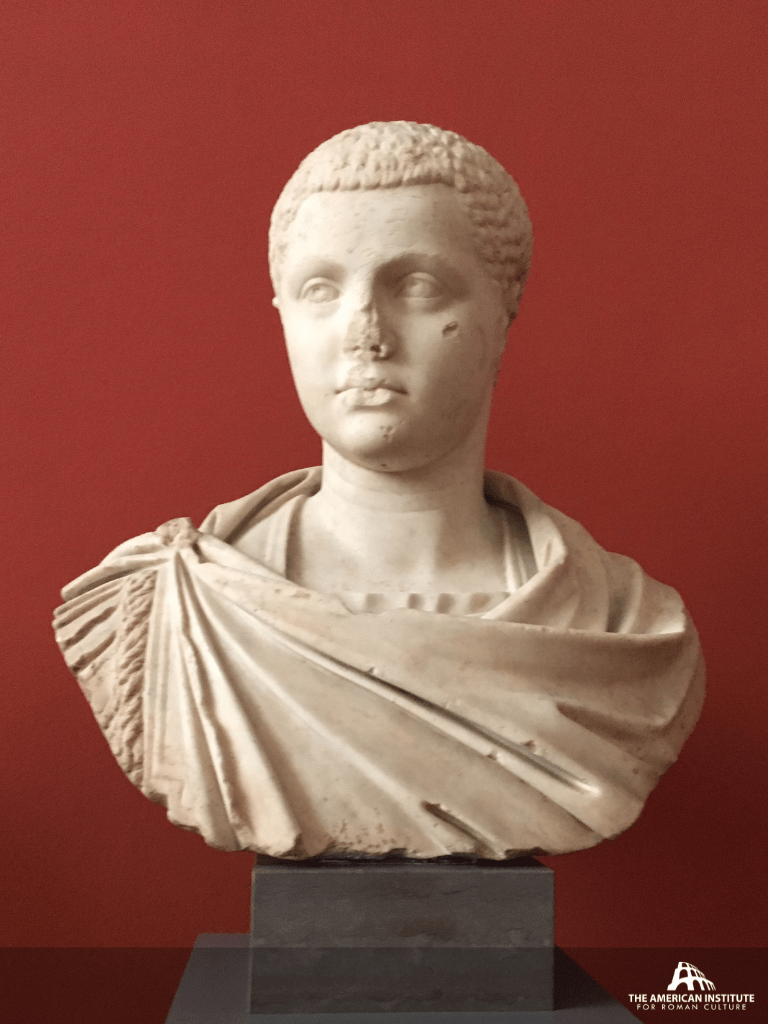
Elagabalus, born Varius Avitus Bassianus, but also referred to as Marcus Aurelius Antoninus, Heliogabalus, and more, was born around 203 CE in Syria and served as the emperor of Rome from 218 CE to 222 CE.
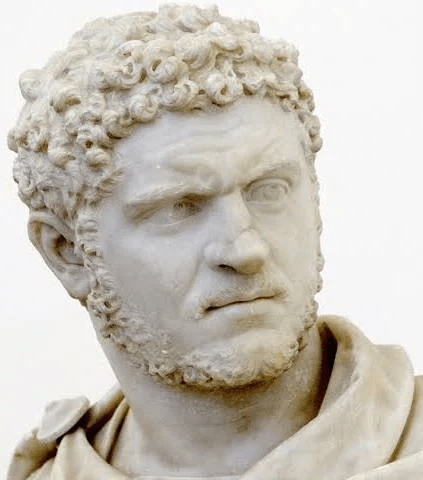
Preceding his rule was that of Caracalla (Marcus Aurelius Antoninus Caesar), who was killed and succeeded by Macrinus for a short amount of time, before he was removed in favor of the teenaged “son” of Caracalla, Elagabalus. Elagabalus’ rule ended with his death, and his cousin/adopted son Severus Alexander took his place.
The Rule of Elagabalus (by Cassius Dio and Historia Augusta*)
Elagabalus was widely disliked for his “unconventional” behavior:
- Threw wild parties with exotic and weird animals and food
- Allegedly suffocated his dinner guests to death with a huge amount of rose petals
- Even sometimes credited with the invention of the whoopie cushion, which he pranked guests with
He was also widely disliked for his “sexual depravity” and (what we now assume) queer identity. While this word wasn’t explicitly used, texts define him as “cinaedus,” which means “effeminate men who enjoy being penetrated,” which completely went against Roman concepts of manliness and manhood:
- Elagabalus had a preference for well endowed male partners
- Wanted to be referred to as “lady” and other feminine pronouns
- Would wear wigs and other feminine clothing, and would prostitute himself
- Took a “submissive” role in his relationship with his enslaved husband Hierocles (and the many other partners he was with)
- Kept himself hairless
- Sought a vaginoplasty
These “facts” have caused historians, those who study queer theory, and even the North Hertfordshire Museum to refer to Elagabalus with the female pronouns of she and her.
The Rule Over Elagabalus
How much of this information is true? How can we trust the sources from which all of our information about Elagabalus comes from?
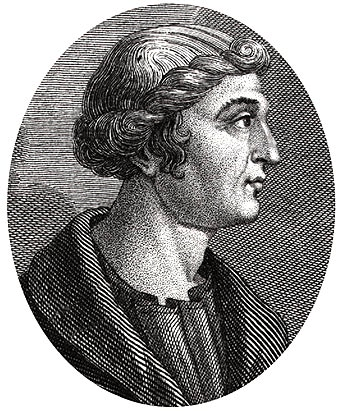
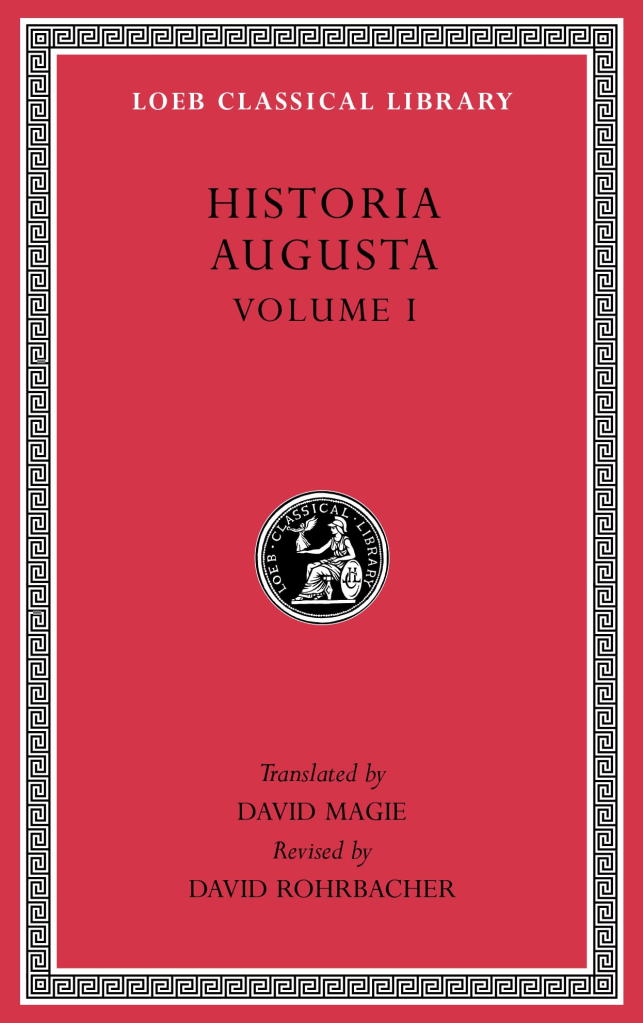
Essentially all of what we know about Elagabalus comes from third century historian Cassius Dio, and the Historia Augusta, which is a Roman collection of biographies of Roman emperors from around 117 to 284 CE; They both describe Elagabalus very similarly: an effeminate, Eastern cultist and religious fanatic who was sexually deviant and outwardly disrespected the gender norms and expectations of the Romans, specifically Roman men of power like he was.
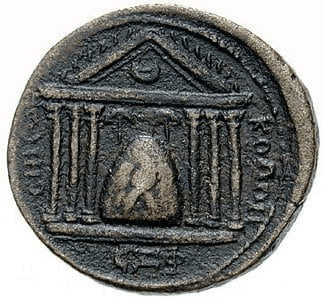

Another important reason for the hate Elagabalus received was because of his Syrian background and “barbaric” religious practices. Elagabalus came from a long line of high priests who worshipped the god Baal in Emessa, ancient Syria. He was worshipped through the cult to a baetyl, or a sacred stone, known as Elah-Gabal, from which was born the name Elagabalus.

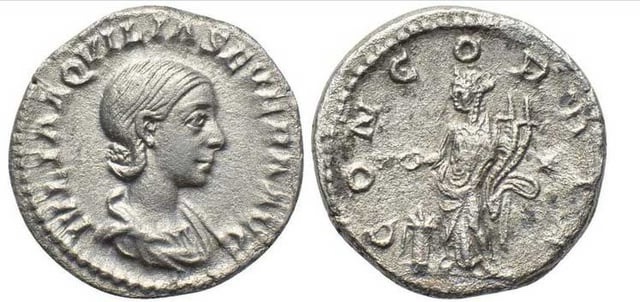
One of the major first offenses of Elagabalus’ reign was his marriage to the Vestal Virgin Aquilia Severa. He declared this to be a sacred wedding (very similar to a wedding Baal had) which would bring about godlike children and ascend both himself and Severa to high priest/priestess status.
Fueled mainly by negative stereotypes of Syrian men (who were not as “manly” as Roman men) and the odd religious practices which clashed religious Roman society, there was little serious justification for hating Elagabalus and replacing him with another emperor. What better way to make way for a new, hopefully more obedient emperor which will follow the Roman social order, than to invalidate and corrupt the legacy of the previous one?
The “Queer Icon” Elagabalus
This “evidence” from which people have made Elagabalus into a “queer icon” to many are the same pieces of evidence that were used to destroy his character and legitimacy as an emperor, and improve the credibility of the emperor coming after him, Severus Alexander.
We can now understand the writings of Dio and the information written about Elagabalus in Historia Augusta as forms of propaganda, meant to paint Elagabalus in a negative light and gain power over the narrative.
Evidence of Elagabalus’ queer identity beyond what has been contemporarily analyzed from slanderous texts is unfortunately fickle.


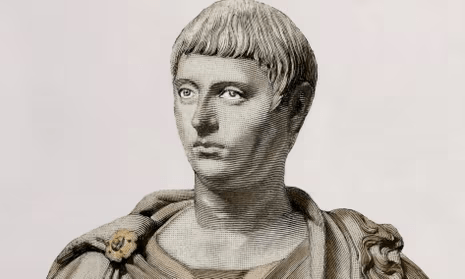
On the coins made of Elagabalus during his rule, the back shows a baetyl on a chariot, paying homage to Baal, with the front depicts Elagabalus represented as a male priest. The few depictions of Elagabalus that remain show him with facial hair, despite claims that he remained hairless. From what evidence we have left, it seems he wanted to be represented as male.
What do we know?
To put a long presentation short, the answer is: I don’t know. We have no way of telling if Elagabalus was truly queer or not. These modern day speculations of the sexual identity of an ancient emperor, while interesting and hopeful in a way, also obscures a lot of what we know and don’t know about Elagabalus. In these modern queer analyses, we much also take into account the ways his ethnic and religious background impacted the narrative of Elagabalus.
Khadija Fall ❤
References
“Historia Augusta • Life of Elagabalus (Part 2 of 2).” 1924. Sir Thomas Browne. 1924. https://penelope.uchicago.edu/thayer/e/roman/texts/historia_augusta/elagabalus/2*.html.
“Historia Augusta • Life of Elagabalus (Part 1 of 2).” 1924. Sir Thomas Browne. 1924. https://penelope.uchicago.edu/Thayer/E/Roman/Texts/Historia_Augusta/Elagabalus/1*.html.
“Cassius Dio — Epitome of Book 80.” 1927. Sir Thomas Browne. 1927. https://penelope.uchicago.edu/Thayer/e/roman/texts/cassius_dio/80%2A.html.
Rufo, Yasmin. 2023. “Museum Reclassifies Roman Emperor as Trans Woman.” BBC News. November 21, 2023. https://www.bbc.com/news/entertainment-arts-67484645.
Addley, Esther. 2023. “Was Roman Emperor Elagabalus Really Trans – and Does It Really Matter? | Transgender | The Guardian.” The Guardian. The Guardian. November 24, 2023. https://www.theguardian.com/society/2023/nov/24/was-roman-emperor-elagabalus-really-trans-and-does-it-really-matter.
“Elagabalus.” n.d. Encyclopædia Britannica. Encyclopædia Britannica. Accessed June 20, 2025. https://www.britannica.com/biography/Elagabalus.
Burgher, Elijah. “Our Lady of the Latrines: Notes on the Elagabalus Egregore.” Religious Studies Review 49, no. 4 (2023): 541–46. https://doi.org/10.1111/rsr.16880.
Nugent, Mark. “From ‘Filthy Catamite’ to ‘Queer Icon’: Elagabalus and the Politics of Sexuality (1960–1975).” Helios (Lubbock) 35, no. 2 (2008): 171–96. https://doi.org/10.1353/hel.0.0009.
Haselswerdt, Ella, Sara H. Lindheim, Kirk Ormand, and Zachary Herz. 2023. The Routledge Handbook of Classics and Queer Theory.
 Rome via Brooklyn
Leave a comment