Ordinary Lives
An Excursion to Ostia
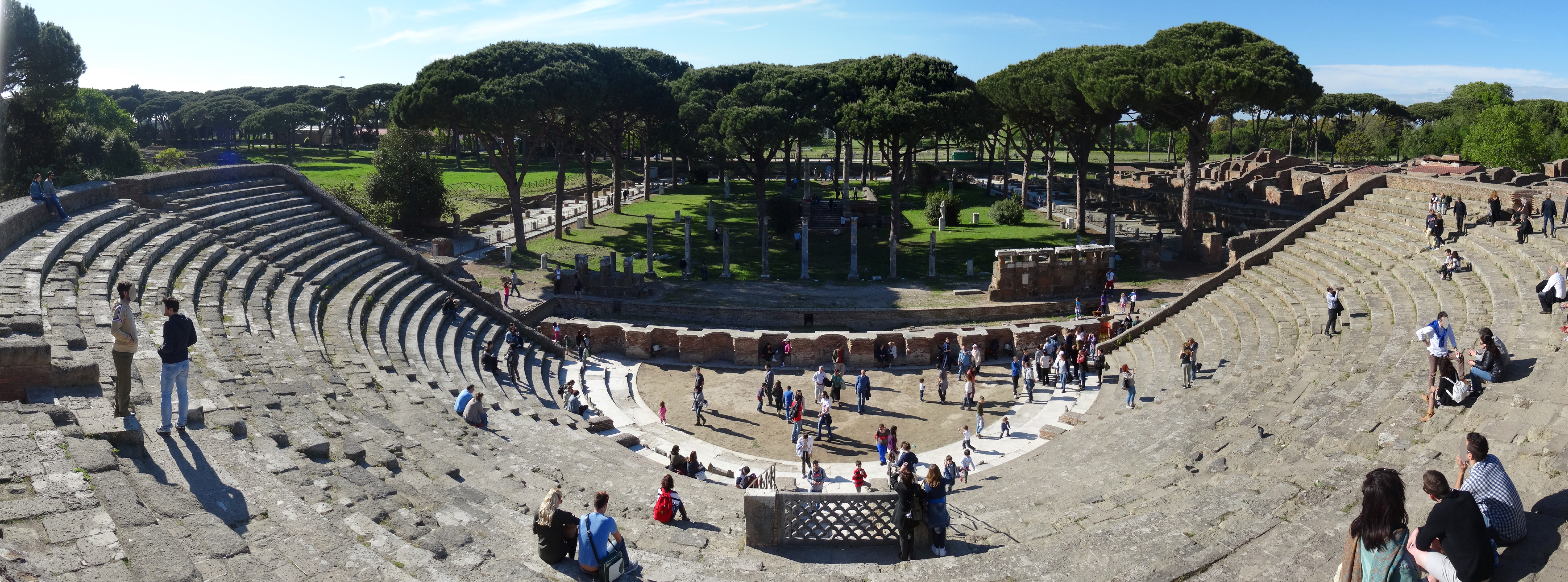
The Tiber was the lifeblood of the city and connected Rome to the rest of the world. Ostia was the port-city at the mouth of the river. It can be easier to imagine life in ancient Rome in places that have not had continuous occupation. The image below is fresco painting showing a harbor scene found at Stabiae on the Bay of Naples and dating to the early first century CE.

Readings
Supplemental Material (TBD)
Presentation Topics
(a) What inspired Egyptomania in Rome?
(b) What was animal sacrifice really like?
Logistics
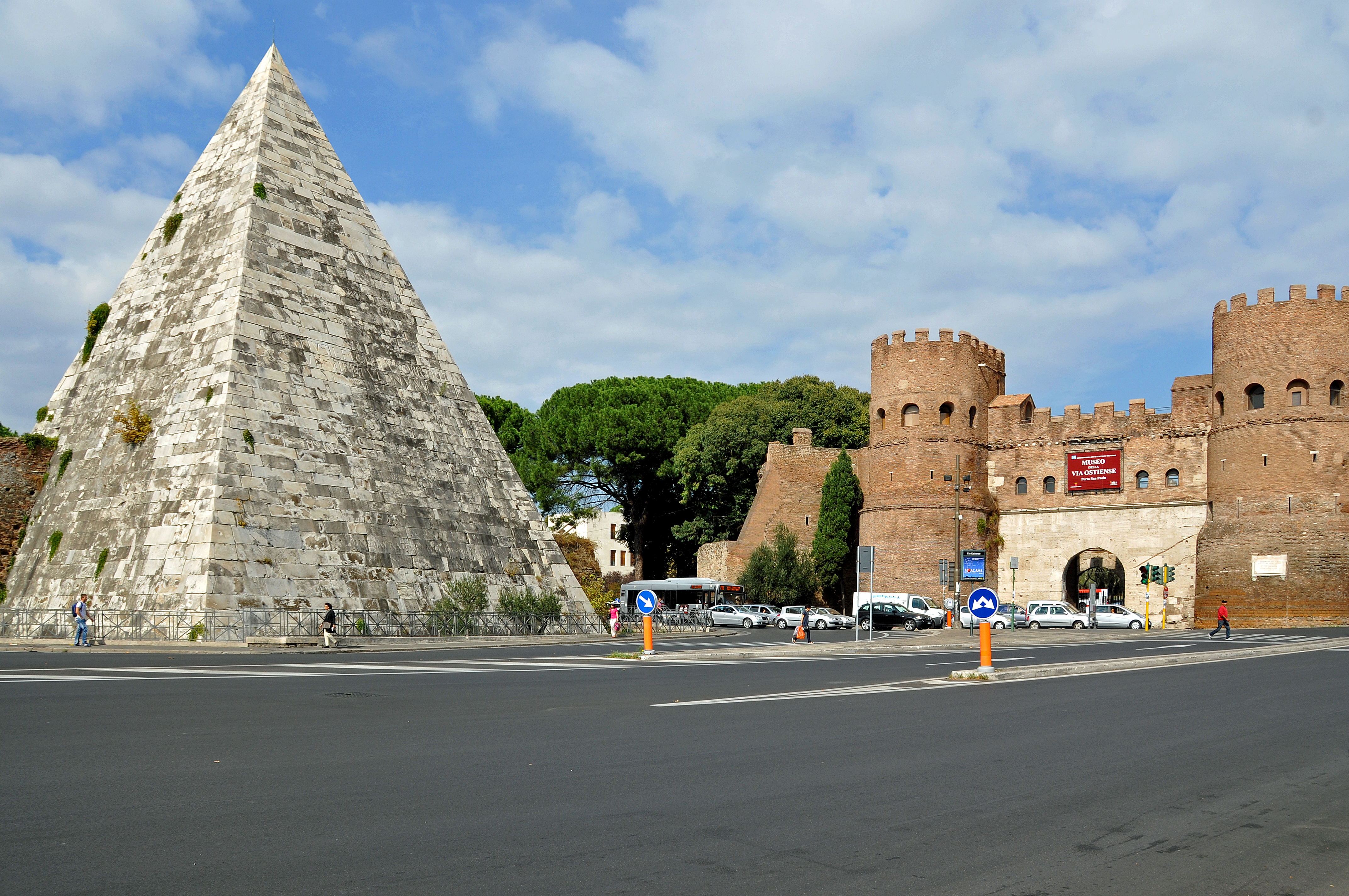
We meet outside the Pyramid of Cestius and have one student presentation before catching the train to Ostia. Today it is essential you pack a lunch and sunscreen and water. How will you entertain yourself on the train ride? Perhaps work on your blog posts?
The meta-goal of today is to get comfortable with riding regional rail before your optional weekend excursions.
THemes
How did apartment blocks work? Why was occupation so important in funerary commemoration? What themes are most common in the mosaics? Where can we see traces of urban infrastructure? Why what Ostia so important to Rome?
Blog Prompt
How is it different to experience this type of archaeology from what we’ve done in Rome? How do we explain that difference? In your imagination where would you prefer to live and why? Where do you imagine yourself fitting in to the social hierarchies and why?
If you’re behind or want to get ahead, you may write a double blog post for today just be sure you label it as such and write minimum 600 words and include 4 photos.
Gallery


 Rome via Brooklyn