Severus, NoT SnaPe
Circus Maximus, Septizodium, Museum of the Forma Urbis
It’s the penultimate day. Hang in there. Today we call out bad histories. Some modern historians of the third century CE, especially those invested in ideas of ‘racial purity’ and/or ‘Christian triumph’ like to tell stories of the ‘fall of Rome’ or its ‘decay’, attributing this to moral corruption or an ‘invasion’ of foreign elements. Yet the Severan dynasty, founded by an African general and a Syrian princess, was one of the most successful and powerful the Empire ever saw. Art and culture flourished in this period, with a particular emphasis on athleticism and competition.
Readings
Claridge: pp. 158-160, 172-173, 299-301; Alive! no. 128.
Solo Presentation Topics
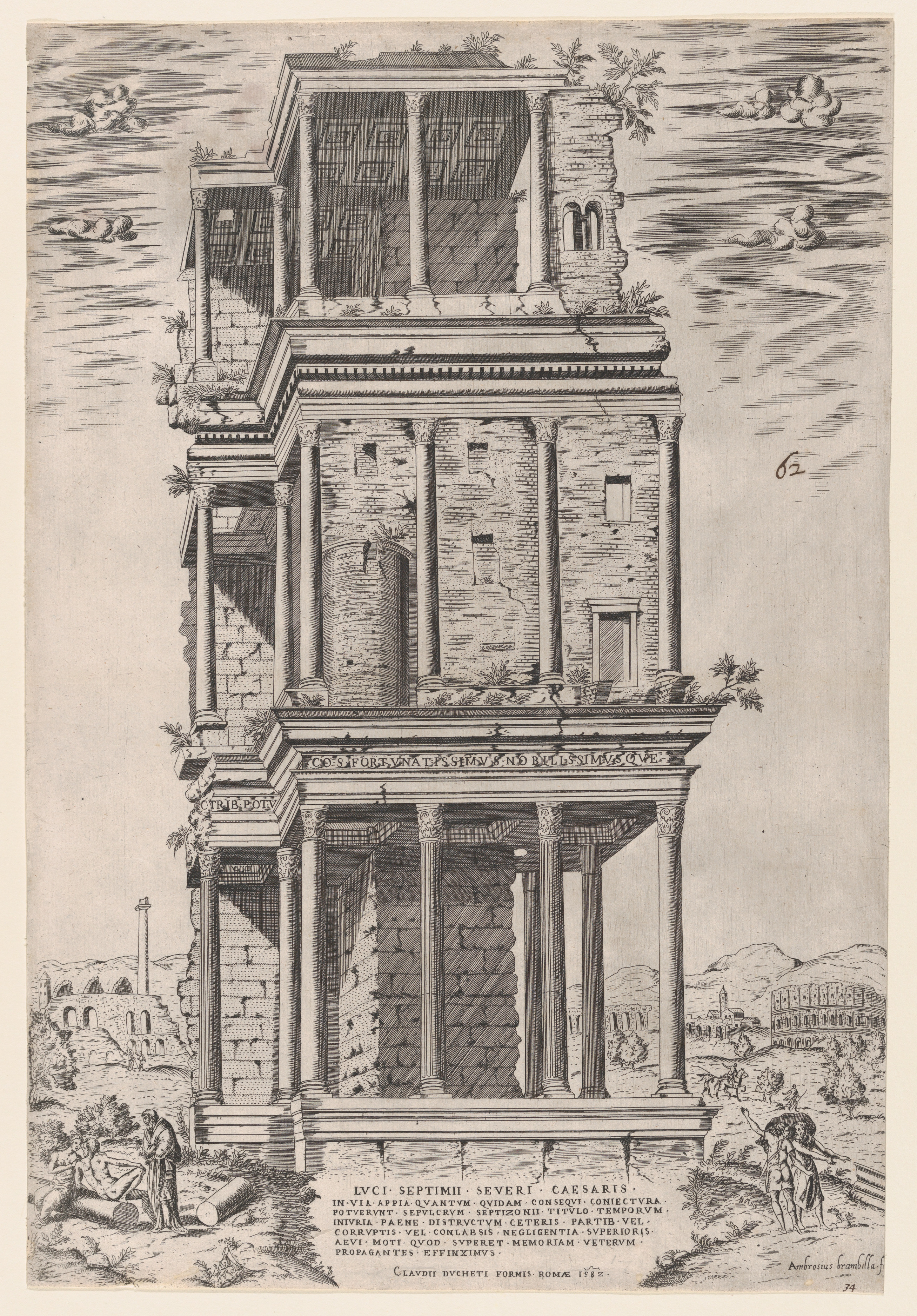
(a) What was the Septizodium and does it connect to Severus’ African heritage?
(b) How did Severus use spectacle to consolidate his rule, including but not exclusively, discuss his Ludi Saeculares?
(c) Was Elagabalus “queer”? How does his ethnic and religious identity insect with modern discussions of his sexuality?
Logistics
Most of today is open air in public spaces, but we will end our time together in the Museum of the Forma Urbis.
THemes
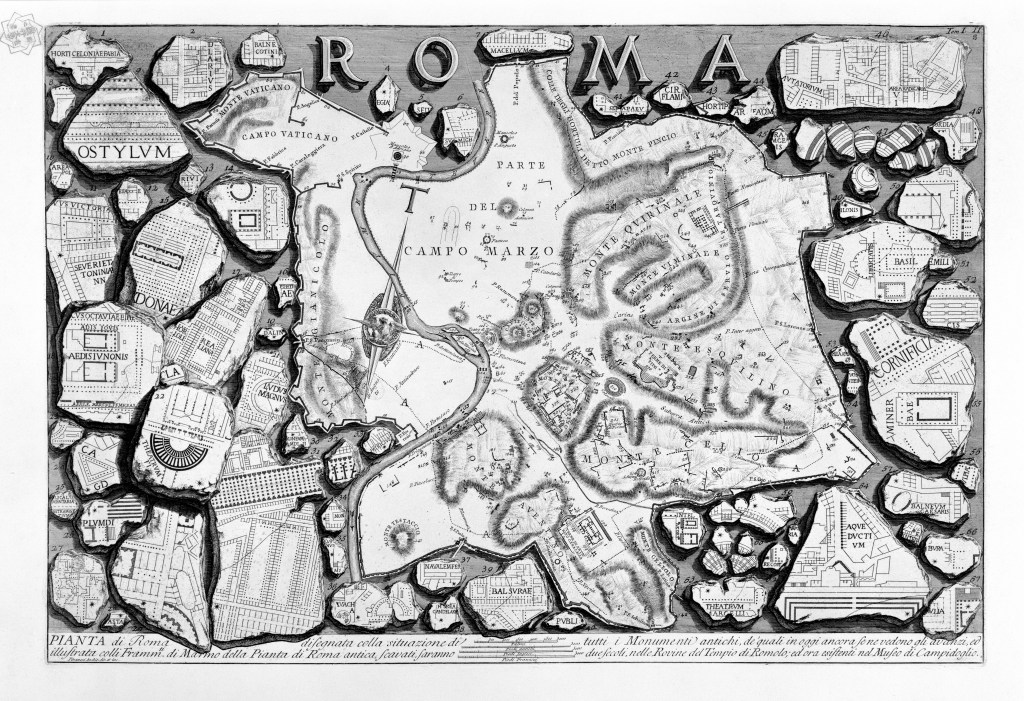
How is a map a monument? Can we connect this with other displays of knowledge (fasti, res gestae)? What is innovative about Severan interventions in the city and what follows traditional patterns?
Blog Prompt
Juxtapose a photo of a site you saw in real life and a photo you yourself took of its position on the Marble Plan of Rome. Try to pick something less common. Look up a reconstruction. (Maybe even one made in a video game like MineCraft?). Write and reflect on the different ways of “seeing” a site and its surrounding context. What are the pros and cons for each. Remember to include a quote from an ancient text that somehow relates.
Gallery



 Rome via Brooklyn