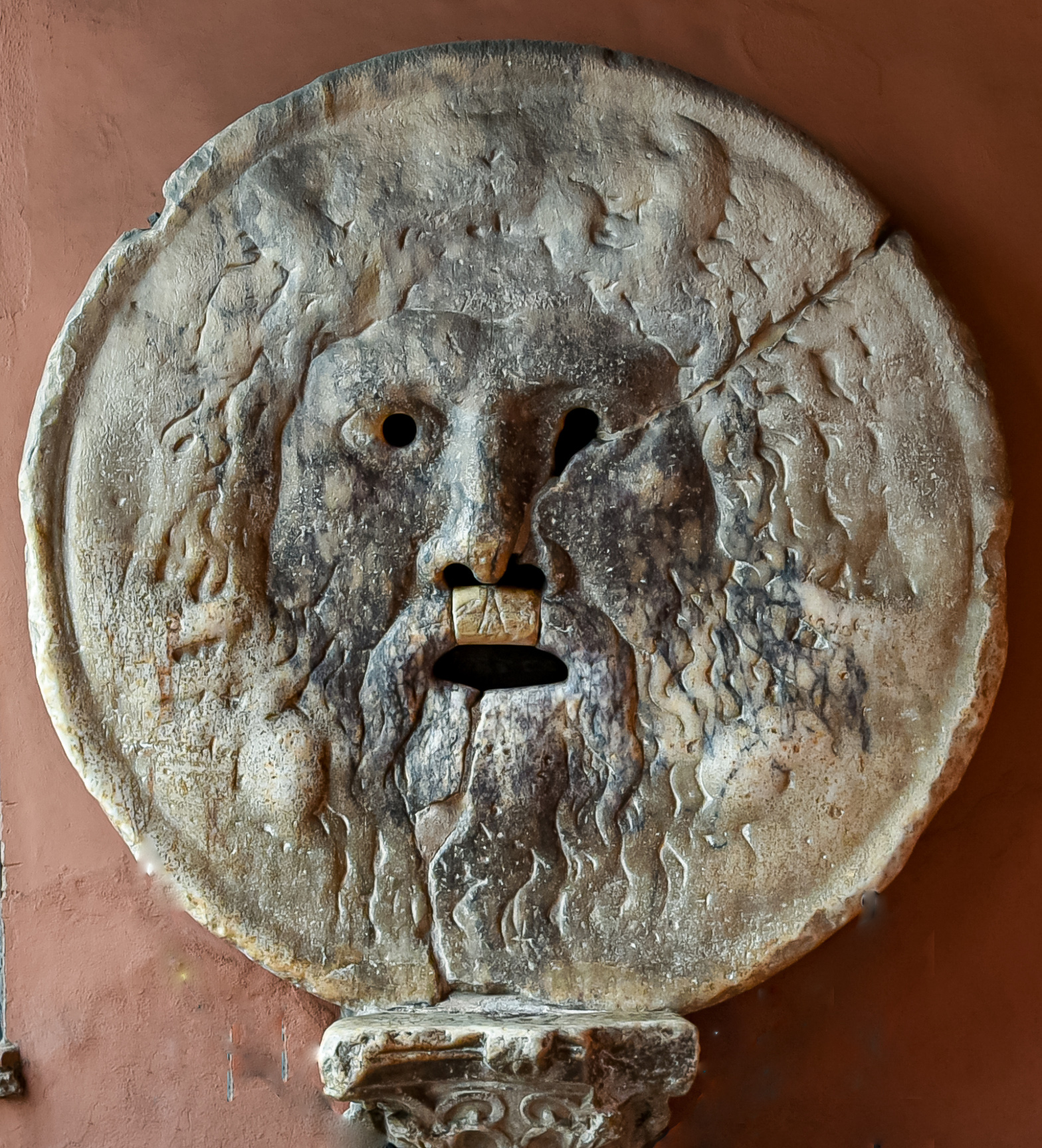
A Desert Called Peace
Augustus’ Dynastic Messaging
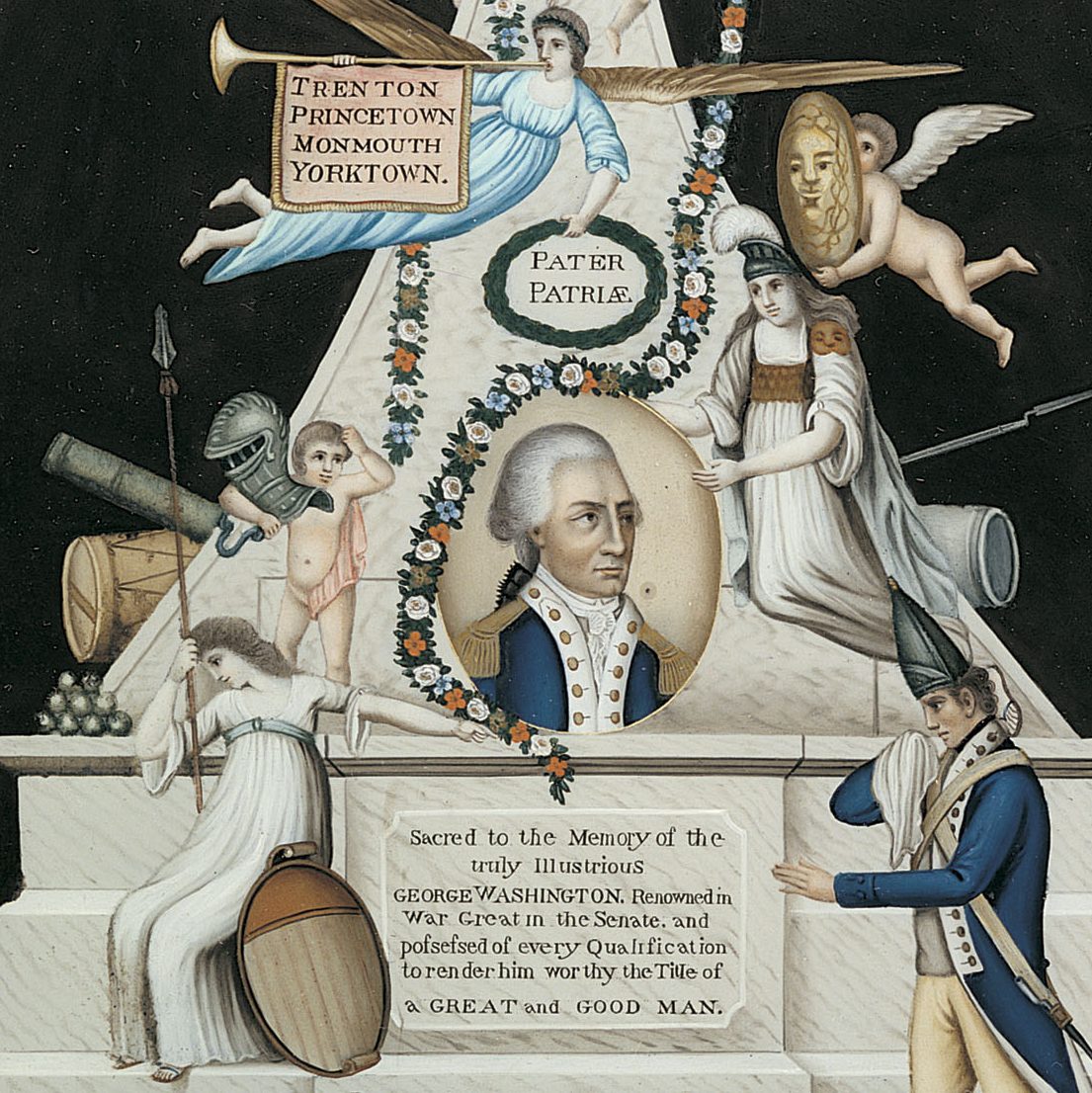
After Julius Caesar’s adopted son (biological great nephew) defeated Antony and Cleopatra, he had a problem–how remain in power and establish a hereditary monarchy without getting stabbed like Julius Caesar. His main strategy was to craft his identity as a father figure and restorer of traditional religion, someone who ensured tranquility by being in right relationship with the gods themselves. To this end he invested heavily in monumental and highly symbolic building projects. He embraced the title Pater Patriae, “Father of the Fatherland”, thus inspiring many later uses of the same title, like George Washington, as seen in this memorial painting below.
“There are no tribes beyond us, nothing indeed but waves and rocks, and the yet more terrible Romans, from whose oppression escape is vainly sought by obedience and submission. Robbers of the world, having by their universal plunder exhausted the land, they rifle the deep. If the enemy be rich, they are rapacious; if he be poor, they lust for dominion; neither the east nor the west has been able to satisfy them. Alone among men they covet with equal eagerness poverty and riches. To robbery, slaughter, plunder, they give the lying name of empire; they make a desert and call it peace.”
Fictive Speech of British rebel leader Calgacus to his troops, composed by Roman Senator and Historian Tacitus for his “Agricola“
Readings
Alive! nos. 94-96; Claridge, pages 197-214 and also the historical overview section on Augustus and Augustus’ own Res Gestae
Paired Presentation Topics
(a) How did the Ara Pacis fit into Mussolini’s plan?
(b) Compare and contrast conflicting reconstructions of what the Mausoleum of Augustus originally looked like?
(c) How did ancient sundials work? What were some other means of telling time in ancient Rome?
Logistics
We meet meet on the step of the Ara Pacis, tour the museum before hearing presentations (a) and (b) outside, and then strolling down to the Obelisk of Montecitorio for presentation (c). We will finish well before lunch.
THemes
What is the rhetoric of decline and how does it empower claims to “restoration”? What is truly traditional about Augustus’ reign? What is wholly unique? What socio-political messages are conveyed by these Monuments?
Blog Prompt
Reflect today on the modern conditions of viewing antiquities. Consider talking about museum design and ways in which the displays try to help you imagine what it used to be like. Consider discussing how and why different generations have chosen to change these displays and even move major objects to new places. Would you want to see these artifacts under different conditions? What is the the most satisfying way to view such antiquities?
Gallery

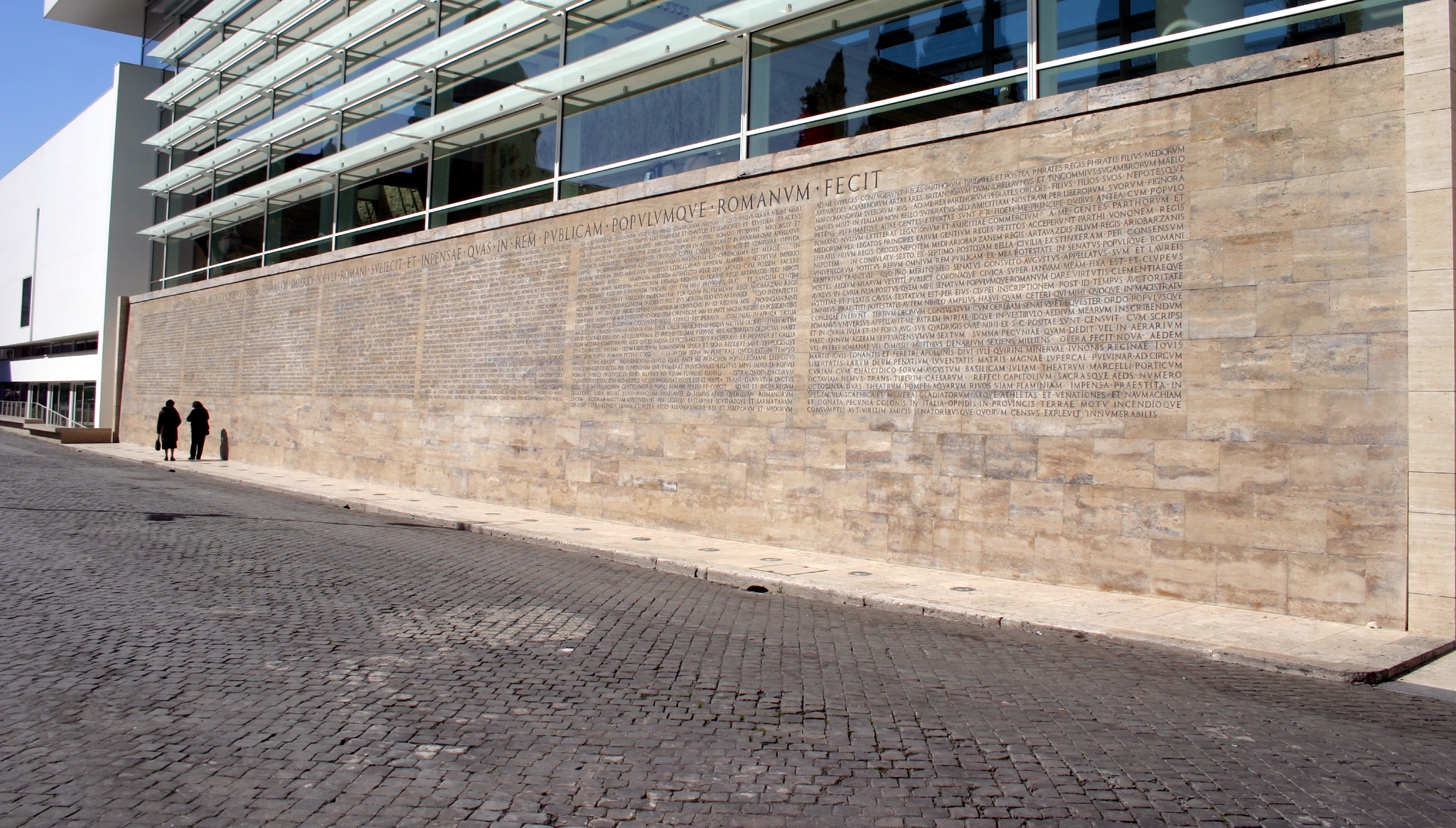


 Rome via Brooklyn