
380 words, 2 minute read
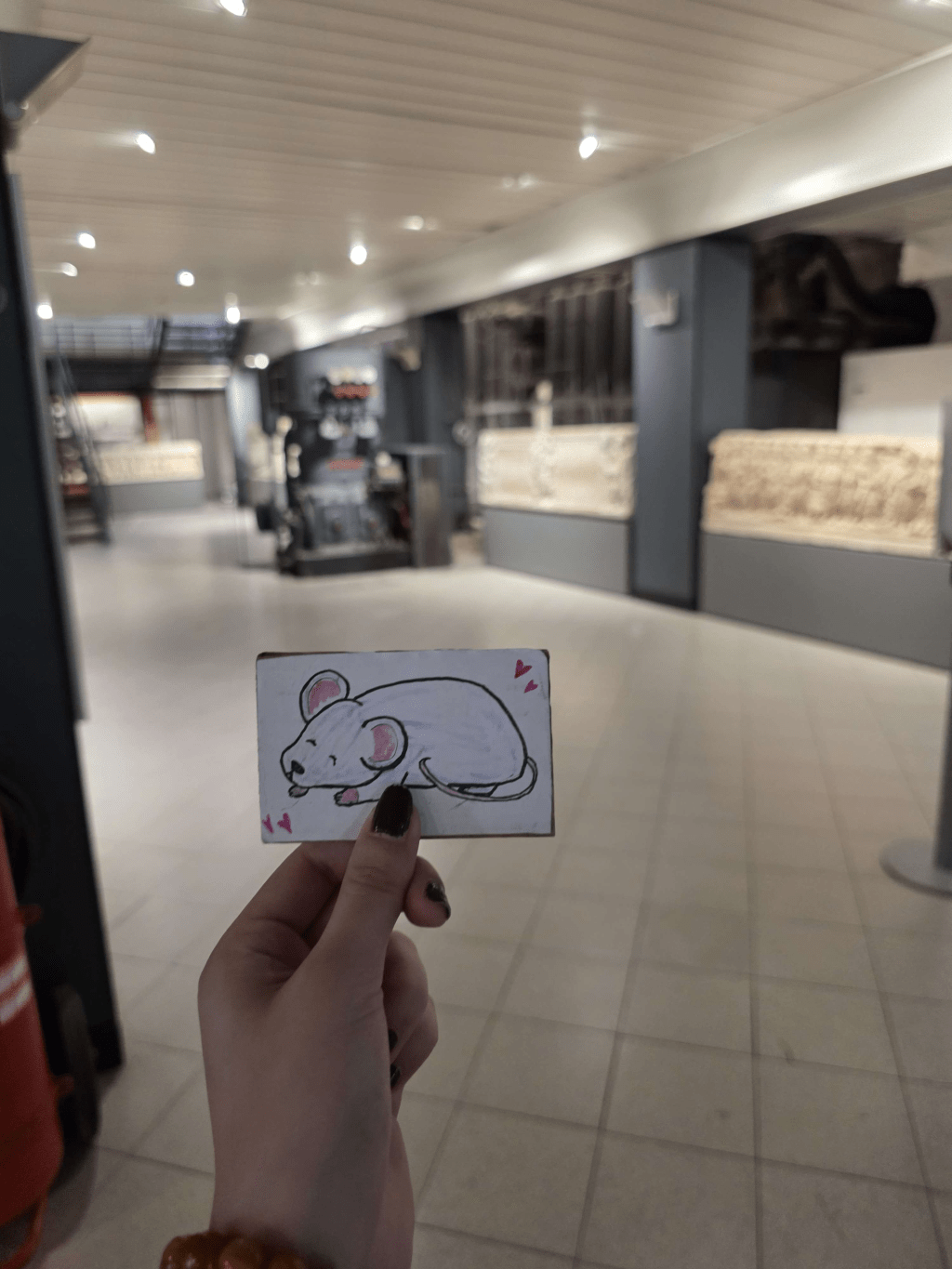
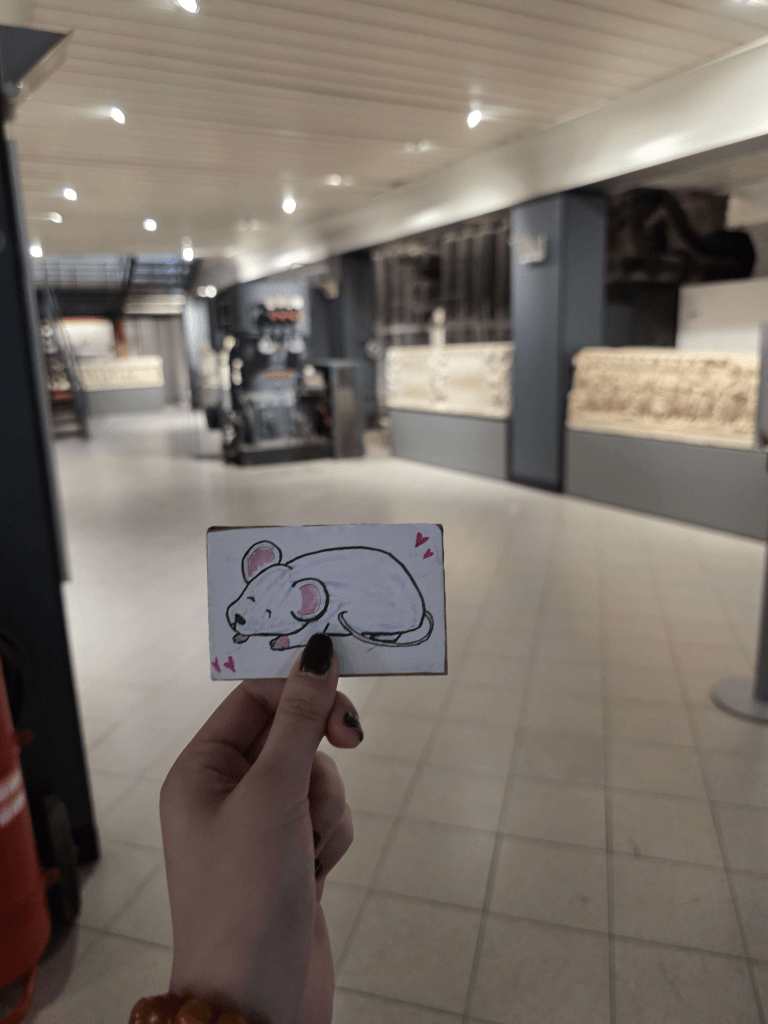
I found how the old fascist era factory was repurposed into a museum to be very fascinating. We learned that much of what we would assume to be ‘ground-level’ is actually built on top of establishments of Ancient Rome. Just as the urban city exists in tandem with buildings from antiquity in view, many of the fixtures of the factory, from its pipes to its massive engines, have been kept along with its exhibits. In this sense, the museum is not only preserving ancient Rome, but also Rome during its age of fascism. This choice is also interesting to me because of how Mussolini used ancient Roman as a face of his campaign. Displaying both the fragments of ancient Rome and the factory is a sort of reclamation and retrospection to me, paradoxically stripping the antiquity of its fascist paint by placing both worlds together and viewing them with the lenses of a modern person.
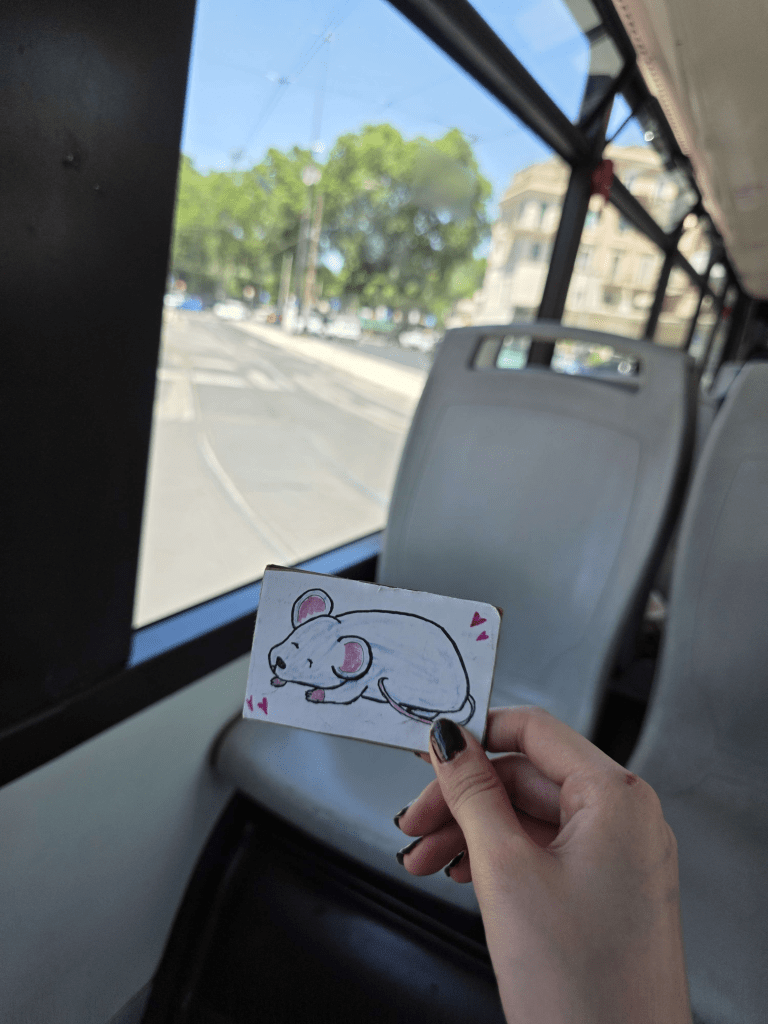
Living in Italy has been thoroughly enjoyable, and I am grateful for my instructor, peers, and the Paideia Institute for making it possible. If I were on my own without any support, my experience would be infinitely more grueling and I appreciate the effort put into making being in Italy as effortless and fun as it is. Because of this, I find it really easy to live as if I were in NYC- purchasing things and taking public transport without much anxiety. Today, I took the bus back home by myself and it went smoothly. CultureSmart! and instruction from Professor Yarrow prepared me well, and Google maps is always helpful. Lunch was also a very fun and filling affair! I was surprised by how much food we were able to order, which seemed to be the Italian norm (at least, judging by the concepts of antipasto, primi, and secundi). It was a fantastic opportunity to chat with people I haven’t had the chance to have much conversations with. Food is an important social fixture in all cultures and Italy is no exception. Sharing food and having a meal together brings the community closer and even though we were already very close-knit, I think the lunch formed even stronger bonds.
E buon compleanno, Mazzy!


 Rome via Brooklyn
Leave a reply to Tina Cancel reply