
515 words, 3 minutes read time
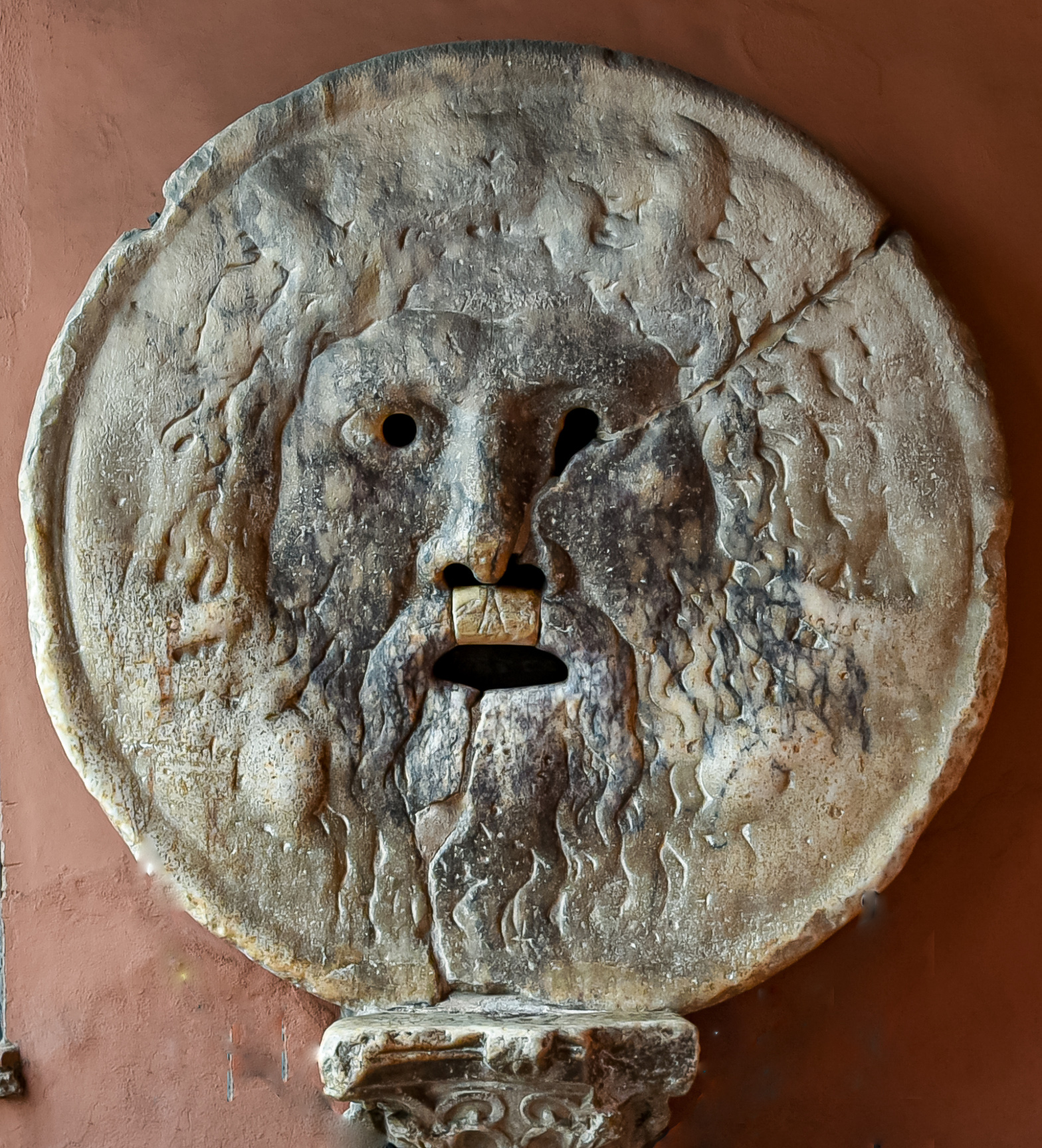
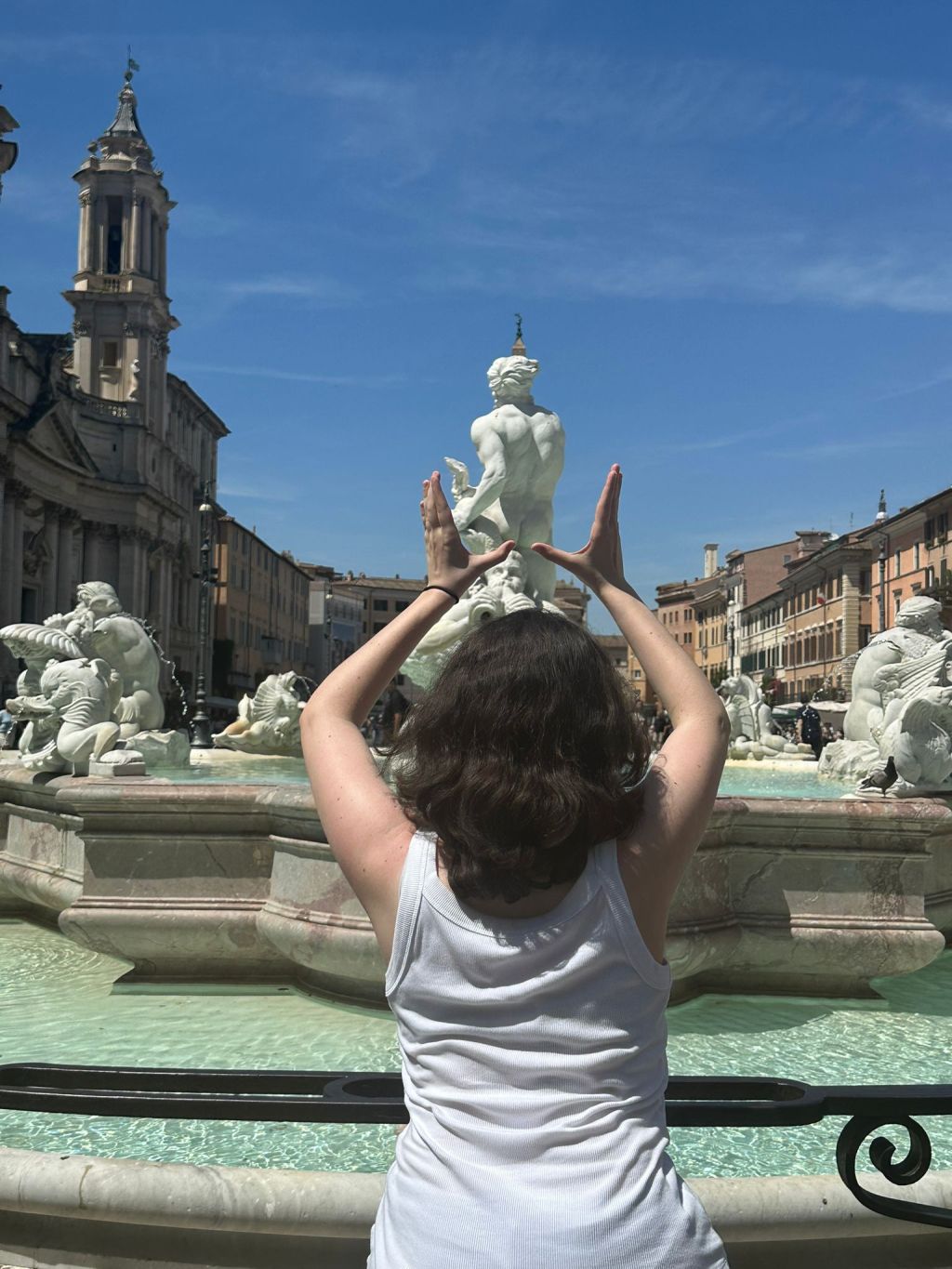
Throughout my Rome stay so far, I’ve constantly been amazed at how ruins live among modern buildings and modern life. I’m sure areas have been spruced up in preparation for the Jubilee, but I’m not confident that New Yorkers would have the same level of respect for the city they live in if it was over 2000 years old as the Romans do. Learning about the Round Temple and ‘s construction and preservation history also illustrated how the Italian people and government’s priorities shifted over time (for better or for worse), but are ultimately rooted in creating a better community. During the break between our class sites, Elena, Khadija and I went to the Torre Argentina Cat Sanctuary right outside the Torre Argentina ruins, amplifying the feeling I’ve gotten of locals loving all the inhabitants and structures of their home enough to take the efforts to care for it. We weren’t allowed to take photos or videos in the stray cat shelter, but all the cats were super cute and lovely.
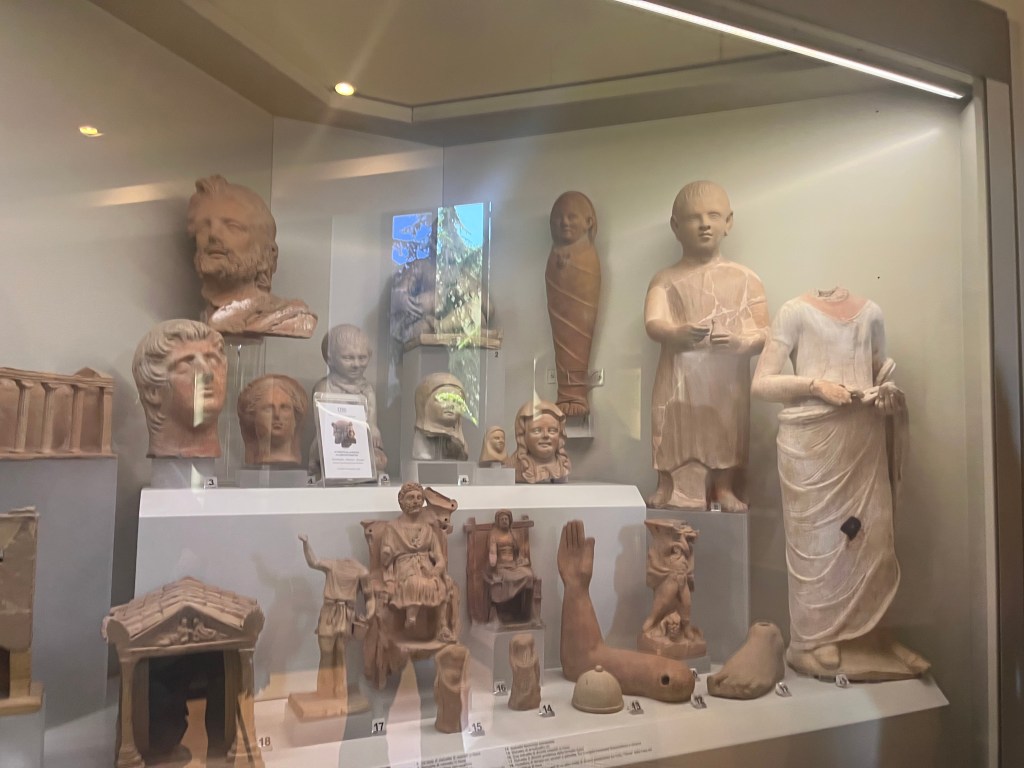
A theme I’ve noticed throughout our classes so far is the role of the individual in communal/organized religion. An example of this we saw were votives, or objects that represented one’s prayer to a deity in the form of a terracotta statue. By imagining the past in a way where we can put feelings, wishes, or passions to the people then, it can become a lot easier for us to put ourselves in an ancient Etruscan’s shoes. Along with smaller objects of individual importance, large buildings or structures of communal importance have also been preserved very well. What I believe survives is what was important to people throughout a long period of time, which is why so many temples are fully or partially standing as constant places of worship and as places for building community. As discussed in Peter J. Aicher’s Rome Alive, there were settlements in Rome’s area long before the city’s establishment, but the mythos of Rome’s origins centuries later was developed for building a historic tradition and/or representing the sociopolitical struggles felt by the region’s people before the city’s time (Aicher 11). Ancient Romans not only felt a fascination with faraway lands such as Egypt, but also a fascination with their ancestors.
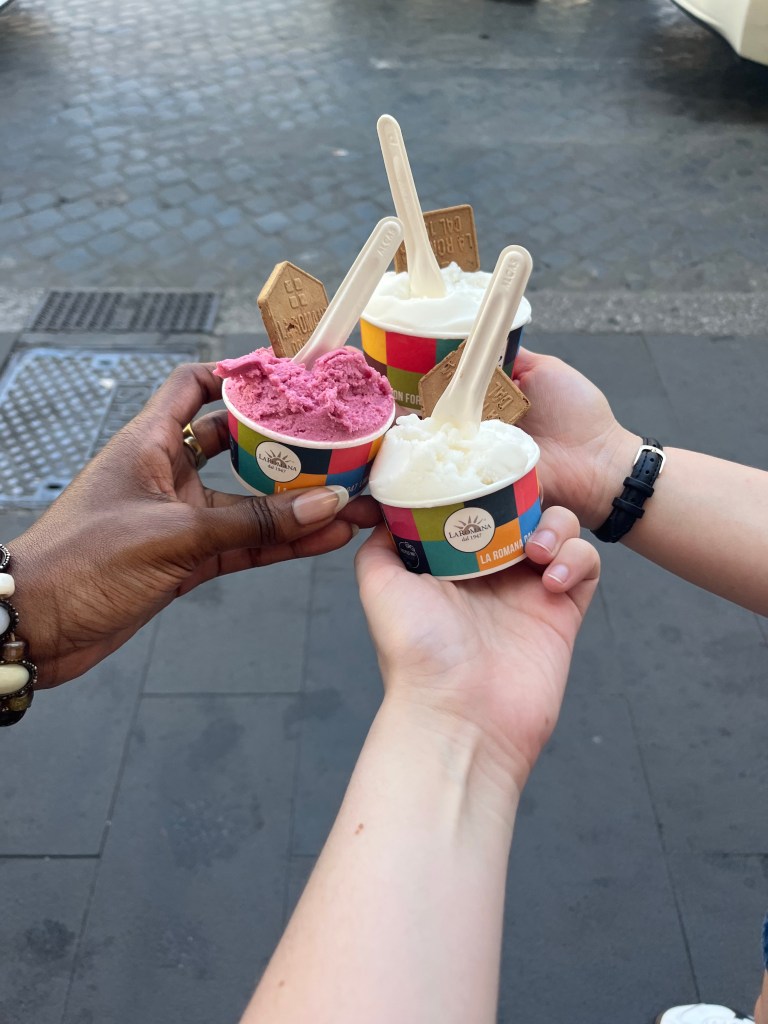
I unfortunately got a pretty bad sunburn on my shoulders that day, but I found out the day after (aka the day I’m finishing up this post) that the sunscreen I used yesterday had been expired for 4 years, so I’m guessing I grabbed the wrong one when packing. When I told Ace about this revelation (“Do you wanna know why I got sunburnt?”), their reply was “Because you’re white?” (Which is definitely a factor!) So as the Romans have cared for themselves and their community for millennia, I’m trying my best to show the same care for myself, my classmates, our apartment, and all else that makes up this trip. My first step towards this goal was buying a new bottle of sunscreen.


 Rome via Brooklyn
Leave a reply to moussatonicisse Cancel reply