
What inspired Egyptomania in ancient Rome?
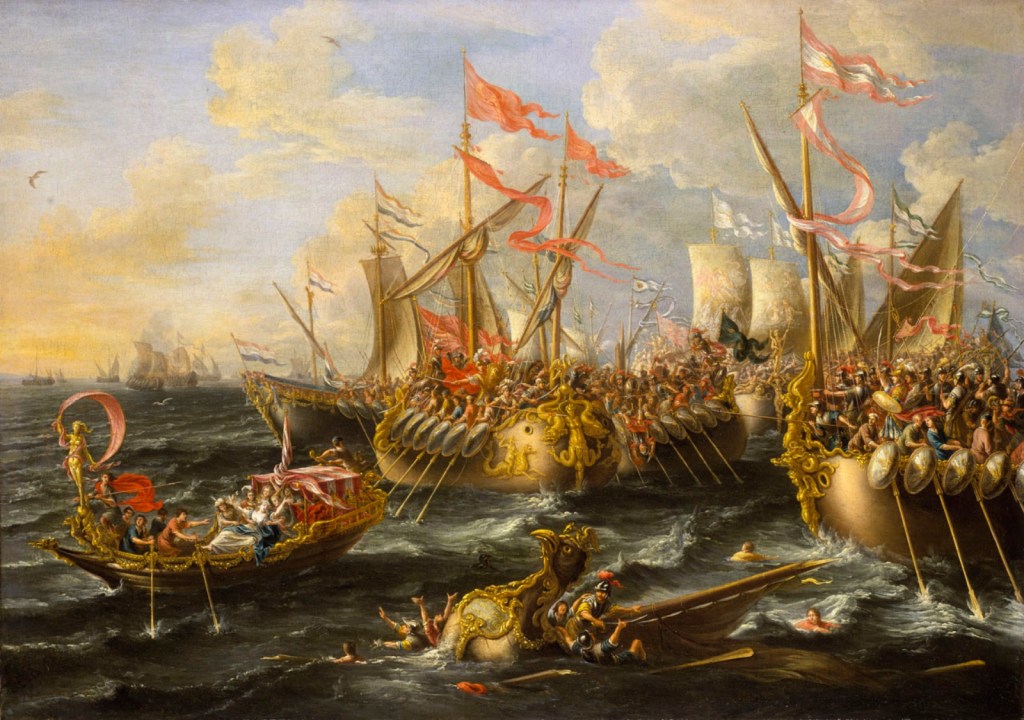
To understand this, we need to go back to 31 BCE, when Augustus (Octavian) defeated Cleopatra and Mark Antony at the Battle of Actium. This victory marked the end of the Ptolemaic Kingdom and transformed Egypt into a Roman province. Egypt became the personal possession of the emperor, an exotic jewel in Rome’s expanding empire.
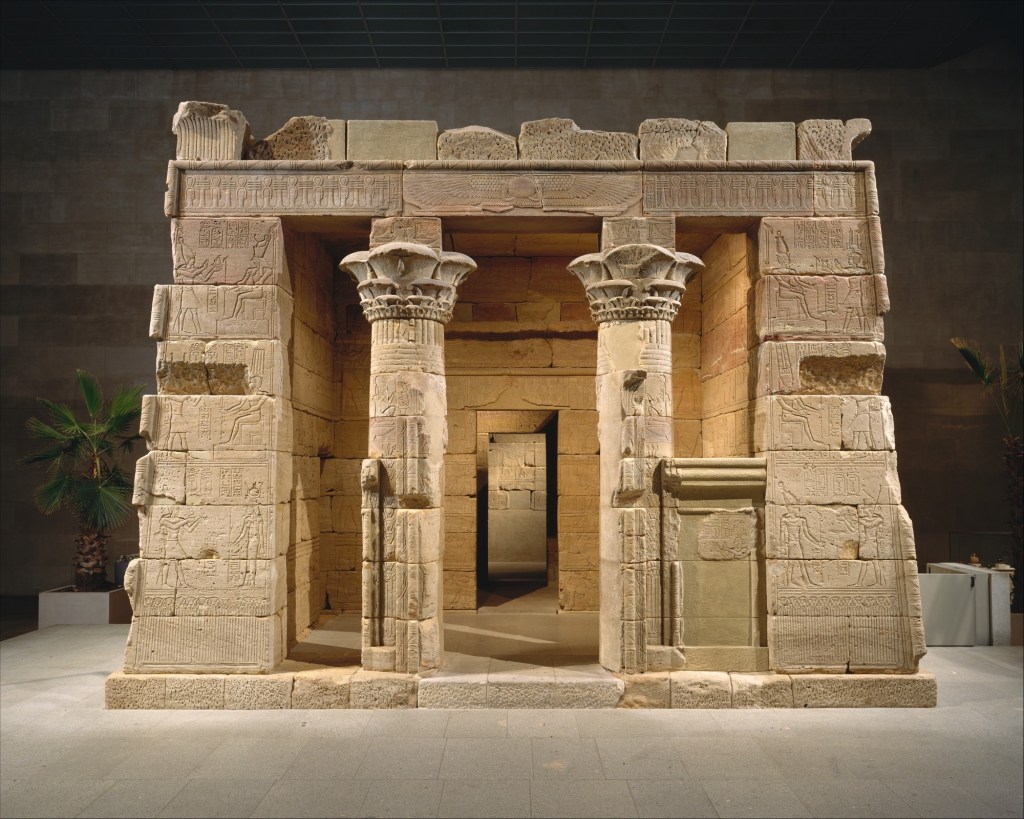
Augustus cleverly used Egyptian imagery to legitimize his new power. He portrayed himself not just as a Roman emperor, but also as a pharaoh, continuing Egypt’s ancient line of divine kingship. A great example of this is the Temple of Dendur, originally built under Augustus’s reign and now housed at the Metropolitan Museum of Art in New York City. Temples like this symbolized Augustus’s dual identity as ruler of both Rome and Egypt.
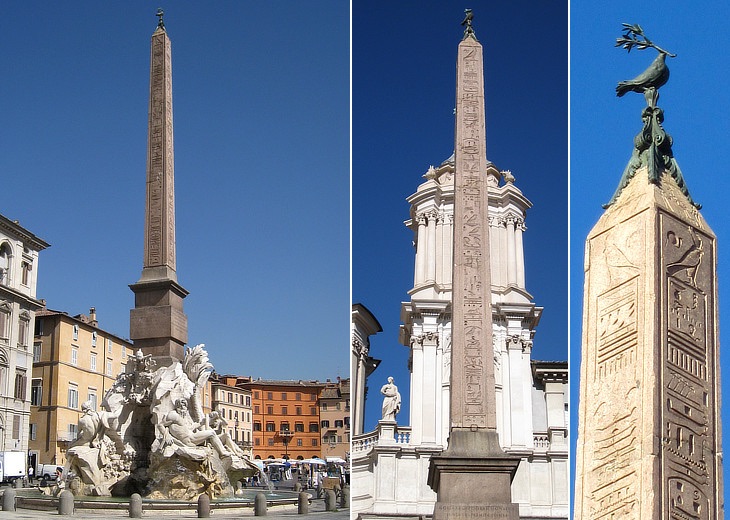
Another powerful symbol of Rome’s Egyptomania is the importation of obelisks and sphinxes. After his conquest, Augustus began the Roman tradition of shipping Egyptian obelisks to Rome (giant stone needles inscribed with hieroglyphs) which other emperors, like Caligula, Domitian, and even Constantine, would continue to do for centuries. These monuments turned the city into an open-air museum of Egypt’s sacred symbols, proclaiming that Egypt, once so mysterious and foreign, now belonged to Rome.
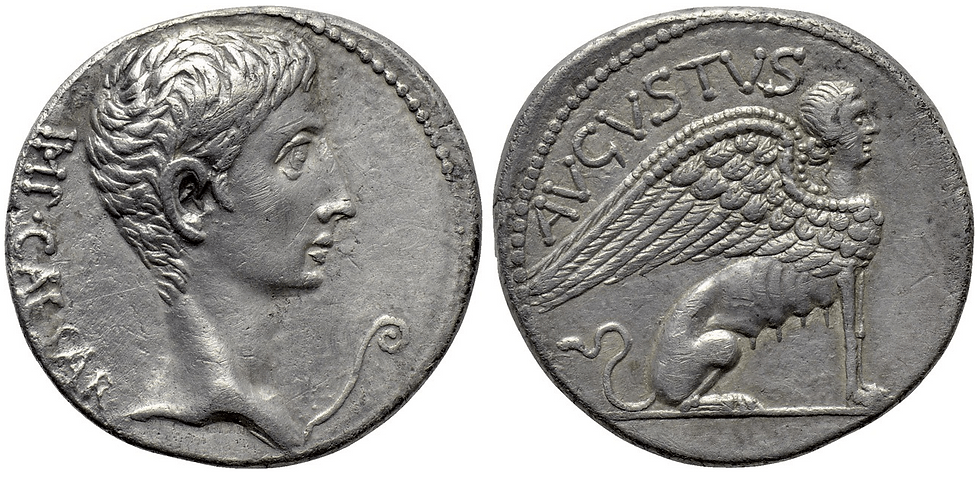
We also see this fascination on coins from the Roman Republic. Coins featuring the sphinx acted as everyday reminders of Rome’s power to absorb and display the wonders of Egypt.
This was not accidental, but intentional cultural appropriation. To the Romans, Egypt’s imagery was exotic and alluring. Displaying Egyptian art and symbols was a way for emperors and elites to show off their wealth, power, and cosmopolitan taste.
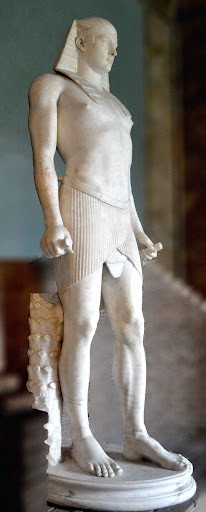
Fast forward about a century to Emperor Hadrian. At his magnificent villa at Tivoli, he commissioned statues blending Roman and Egyptian styles. A striking example is the statue of Antinous as Osiris. Antinous, Hadrian’s young lover, drowned in the Nile and was deified by Hadrian. In the statue, Antinous wears the nemes headdress (the uraeus cobra) and is wrapped like a mummy, presenting him not only as a god but linking Hadrian’s court to the divine kingship of the pharaohs.
Beyond monuments and art, Egyptomania also shaped Roman religion. One of the strongest bridges between the two cultures was the cult of Isis. Unlike Egypt’s animal-headed deities, Isis (a compassionate mother goddess and protector of seafarers) was easier to integrate into Roman belief. Her festivals, like the Navigium Isidis, celebrated her as a guardian of navigation, vital for an empire that relied on maritime trade.
Isis was often compared to the Roman goddess Fortuna, both symbols of protection and luck. In literature, Isis appears prominently in Apuleius’s The Golden Ass, where she saves the main character, Lucius, and leads him to spiritual enlightenment, showing how deeply she permeated Roman thought.
In short, Egyptomania in ancient Rome was far more than a passing trend. It was a conscious way for Rome to project power, absorb cultural prestige, and link itself to one of the world’s most ancient civilizations. From Augustus’s obelisks to Hadrian’s statues and the widespread worship of Isis, Egypt gave Rome new ways to imagine and display its empire.
 Rome via Brooklyn
Leave a comment