

DOUBLE POST
Words: 635
Read Time: 3 minutes
Blog Prompt:
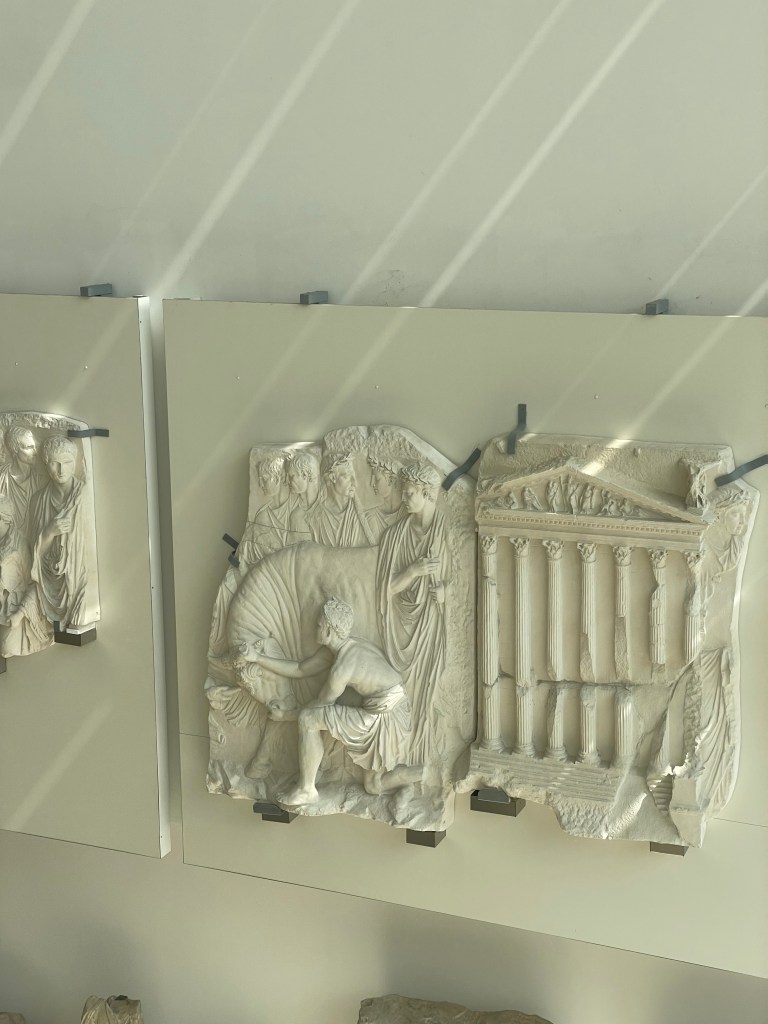
Reflect today on the modern conditions of viewing antiquities. Consider talking about museum design and ways in which the displays try to help you imagine what it used to be like. Consider discussing how and why different generations have chosen to change these displays and even move major objects to new places. Would you want to see these artifacts under different conditions? What is the most satisfying way to view such antiquities?
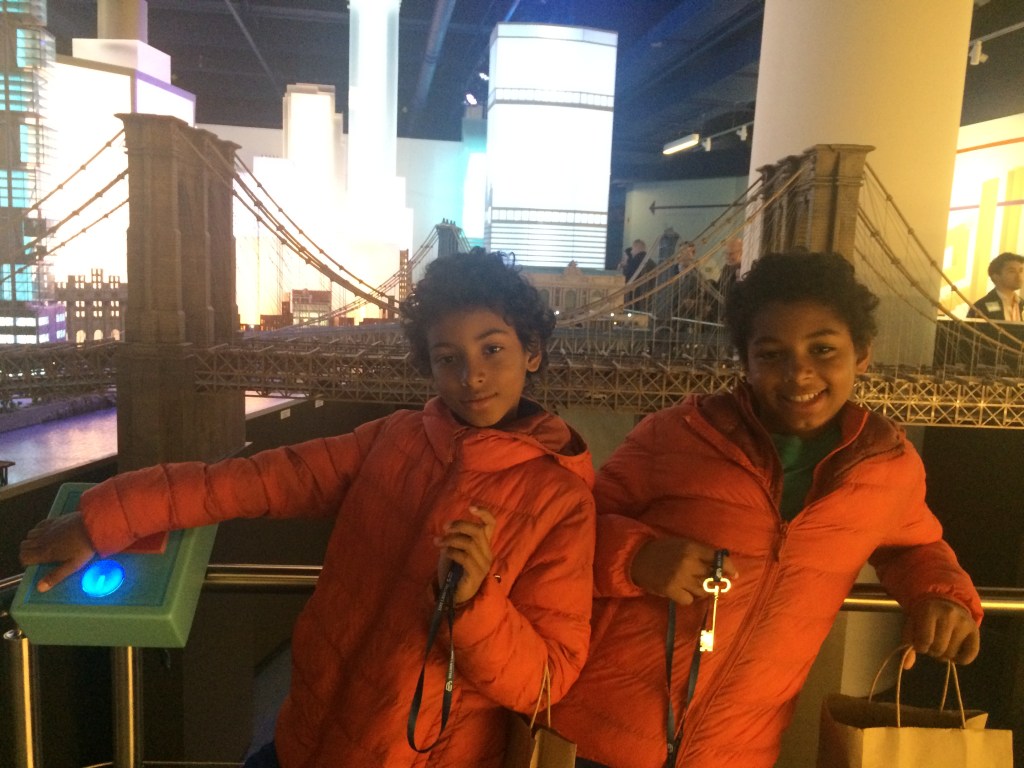
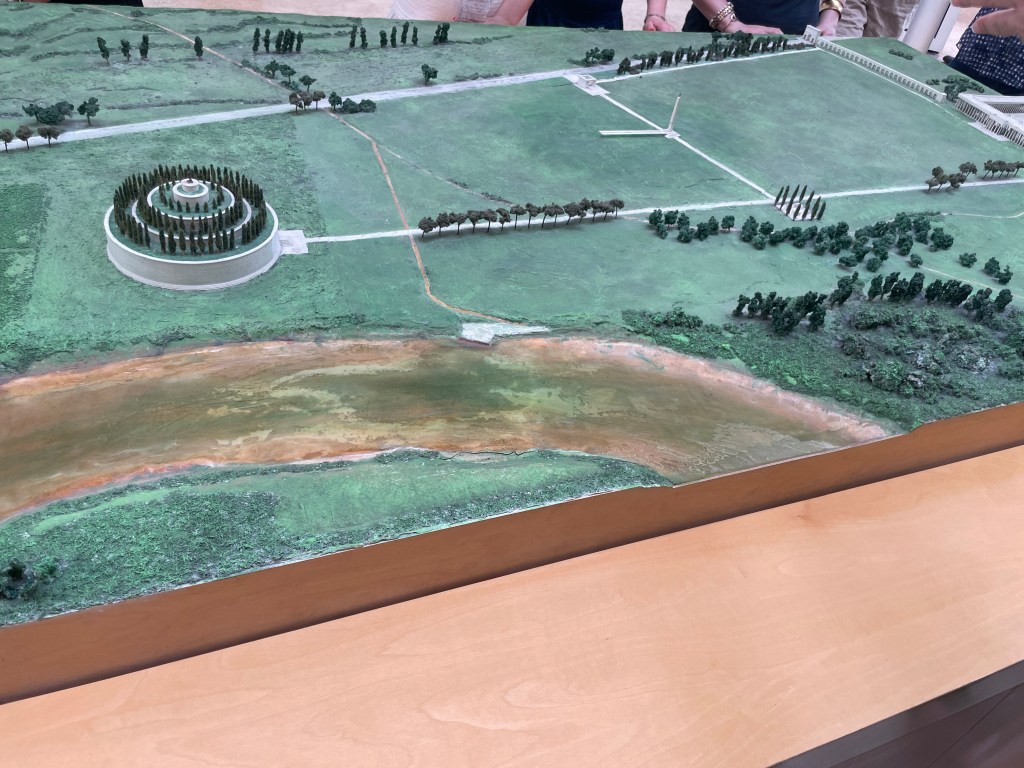
I liked a very special display at the museum. It was a panorama or scaled map–there is a different word to describe it, but I am blanking. Being greeted with that display brought me back to when I was little and how my mom would take me and my brother with her to see all the panoramas she toured and worked on. The dreaded Queens Museum! We have seen a lot and heard a lot from our mom, but we never really knew what was going on. She would go on about niche topics in urban planning, panoramas/dioramas, and miniature scenes. Being little and hearing all these big words was confusing. To that, add the peeling of layers that is inherent to studying history or similar fields, and you get a commingled mess–at least for a 10 year old! The moment prof. Yarrow started talking about the miniature scene, it threw me back in time when me and my brother would always be at this panorama or that miniature exhibit. The talk that prof. Yarrow gave us was different from when I was young because this time, I knew most of the big words being used, for the most part, and I had previous knowledge of dioramas, miniature scenes, and panoramas. By the time the lecture was done about this specific display, I reaffirmed my growth as a person and student! The nostalgia hit differently!
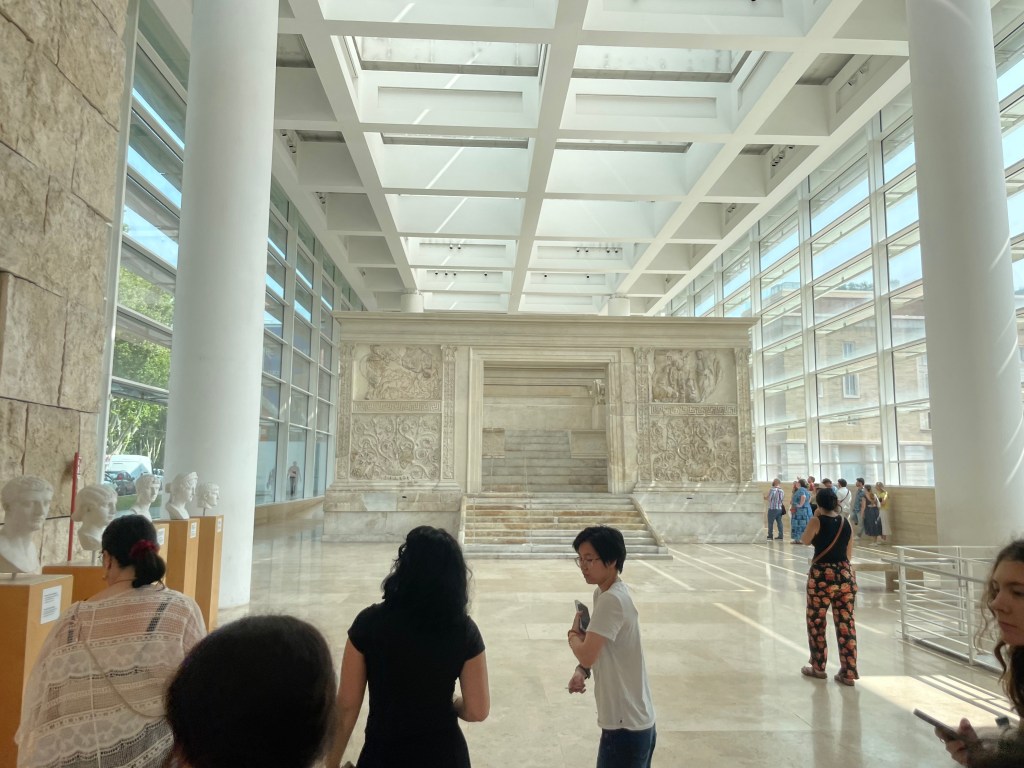
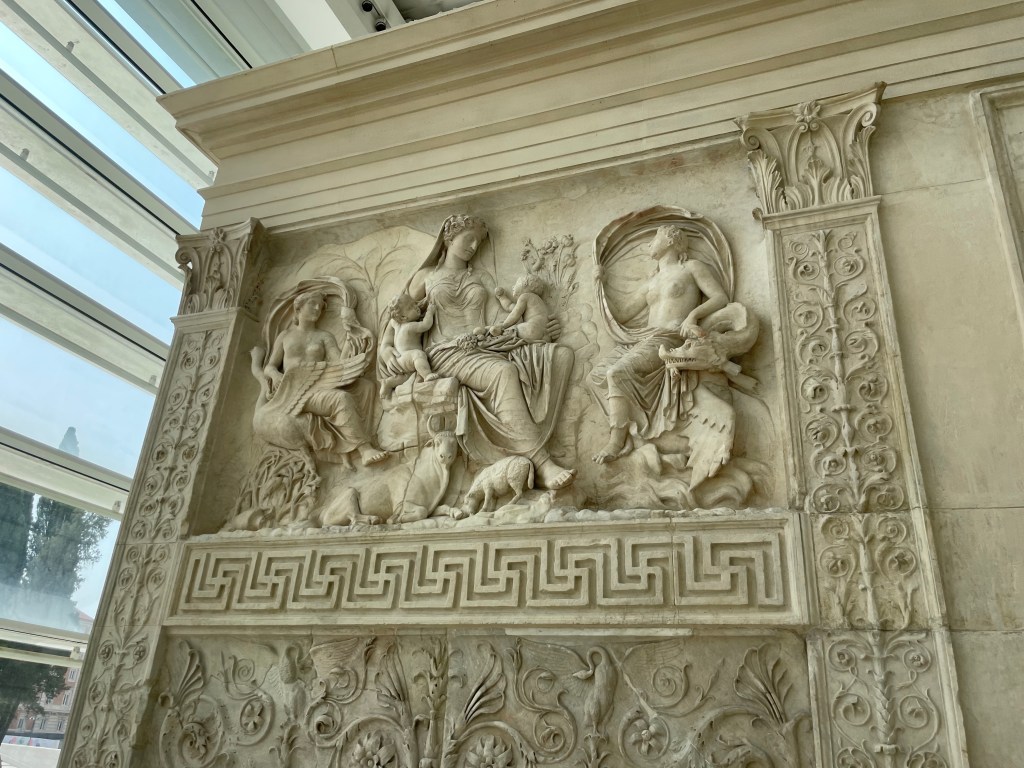
I really enjoyed that they let us into some of the displays! This is how we should interact with history. Being able to enter and walk where others have walked is extremely surreal and makes us feel part of history. Everything I have remembered so far in the class is not from literature –though extremely important–but from seeing and not imagining history. We immediately tied the vestal virgins and animal sacrifices to the altar. We saw the Fasces, as well as Romulus and Remus. The pedagogical strength of this class is not necessarily the readings–though they do of course help and give us a foundation–but the physical interactions we have with antiquity and what has survived.
The altar was exceptionally clean and well maintained. There is no way that someone without any prior knowledge or guide in the museum would have guessed that animal sacrifices took place in the altar–imagine one does not know what usually happens on an altar. I regret to inform you that the altar and its purpose only clicked when prof. Yarrow said: imagine the floor covered in blood. This is also interesting because it shows how history can be misleading visually, thus making it more misleading. One could have left the museum thinking that the altar was just as clean and well kept. But as we know this is far from the truth.
What is the most satisfying way to view such antiquities?
I spoke about the above question earlier, but I decided to add some more. My main opinion on how one ought to interact with objects of antiquity or simply antiquities is that the interaction should be physical. You must feel the object. You must smell the object. You must use your senses to interact with antiquities. This for me is the only way to be able to understand history and by extension form your own views on it.
–Moussa Toni Cisse


 Rome via Brooklyn
Leave a reply to rachel19281 Cancel reply