
“HERCULANEUM (BETTER THAN POMPEII?!)” (Blog Post Day 10)?!
Words: 1,079
Read Time: 6 minutes
Pompeii.
Moussa agrees!
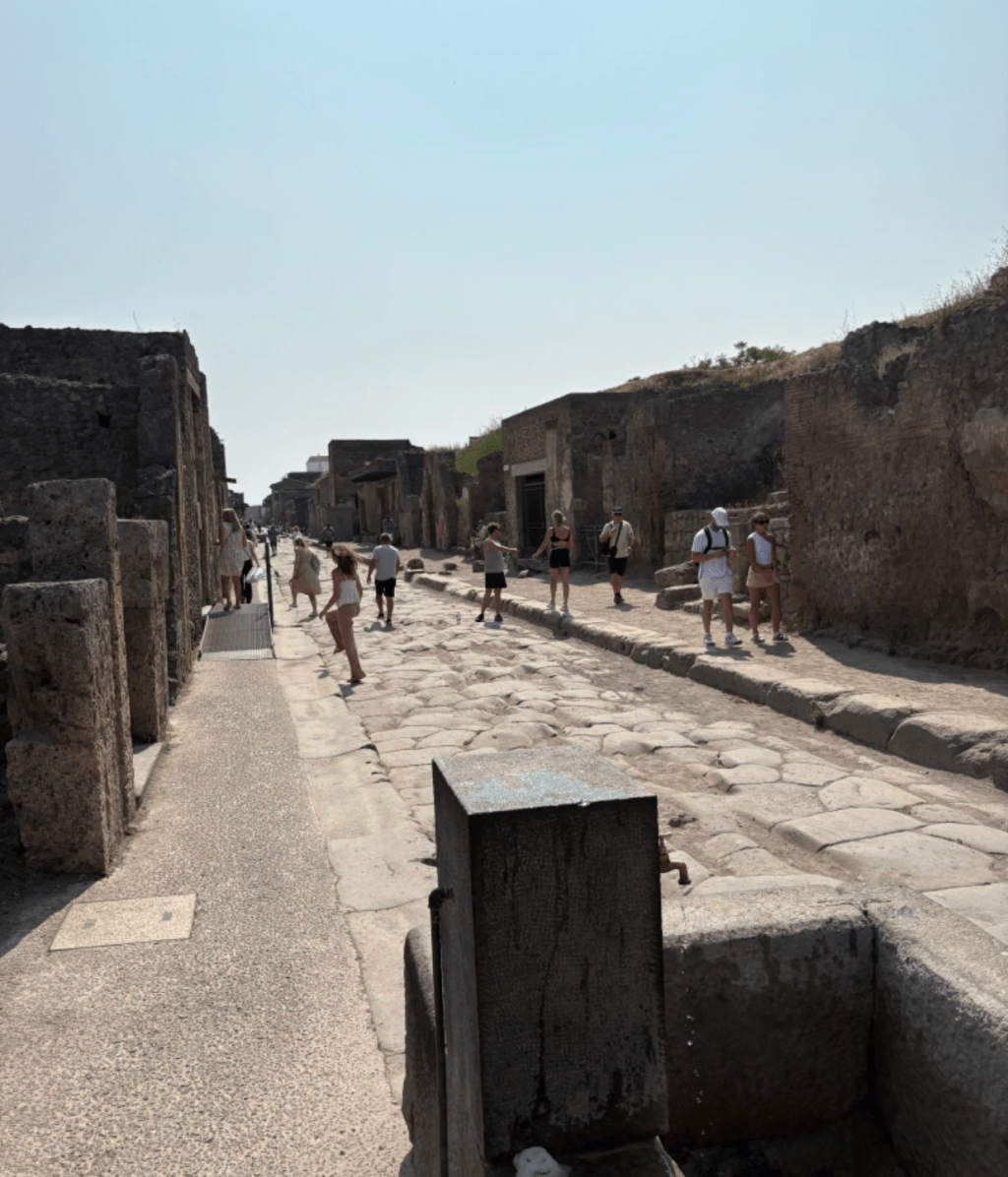
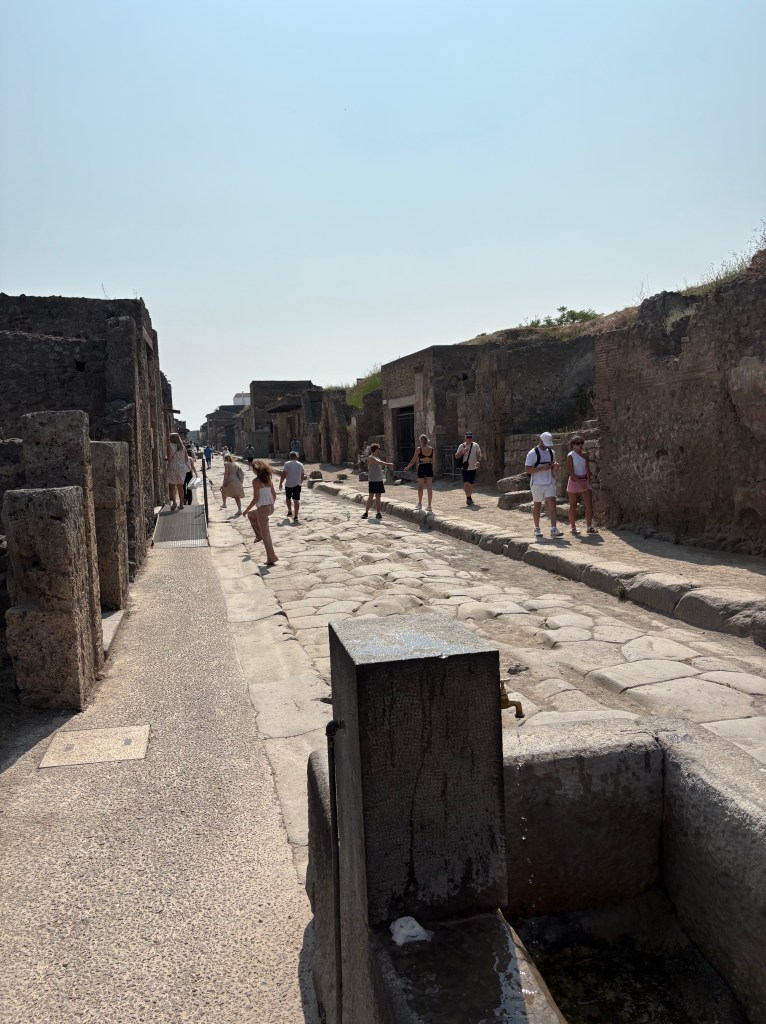
I went to both Herculaneum and Pompeii and I fully agree with the statement above. For some reason Pompeii was underwhelming while the opposite was true for Herculaneum.
Prompt: How can you connect what you saw in the museum with what you saw on the site itself? This post should be photo heavy (no less than 6, ideally many more) and most of your words should be image captions. Try creating pairs of images with interesting juxtapositions.
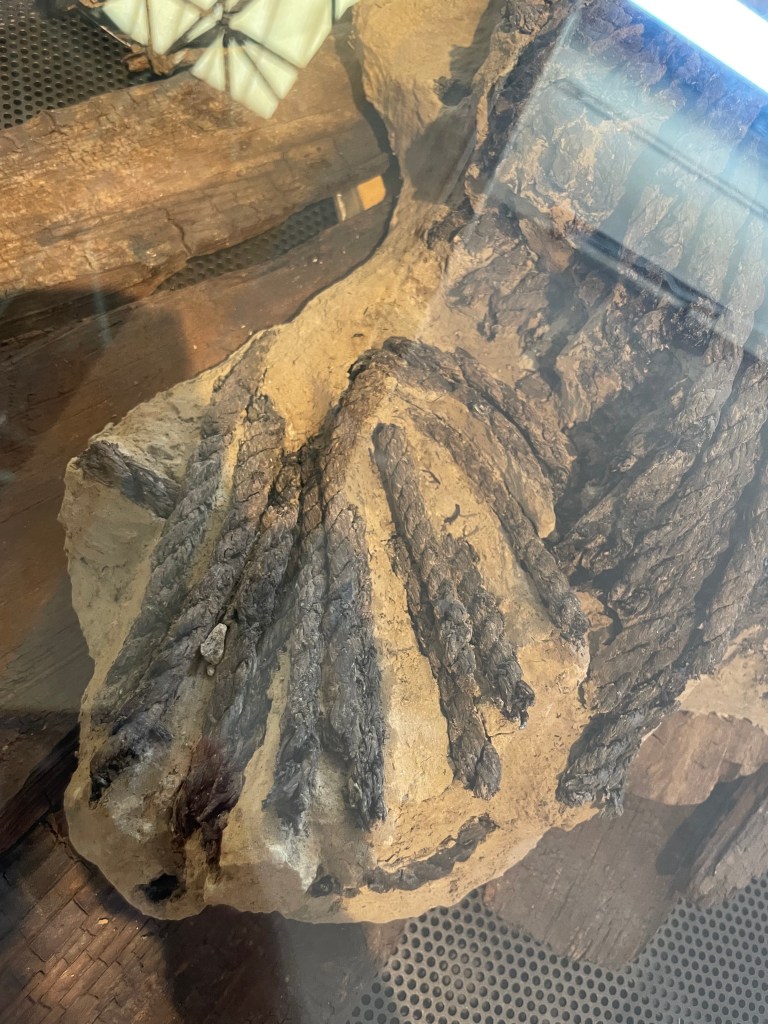
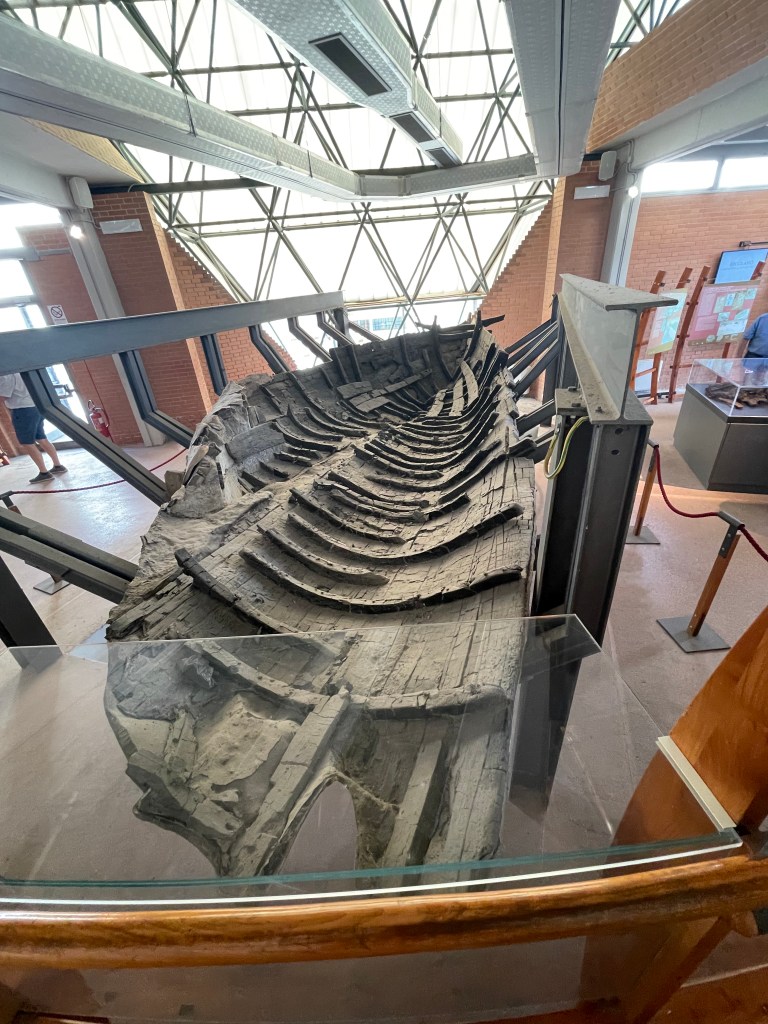
Caption: We entered the Herculaneum and were first greeted with the images pasted above. I immediately knew that we were looking at a boat and a rope. There is something interesting about my prior statement. We usually assume that because something is “old” (in this case extremely old) it is different, sometimes unrecognizable. Anybody that is in the present is privileged to have the ability to look back into the past. Usually, when we look back into the past, we view it through a lens of superiority. For example a simple conversation may happen between two people that follows like this:
Person 1: The ancient Greeks and Romans were so powerful.
Person 2: Yes I totally agree!
Person 1: Do you think we would be able to fight them?
Person 2: Yes we are smarter.
Person 1: How are we smarter?
Person 2: Well the academy has challenged and grown way more than in antiquity. Yes
Person 1: But doesn’t the foundation of thought come from the far, far, past?
Person 2: Maybe, but we know much more now, thus making us smarter.
Person 1: Well what about fighting? They were strong and muscular. They can fight.
Person 2: Yes, but we have guns, something they didn’t have
This was a terrible way of trying to write the example using the Socratic example but OH WELL! The example above shows that we usually confront the past with the assumption that we are stronger, smarter, and thus better than history and in this case antiquity. Now, I do also want to point out that we can glorify ancient figures and history in general, but we usually do it from a superior standpoint.
The fact that I knew what the above artifacts were from just glancing tells us how things may not be so different. The boat artifact is very similar to the modern boats we see. The rope is identical if not the same to the rope we use today. This connection between the ancient and the modern shows us that time–usually thought as linear or rather progressive–is actually relative–not going to get into Einstein and physics.
Caption:
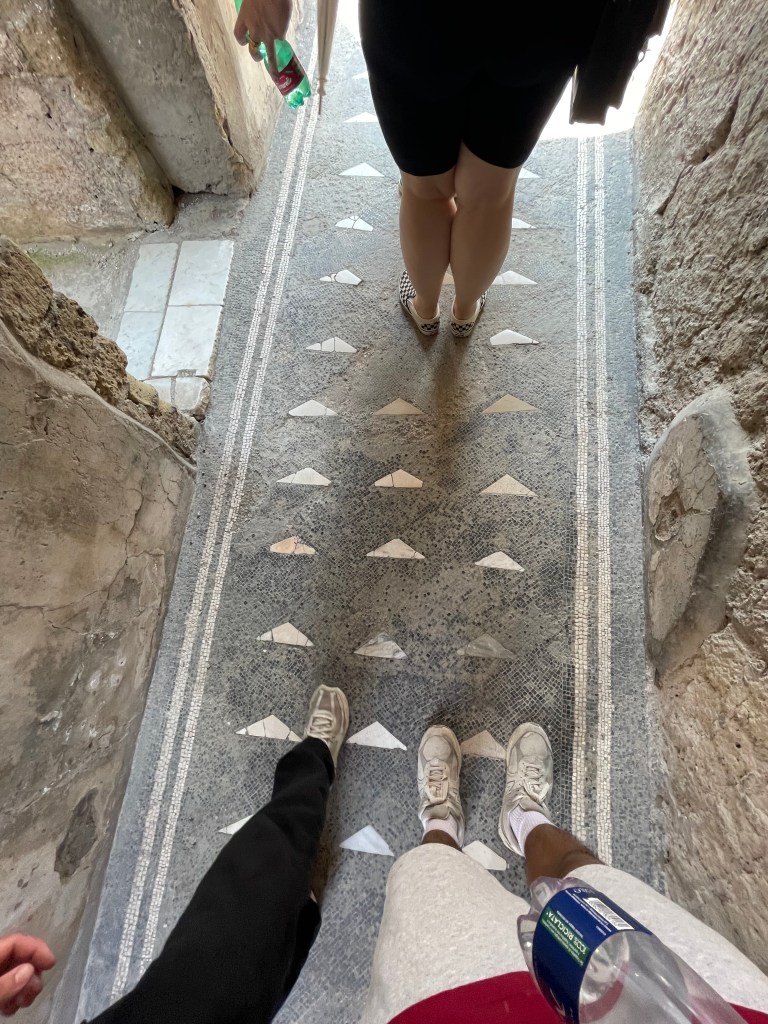
I found the arrows on the ground to be super cool. The arrows are placed symmetrically and stand out from the black “background”. This forces the people who are walking to look down and make sure that they are going the right direction. I have done a project in the past about signs and Urban Places and this fits right into that project. We usually overlook subtle signs like the ones seen on the ground, but in my project I argue against that. I believe that we do see these signs and we subconsciously follow them. Another interesting thought is how many signs there are all around us. If we take my prior argument and build upon that, then the logical progression is have signs been taken over? By this I mean, when walking around streets we are bombarded with advertisements, an extension of uncontrolled and unhinged capitalism. I tie this back to antiquity and the Herculaneum because of those arrows.
I was pondering about this after walking over the arrows. This is what makes immersing yourself physically in such an environment so special!
Caption:
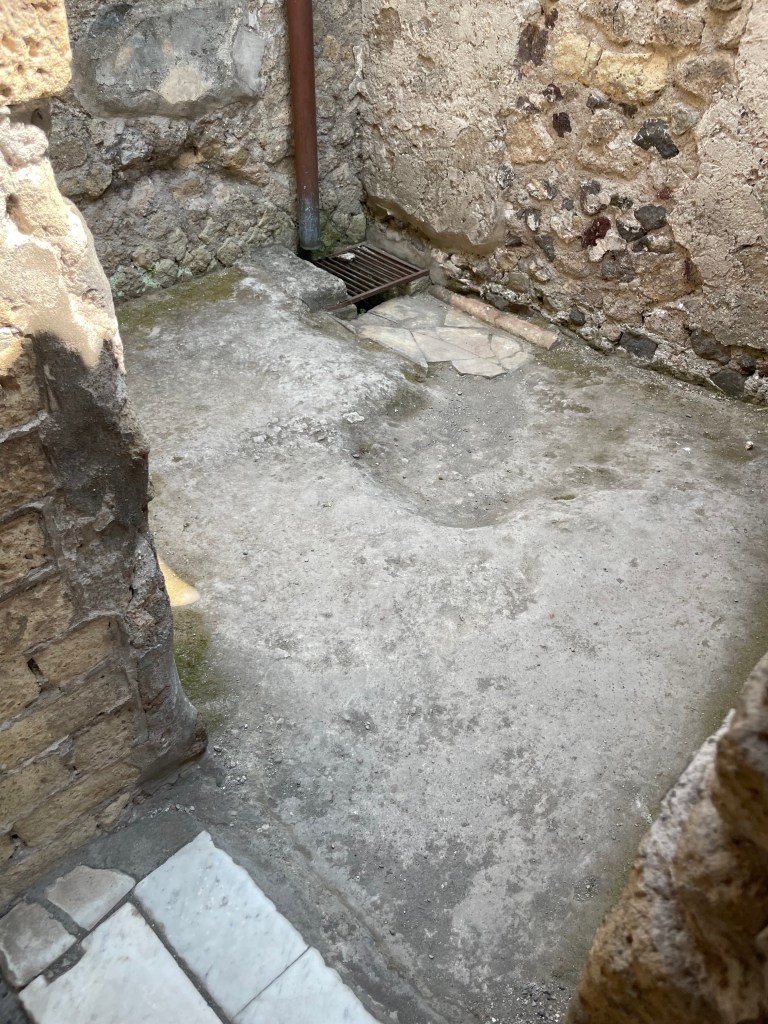
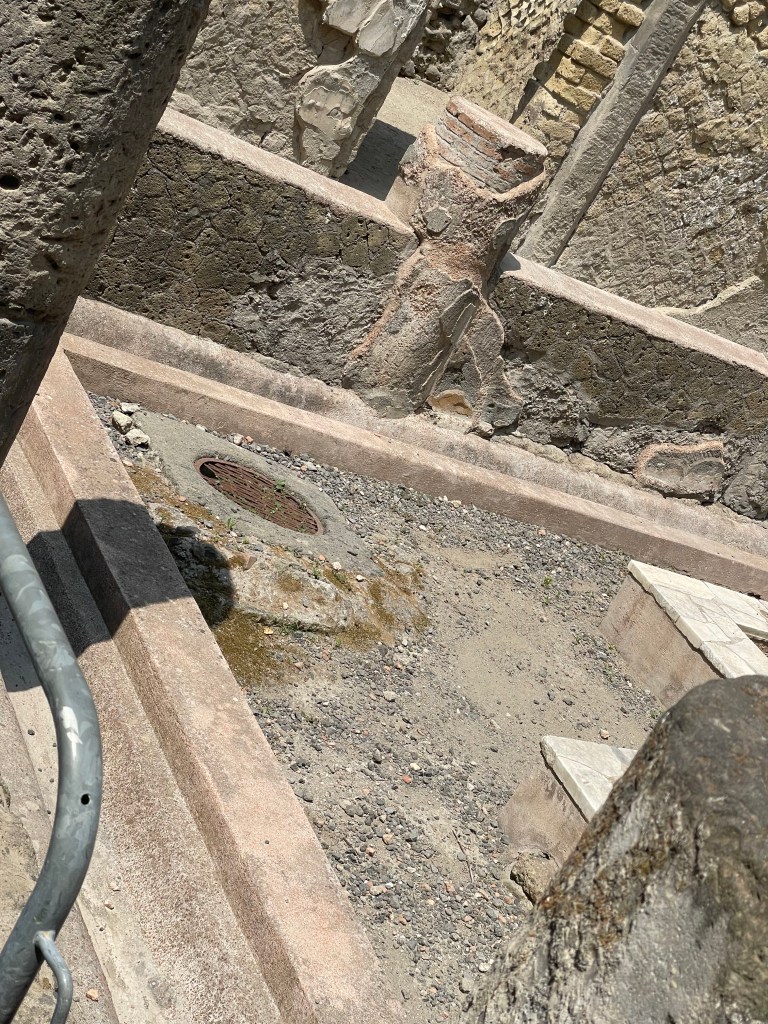
The draining system looks primitive, until you really sit down and think about it. Look around and one notices that the draining systems are the exact same in modern times as they were in ancient times. This to me is miraculous and shows us how we are always connected with the past; we wouldn’t be alive without it.

Caption:
I really enjoyed the cross pattern/net structure (opus reticulatum) of a lot of the walls we walked through and around. What makes it even cooler are the layers present over some of them. They (opus reticulatum) were hidden behind plaster. But with destruction they are exposed for us to see! This is why destruction as a concept and the conceptions of it is challenging to understand.
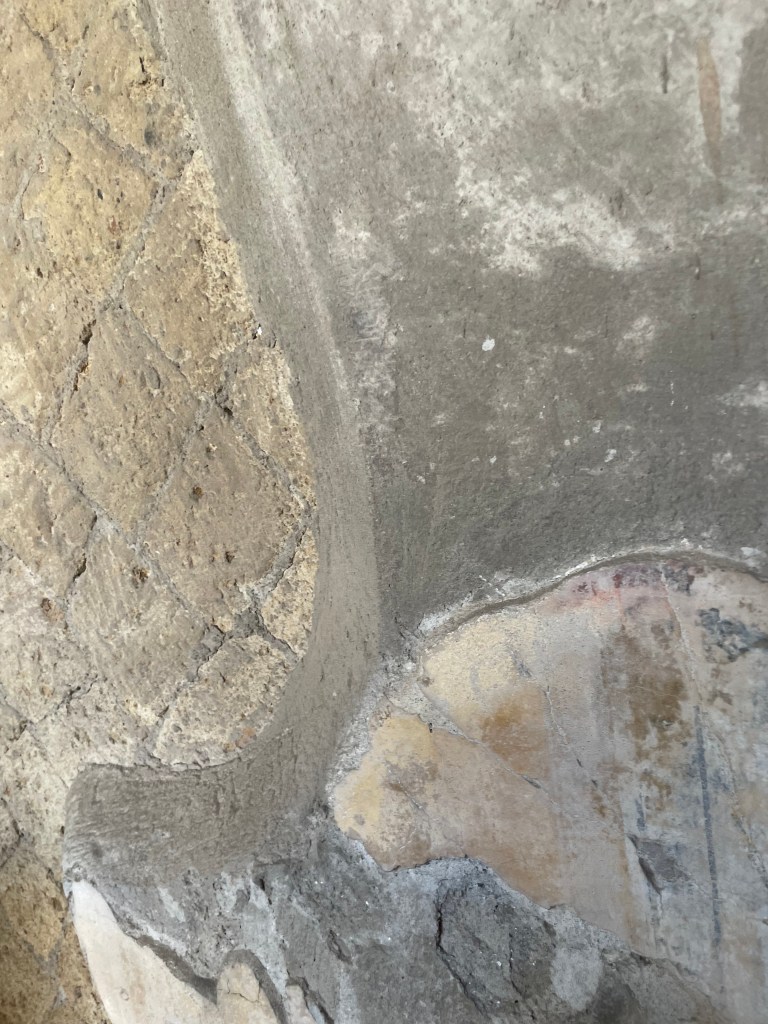
Caption:
I really liked the layers on top of layers that were an internal part of the Herculaneum. The first thing that popped into my head was how Prof. Napoli told us that NYC is like an Onion. The culture, traditions, religion, and ethnicities intertwin and commingle. To look into history and then trying to dissect it is a form of “peeling the onion”. The image above is an extension of the “Onion” symbol. The wall has a few layers, each different and extensive. This is what makes history so cool.
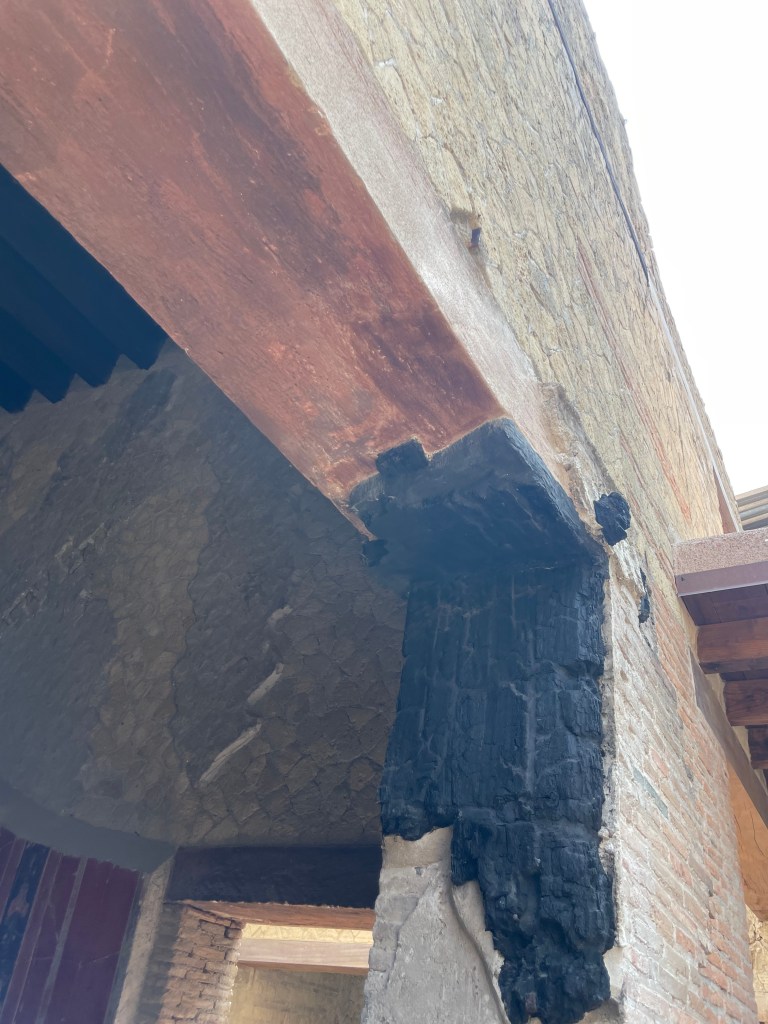
Caption:
I found the image of the burnt wood miraculous. I would have assumed that wood after a volcanic eruption would be the least salvageable material, but I was proven wrong.
The wood stand tall and strong!
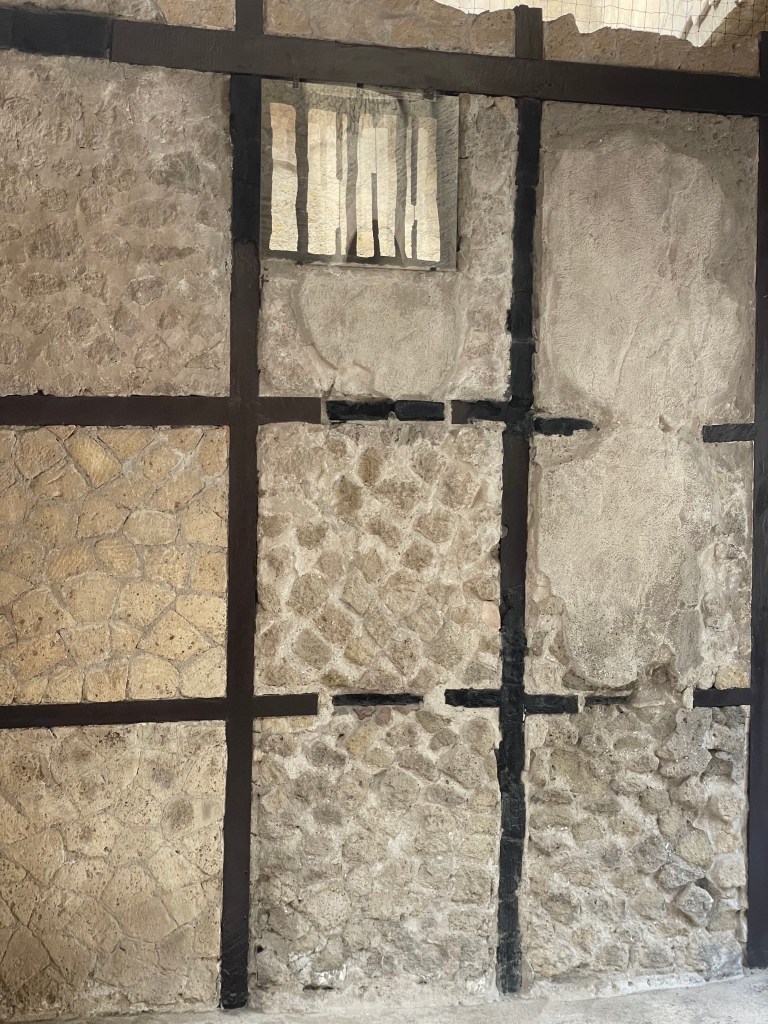
Caption:
This is an Ottoman wall and is thinner than the walls Romans used to build. This is interesting because it shows us how Rome valued architectural wonders and copied them–this does not necessarily make them good as a civilization. I just like how humans have always taken inspiration from each other!
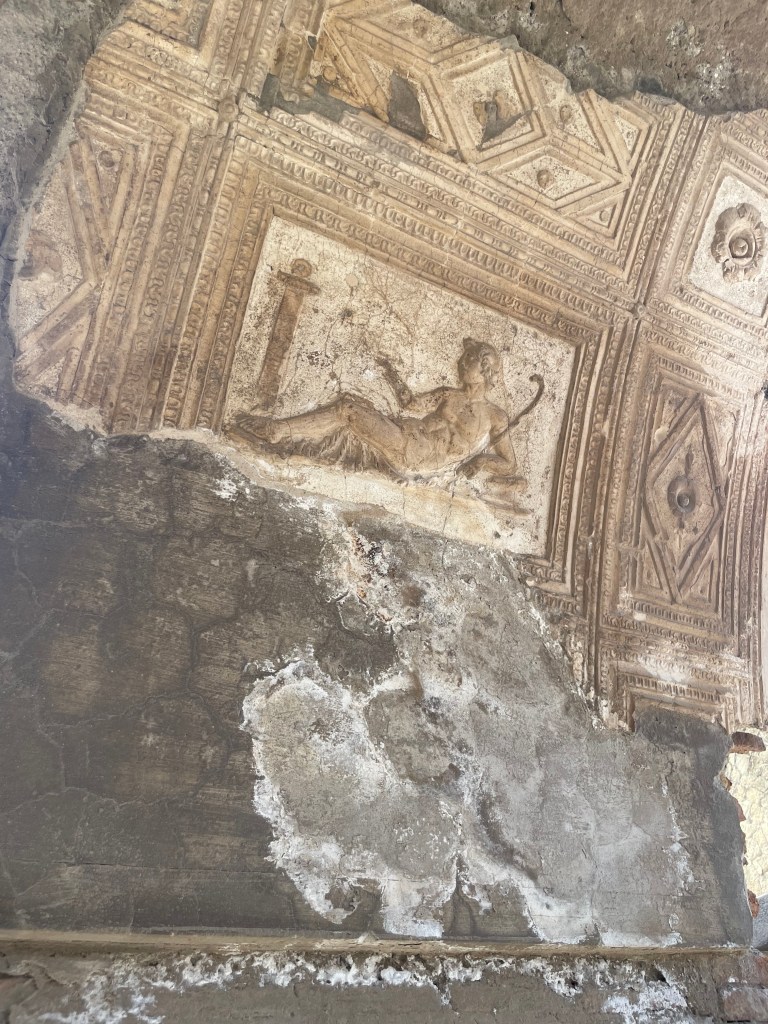

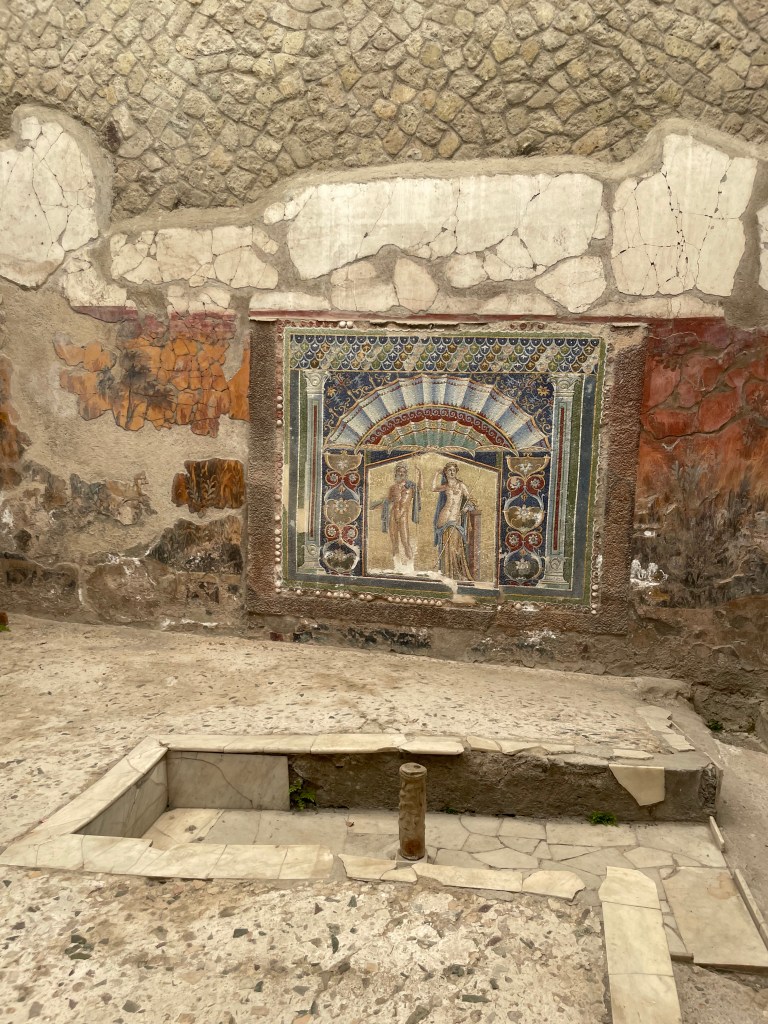
Caption:
Motifs and personification of tangible things. I won’t spend to much time on these images, but I really like how we have been seeing deities and symbols everywhere.
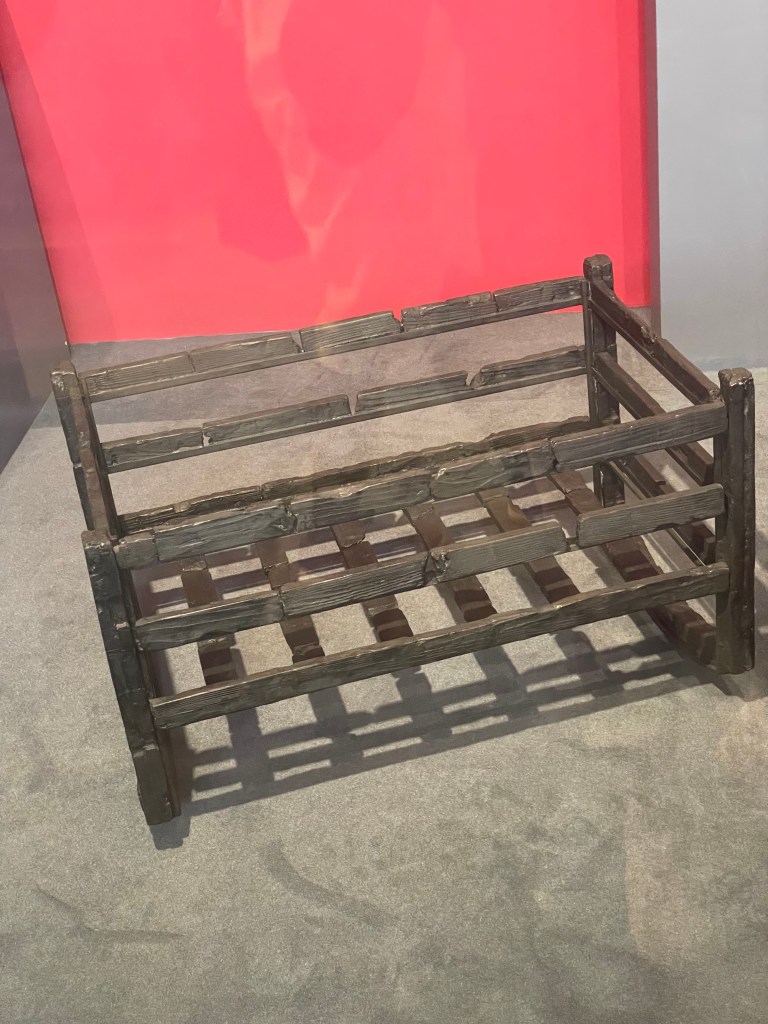
Caption:
This crib is another super cool example of how the past and the present are not so far apart. We see this exact same cradle in modern stores and movies. This is super cool and shows us how architectural genius (also construction) transcends time and its dangerous hold.

Caption:
I think this image captures everything that I have been saying up until this point. Look at how the ancient mixes in with the modern. The homes are similar and the layout is similar. Everything is connected and Herculaneum gives us a chance to prove it!
–Moussa Toni Cisse


 Rome via Brooklyn
Leave a comment