
700 words, 4 minutes read time.
The day starts off early. However, the sun shows no mercy to the early birds who try to avoid the sun.
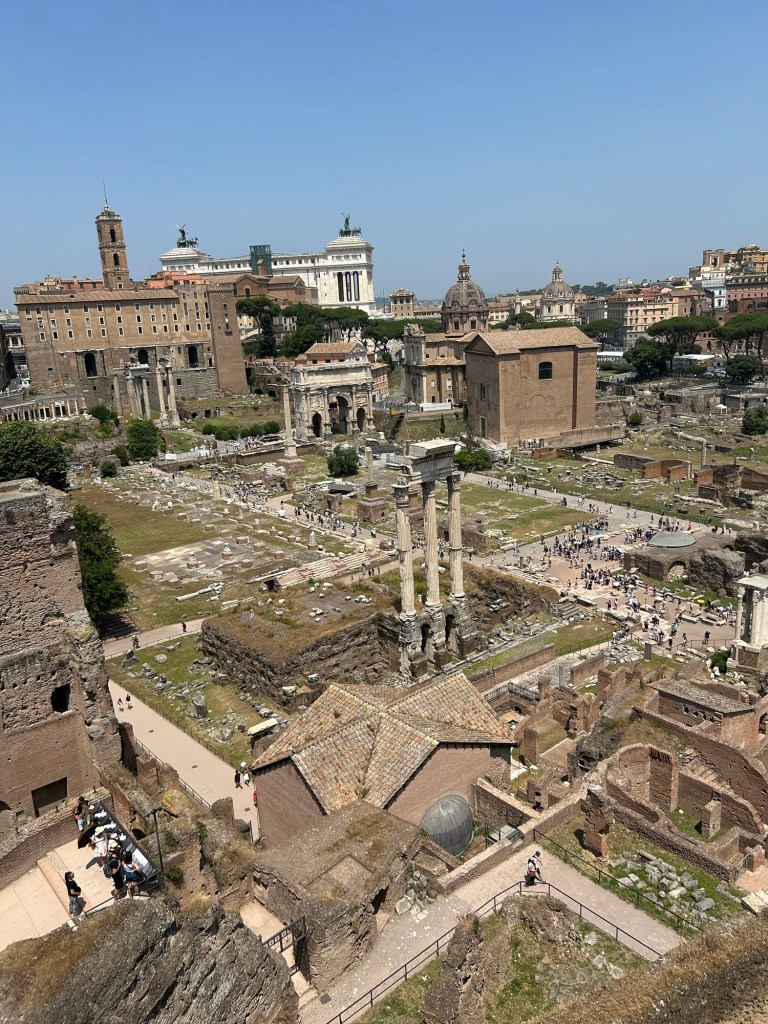
The location for today’s lecture, the Roman Forum, often gives me the vibe of “is the Italian version of the Forbidden City”, at least in my opinion. One similarity in both historical sites is that they are both a place that serves individuals who are in power through aspects of law, religion, and politics.


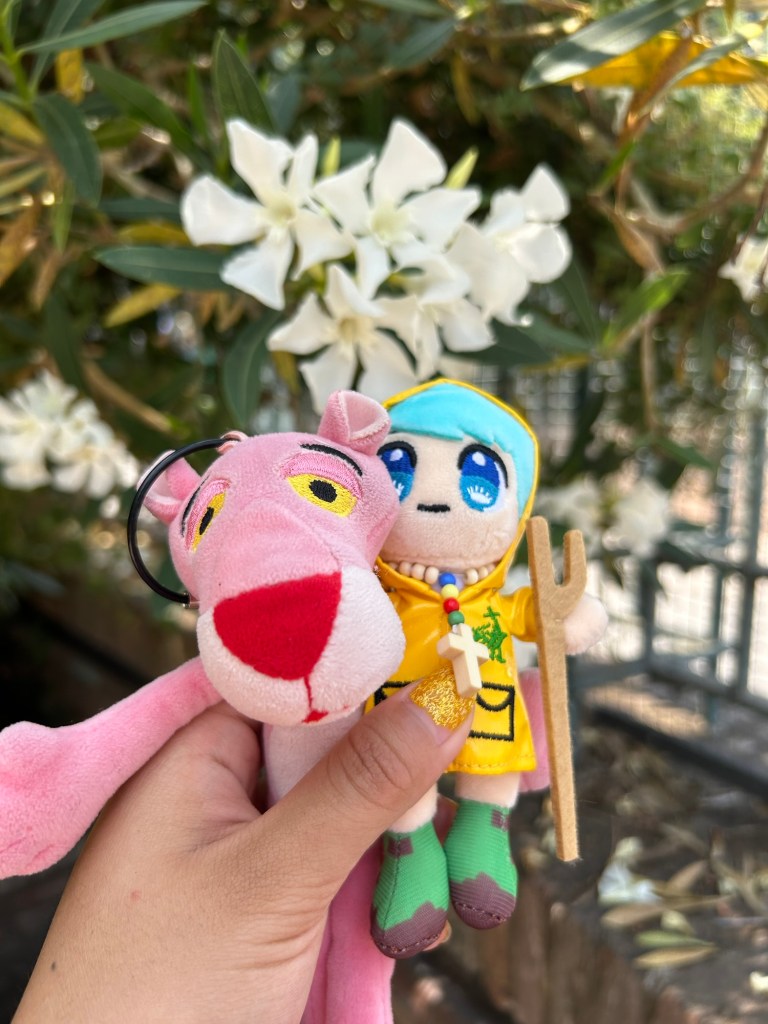
I’m glad that I am fortunate enough to visit Rome during the Year of Jubilee!
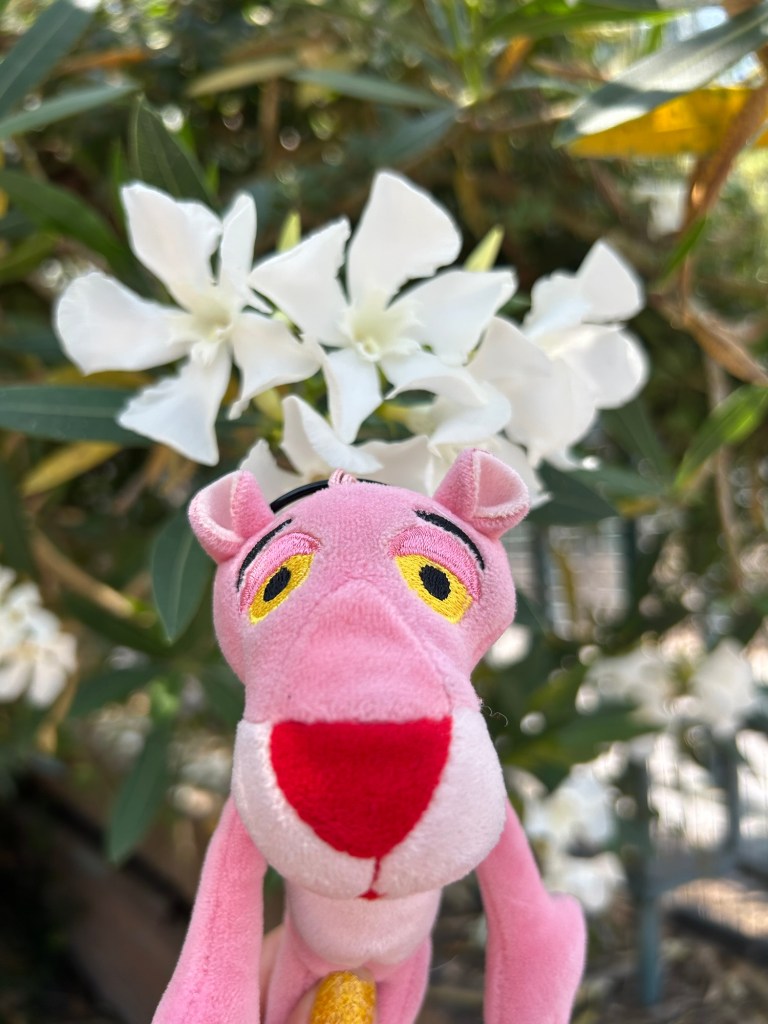
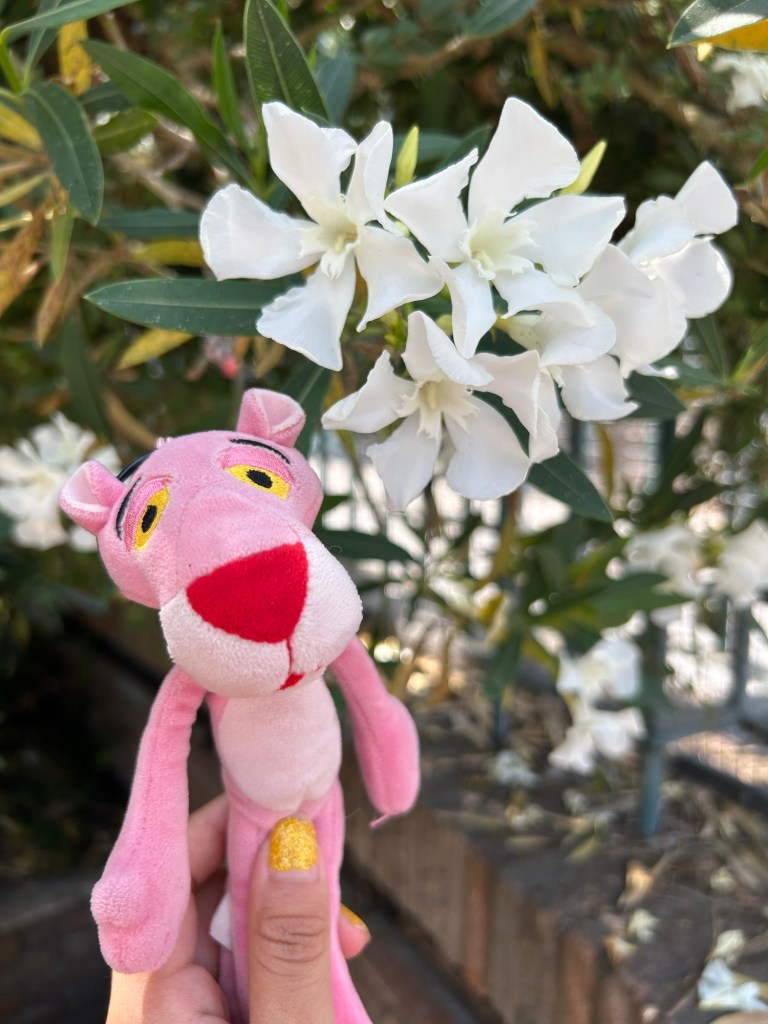
Luce, the mascot, is like a friend the Pink Panther made during this journey.
Speaking of children, this paragraph from Rome Alive Chapter 4 discussed about particular values the noble Roman would impose on their children, male descendants to be specific.
“Whenever a distinguished public figure dies, as part of the funeral rites his body is escorted across the Forum (most often in an upright position visible to all, or more rarely lying down) and is carried up to the Rostra. There, with the whole community gathered around, a son of the deceased (if he should have one that is grown-up and present; otherwise, someone else from the family fills in) ascends the Rostra and delivers a speech on the man’s virtues and the achievements of his life…”
- The process of such funeral rites sounds like an old-fashioned way of propaganda. A way for the family of the distinguished public figure to maintain their family’s hold of power while continuously gaining respect from the community(folks who are in a lower state than them). Those who are entitled to power decide what kind/type of message the lower class receives. Maybe I have over-interpreted the information from this paragraph, but since such a ritual is being held at the Roman Forum, I can’t help but connect the dots and forge a picture of the entitled being manipulative and vicious. Yeah… I most definitely overinterpret, but at the end of the day, who knows?
- It is also interesting that the author uses gender specific pronouns when describing the protagonist(the descendant) of the rites, which hints that a distinguished female public figure in ancient Rome most likely would not receive the same funeral rites. Further down the paragraph, the author also points out that the individual who ascends the Rostra must be a male who is related to the deceased(genetically). This further proves that the female figures of different stages(mother, wife, daughter, sister, etc) are often neglected in this particular aspect in ancient Rome.
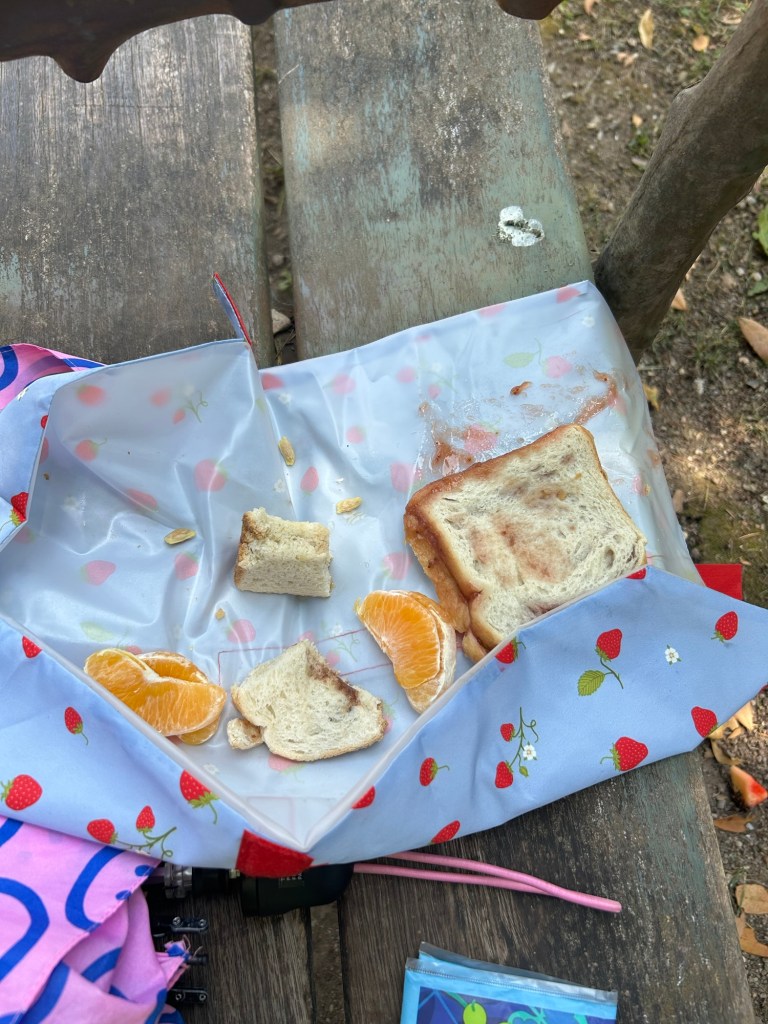
The lunch I packed looked like they had a huge fight with each other in my bag. Oh, also, I just realize there is a drop of bird poop on the bench💔. I did not even notice when I sat there and ate 💀.
Anyhow, the lunch prepping experiences from the past few days did help me navigate my comfort zone in food type, portion, and practicality when it comes to how to prepare lunch for myself.

I tried to enter this specific structure located on the Palatine Hill. Some said this is the Flavian Palace. At first, I mistakenly thought this was the house of August and Livia(the signpost in Roma Forum could use some work, some of them no longer has the ability to endure the brutal sun od Rome; the words are fading); I walked back and forth about 20 minutes to figure out where the entrance was, only to find out that it was closed for the day💔. Still, I couldn’t quite figure out what this building was meant to be. The closest information board only contains information about the floor mosaic that lies in front of the structure. Welp, another thing to add to my “regret list”.

 Rome via Brooklyn
Leave a reply to nico :P Cancel reply