
881 words, 5 minutes read time.
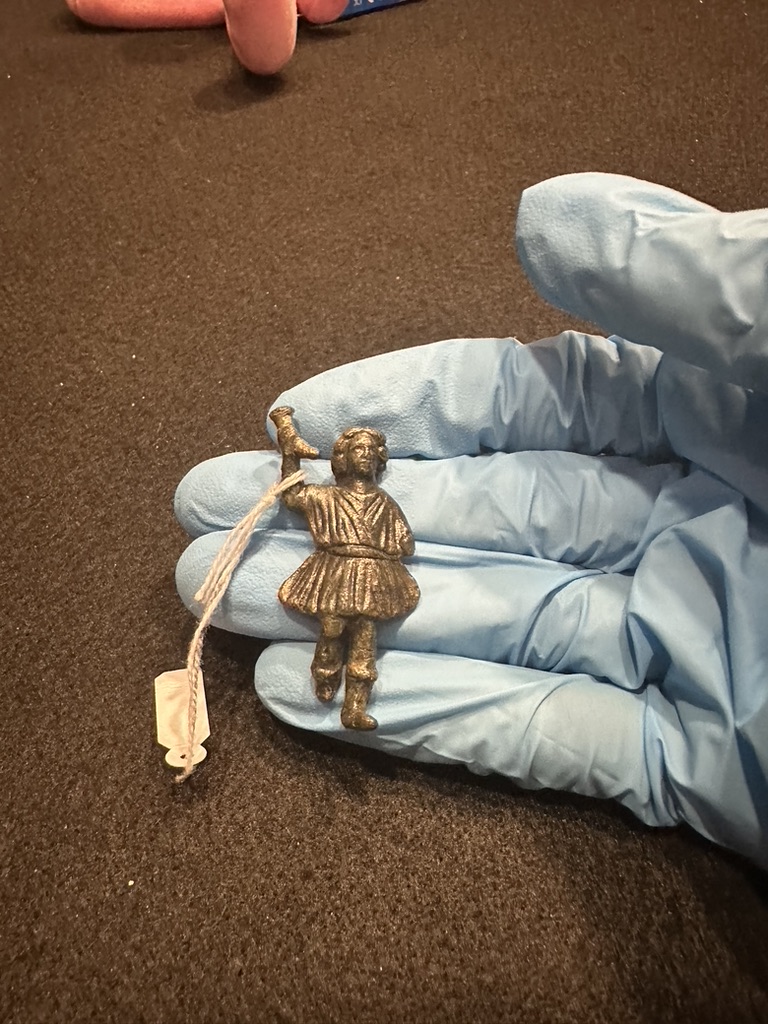
This was one of, if not the, busiest day I had during our study abroad trip. My mind was mostly preoccupied with my solo presentation, which I was very nervous about (in hindsight I had absolutely nothing to worry about), and I had also (impulsively) agreed to a session where we would be able to actually handle ancient archaeological findings at the American Academy of Rome.
All throughout the morning before getting into a taxi, I was questioning why I had decided to add onto my plate for the day by getting up the earliest I had this entire week. This past week had been great since I got to finally sleep in, and here I was purposefully choosing to wake up early. Once we had reached the beautiful campus and began looking at the different artifacts, all doubts and regrets completely left my mind. The campus was so gorgeously laid out, and a pleasure to walk through. Getting to actually hold objects that the general public often only get to see behind glass was such an interesting and bizarre experience. Getting to hold items these items, which are now fragile and considered invaluable, which were common items that were held, touched, and used by people years and years in the past was equally disorienting and amazing.
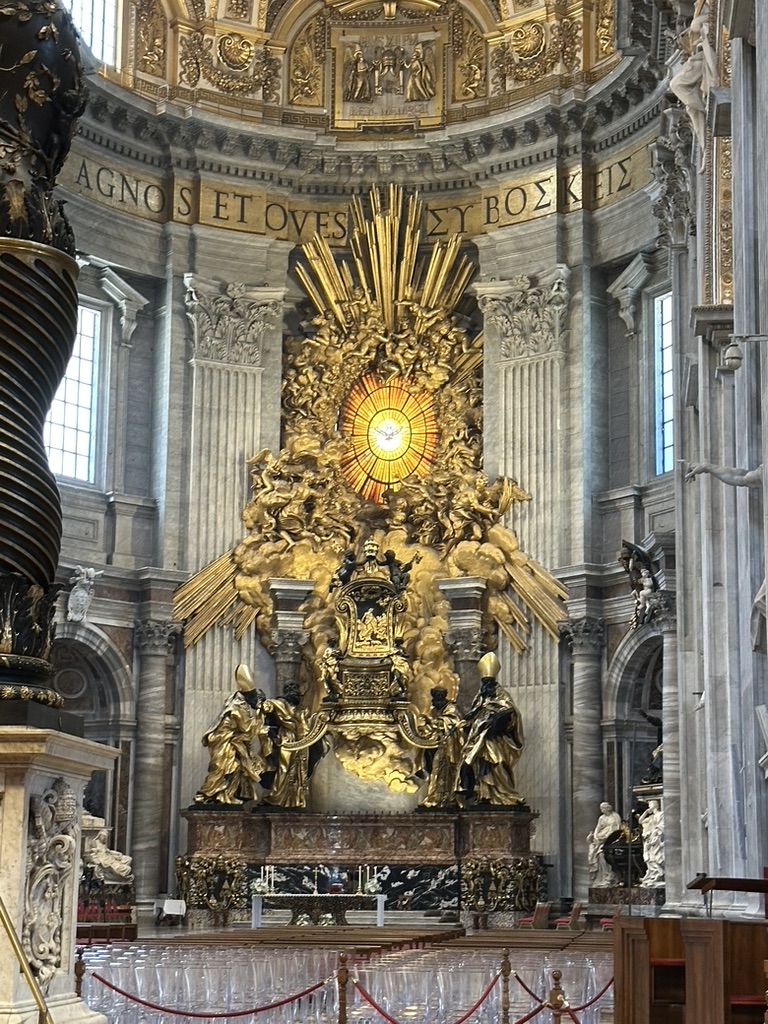
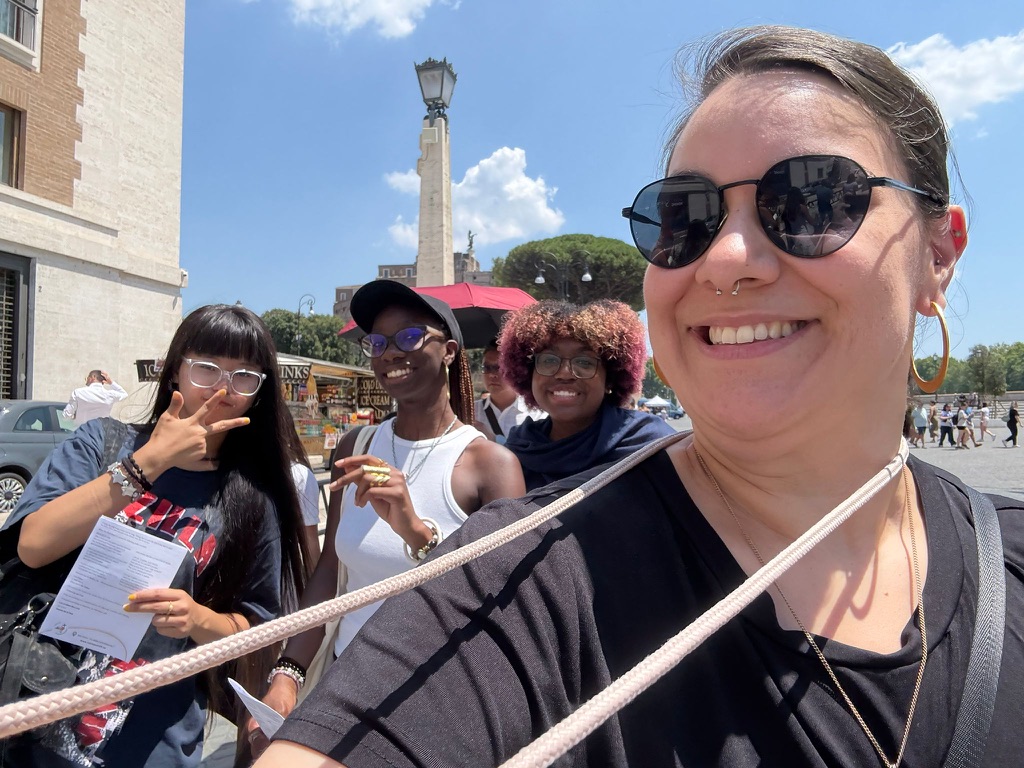
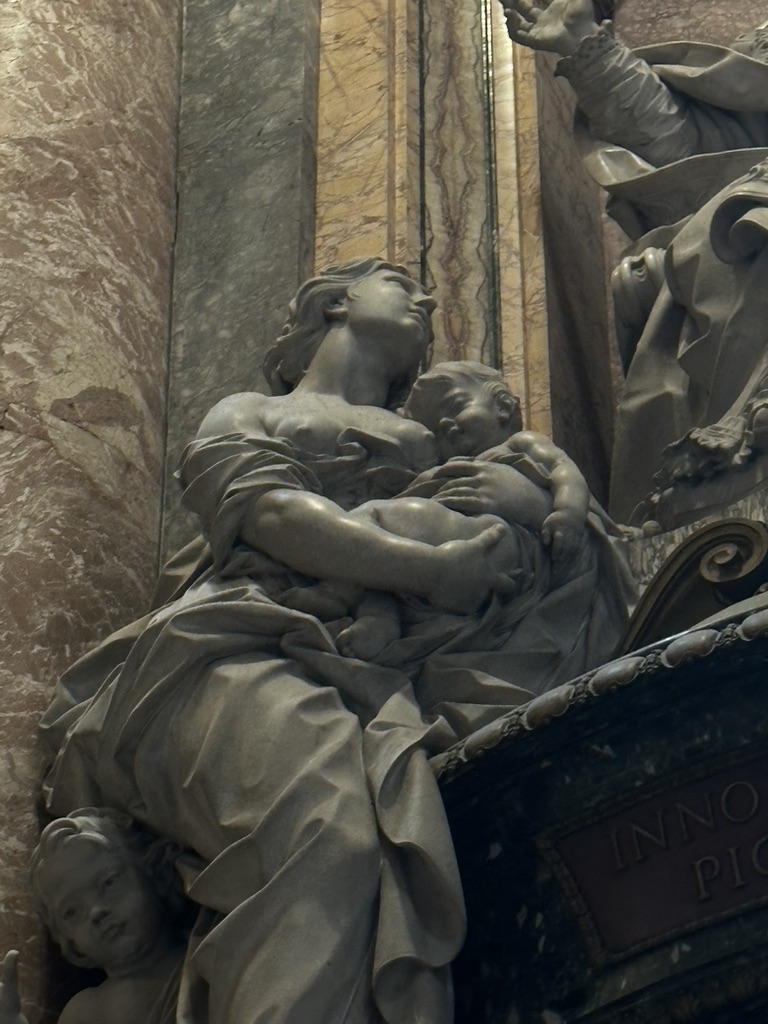
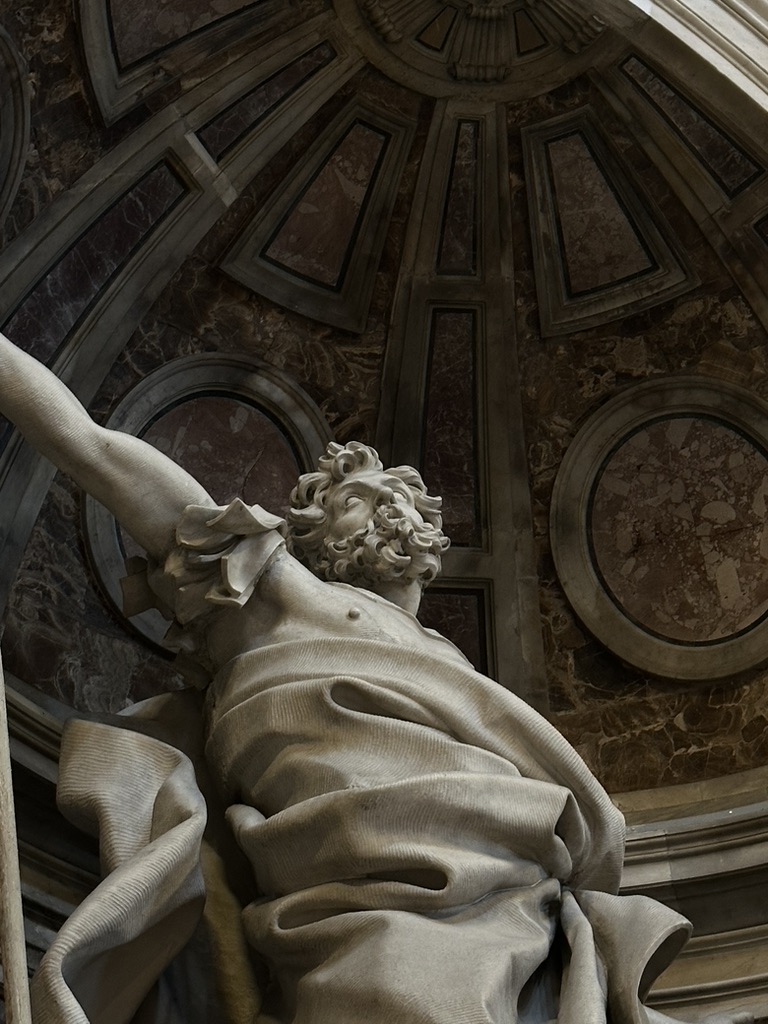
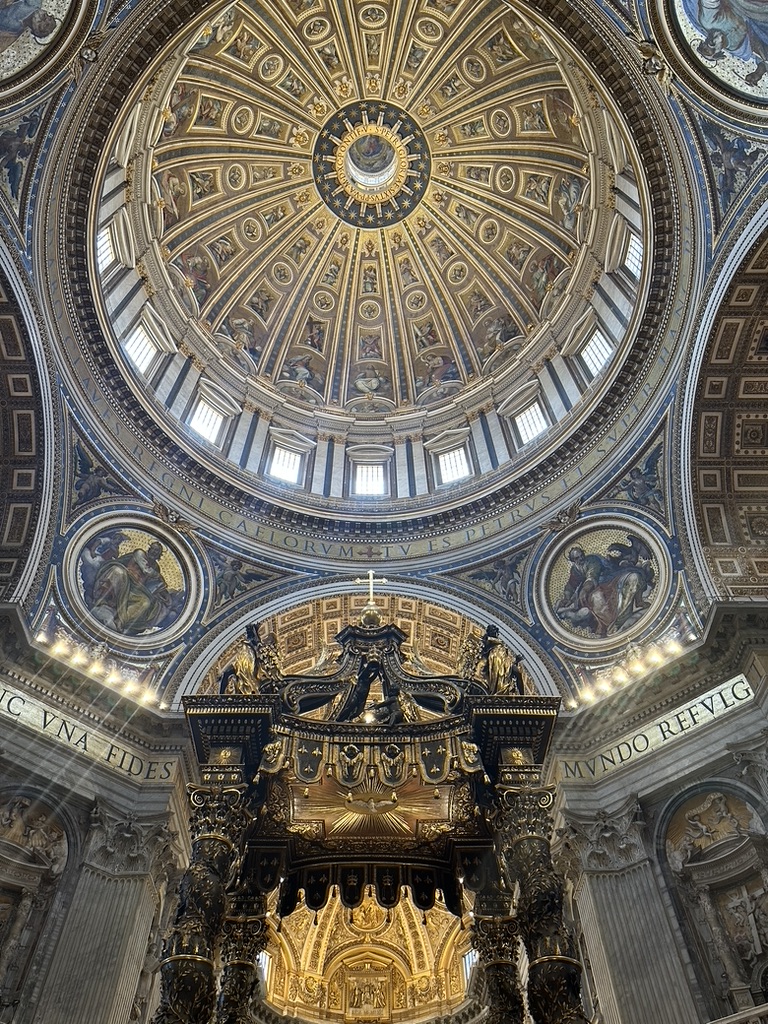
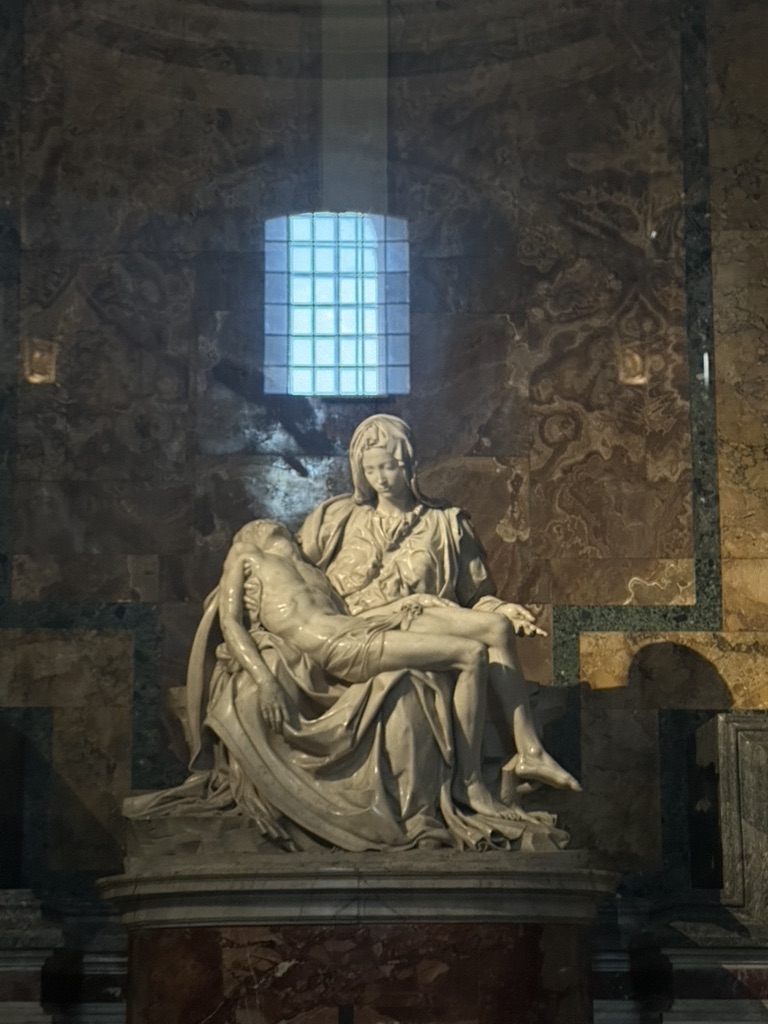
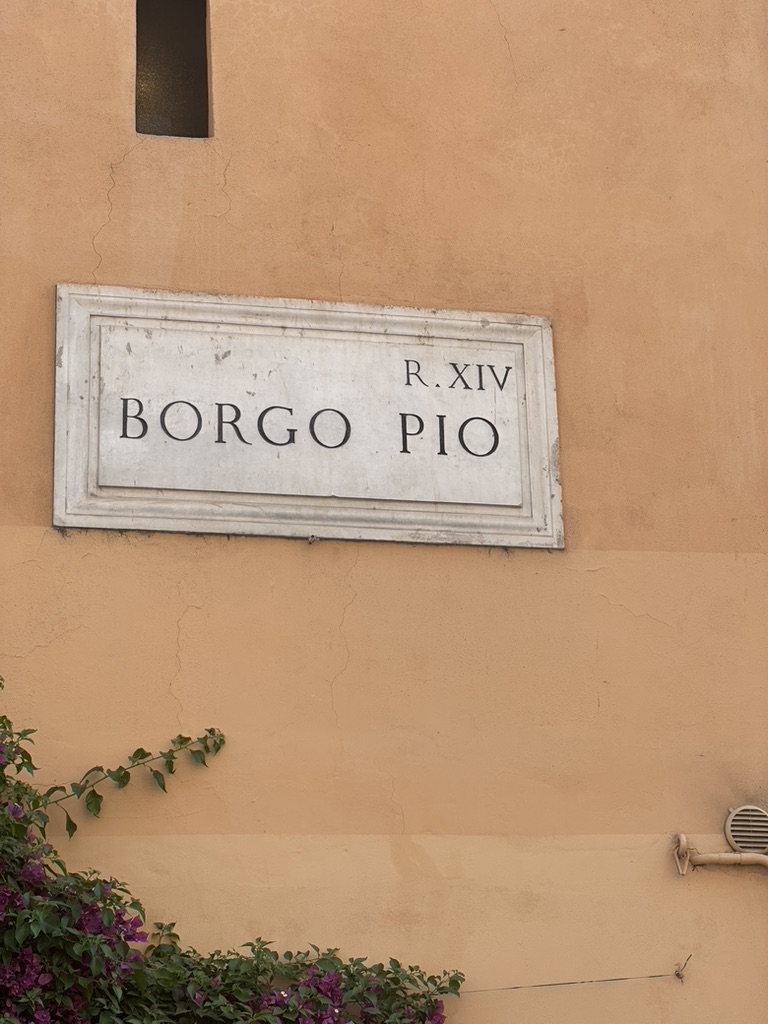
After, I enjoyed some hot (cold) chocolate with others, and I joined Isabel, Tina, and Julia’s plan to participate in the Jubilee to its fullest extent by doing the pilgrimage to St. Peter’s Basilica. Despite not being a practicing Catholic for many years, I thought, “when in Rome, do something that would please your old Catholic school teachers and Father.” We went on a long, hot, but very funny walk back to Borgo Pio, which was a 5 or so minute walk from the starting area of the pilgrimage, freshened up, and lined up with the other pilgrims. Despite not getting to hold the cross and lead the group to the Basilica and having to speed walk behind the cross-bearer, it was a wonderful experience. The church was absolutely breathtaking and I found myself almost moved to tears by it. Mass was taking place when we were there, which unlocked memories of Church from so many years ago that I forgot I even had; maybe because I had never tried to remember it until now. After getting holy water from the gift shop for family, we left the Basilica and got certificates, stating our completion of and participation in the Rome Jubilee, which I desperately need to frame and hang up!
Class was made optional due to the transit strike, but I still attended to give my presentation, and feed my new love for cartology. The museum was small but mighty; it reminded me a lot of the panorama of NYC in the Queens Museum, depicting every building in all 5 boroughs. Getting to literally walk on the ancient city gave a whole new dimension and made the entire purpose of this class come full circle for me. We are experiencing the present and the ways it is molded and shaped by the past, through power, archaeology, religion, and culture. We experienced this modern ancient city and learned of the legacies which it upholds and destroys.
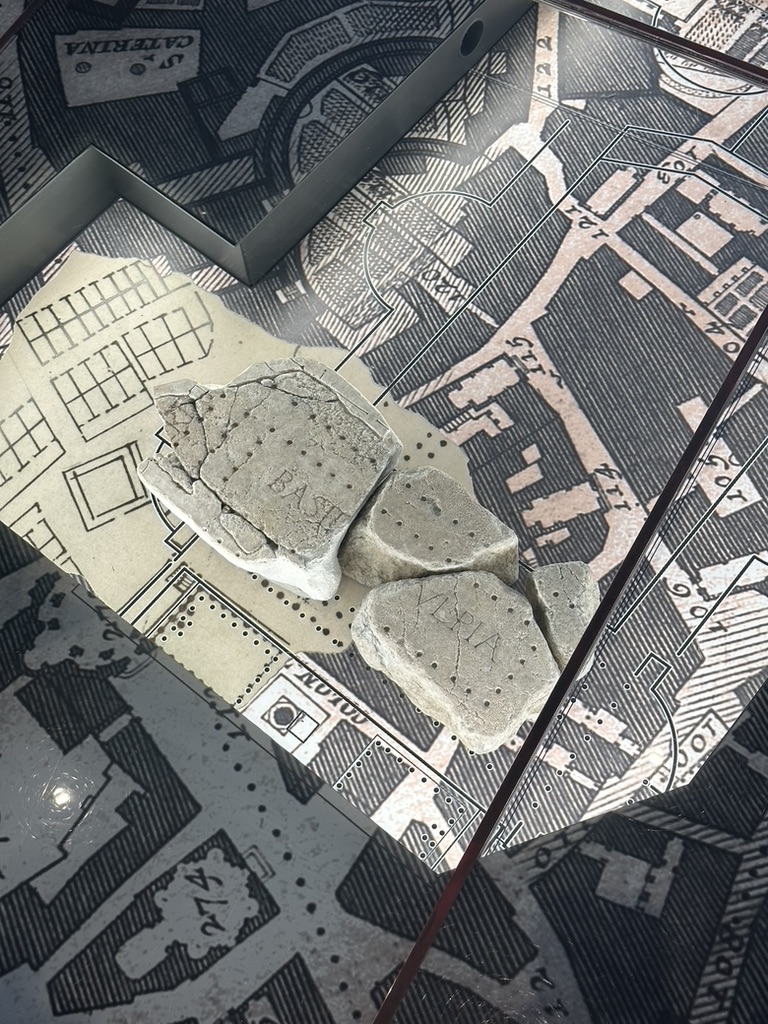
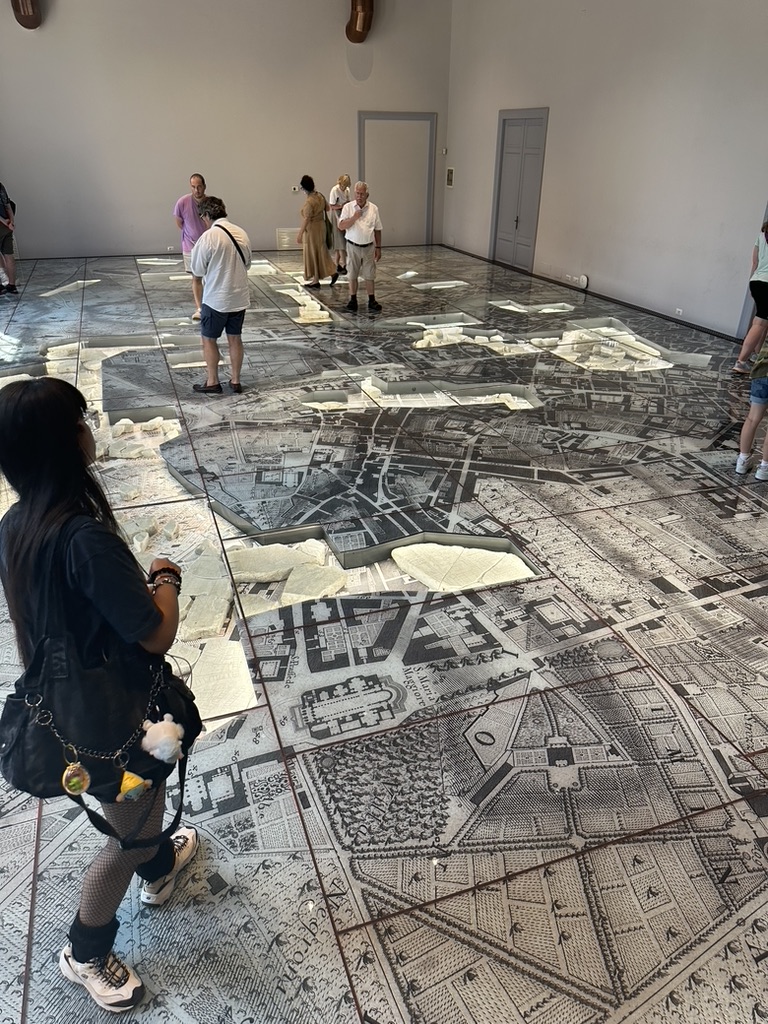
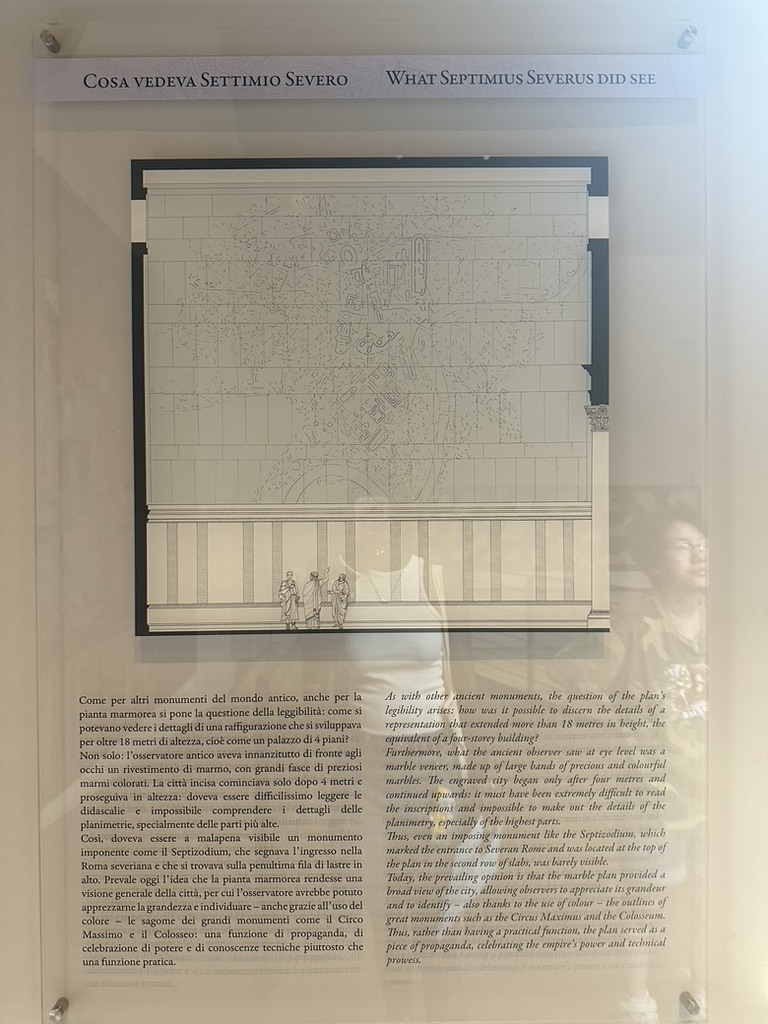
It was fun getting to see famous landmarks on the map, and try to find where our apartment is. I find maps particularly interesting because of the way they can distort our understanding of significance and importance. The blurb on the wall talks about how “great” monuments like the Circus Maximus, which, in its prime, “could hold 250,000 spectators” and the Colosseum were outlined so they could be easily identified (Claridge, 299). This brings up important questions and a new way to look at this map and maps in general; what is bigger? Smaller? Outlined? Emphasized? Is this due to genuine size difference or a desire to inflate importance, or catch your eye? Everything is power, even the “objective” map.
I worried a lot about my solo presentation but it went well! Learning about Elagabalus was so interesting and I’m really glad I blindly chose this topic a couple months back. I had a great audience and great resources to help me, and the whole process reignited the interest I have in studying queer theory. One really cool reference made Zach Herz chapter was critical fabulation, which I spent almost the entire spring semester talking about in my Race and the Archive class, so analyzing the archives we have of Elagabalus, while also connecting my “experience” of critically thinking of the archives and what they mean was really amazing.
After, I went out for dinner and our last drinks with most of my study abroad buddies, and it was a great night (despite a shady bar and shadier people). This trip was absolutely fantastic and one of the best experiences I have ever had. I’m so eternally grateful for the opportunity I was given, and will continue trying to convince anyone and everyone to go on a study abroad trip in college. Thank you Professor Yarrow, thank you Borgo Pio 191, thank you classmates, thank you Rome.
Khadija Fall ❤

 Rome via Brooklyn
Leave a reply to danteclem Cancel reply