

513 words, 3 minutes read
Focus your writing on just one of the many landmarks we saw. Try to connect what you read to what you saw. What questions didn’t the books answer? Was there something you learned from being present that you couldn’t have learned from a book or a classroom lecture?
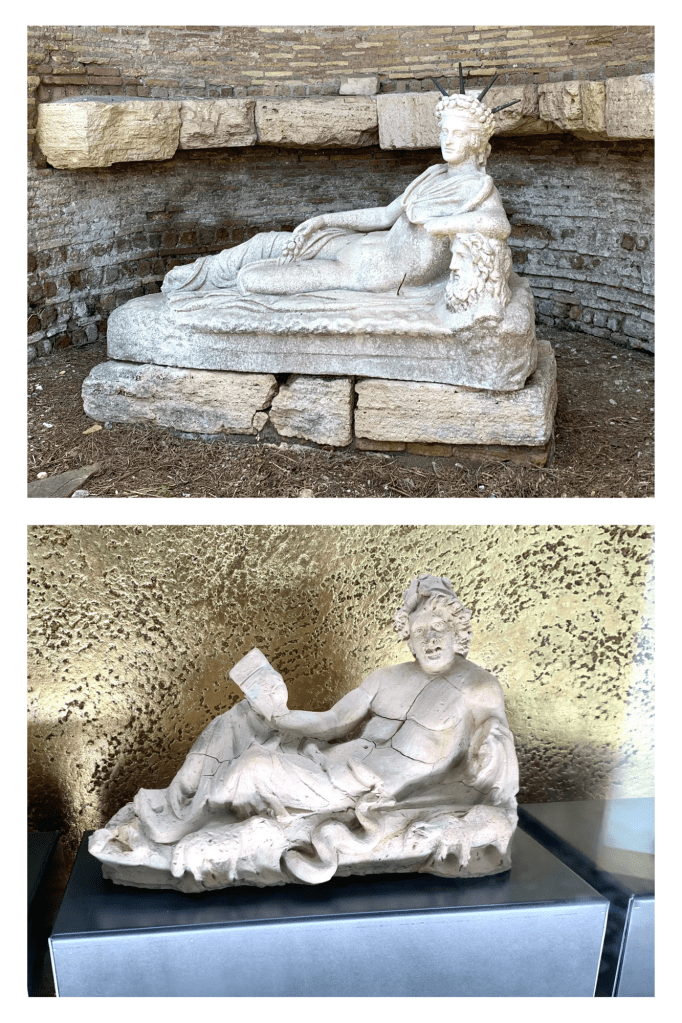
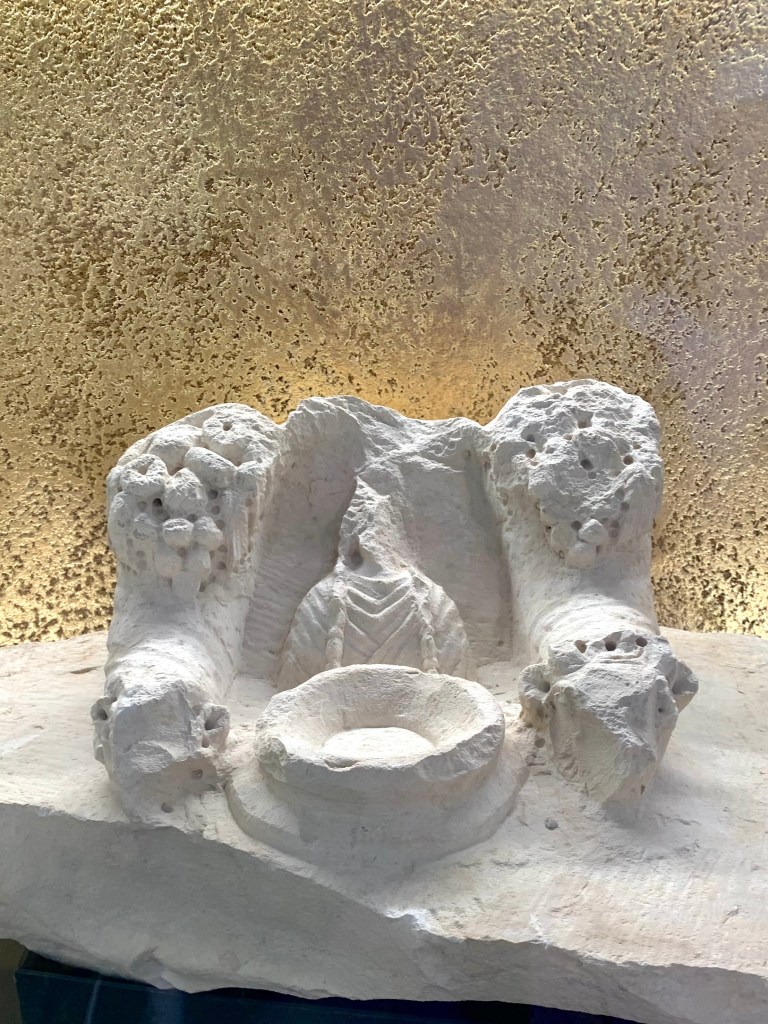
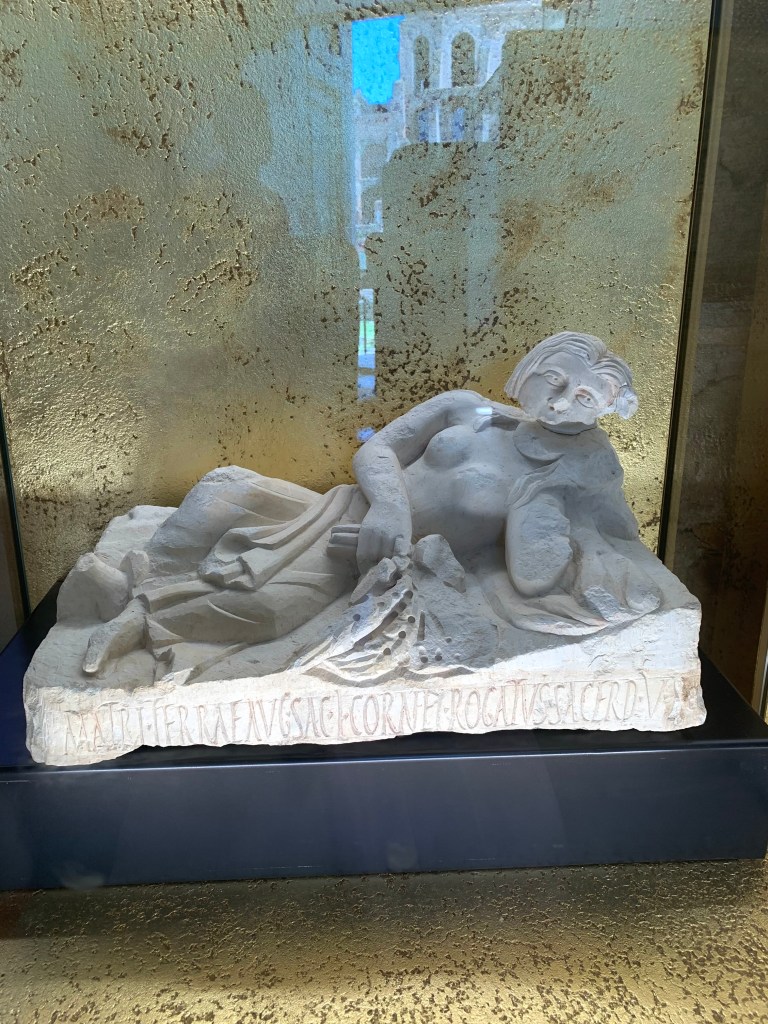
I wanted to focus on the exhibition of objects from Northern Africa housed in the Temple of Romulus. This exhibition, titled Magna Mater, Between Rome and Zama, explores the ancient ancestral divinity of the ‘Great Mother’, (also known as Kubaba, Cybele, Kybele, Meter Theon, etc. ) venerated for over a millennium throughout the Mediterranean, in both its origins and the transformations of its worship among changing landscapes and cultures. The objects at the Temple of Romulus are a first time exhibition of the excavations of Zama Regia, documenting the presence of the cult of the Magna Mater in Roman North Africa. This exhibition fascinated me, as I got the sense that these were ancient Roman artifacts, yet, something about them felt unique, idiosyncratic. It is a phenomenon I am very much interested in regarding art history, watching how religions or empires spread all over the globe, and the ways in which different people adapt to and adopt these ideas, cultures, and aesthetics, yet still intertwine their own heritage and iconography to create something beautifully unique, yet ubiquitous.
Following the Roman Republic’s conquest of Carthage in the Third Punic War, the Roman province of Africa was established in 146 BCE, also known as Africa Proconsularis. Africa Proconsularis was known as the ‘Granary of the Empire,’ exporting grain, olive oil, and other agricultural products to other parts of the Roman Empire. As a part of this province, the ancient city of Zama Regia, now what is current day Henchir el Jama, Tunisia, was a Numidian city and royal residence, as well as one of the most important centers of Masinissa’s kingdom. Located nearby Zama is the town of Siliana, where many Roman ruins have been found, including a Roman villa, a nymphaeum, two temples, and a Byzantine citadel. One of the temples displays a layered cultic history with worship to both local deities and to Cybele, the Phrygian moniker of the Magna Mater. The objects at Zama reveal the complexity of the cults practiced in this region, with a variety of subjects and visual imagery. The other temple was dedicated to Attis, the Phrygian vegetation deity, and the exhibition at the Temple of Romulus had several sculptures of the god on display. I found it interesting to compare and contrast from the statue we had seen over the weekend at Ostia, at the Sanctuary of Attis.
.
.
.
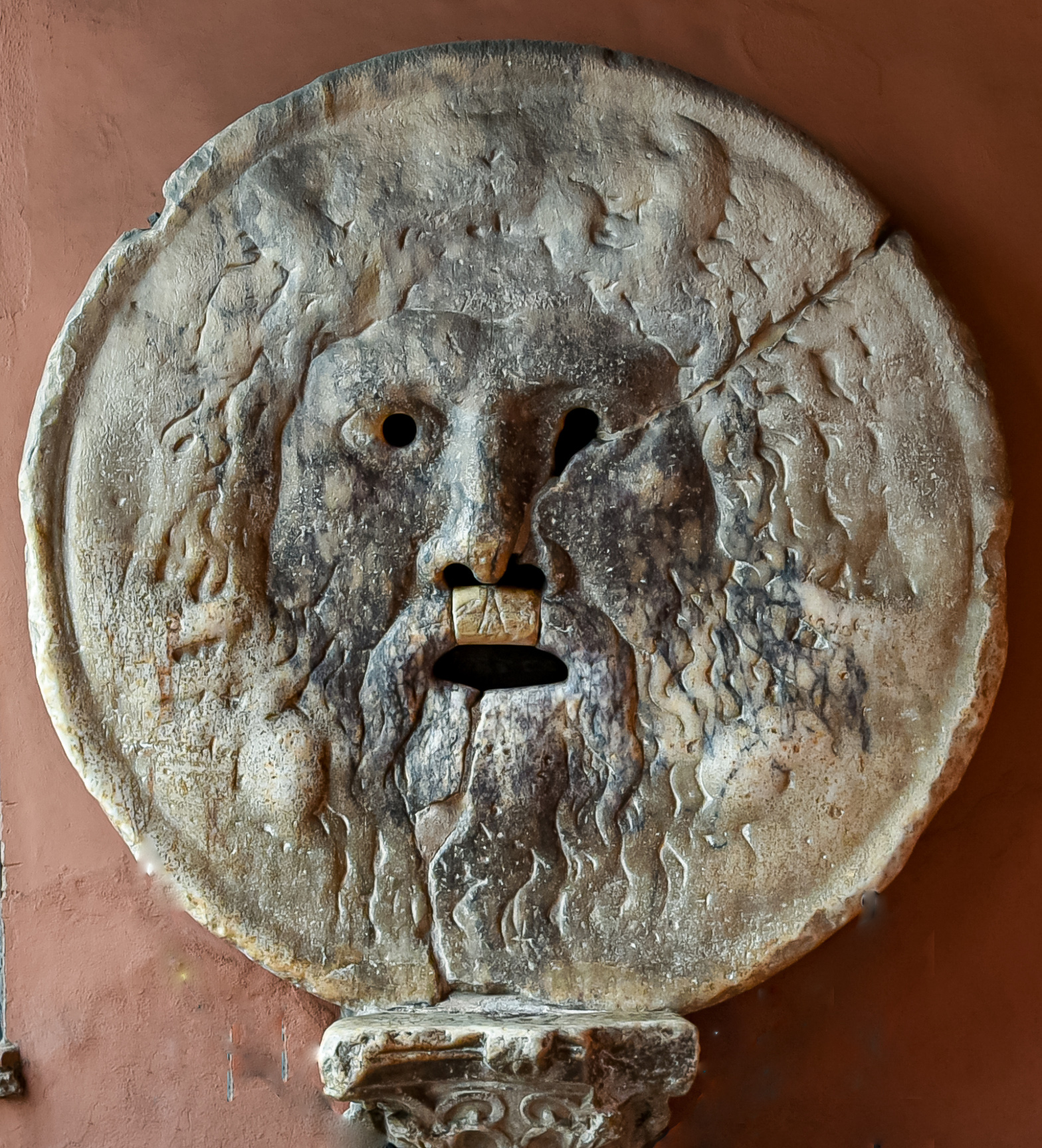
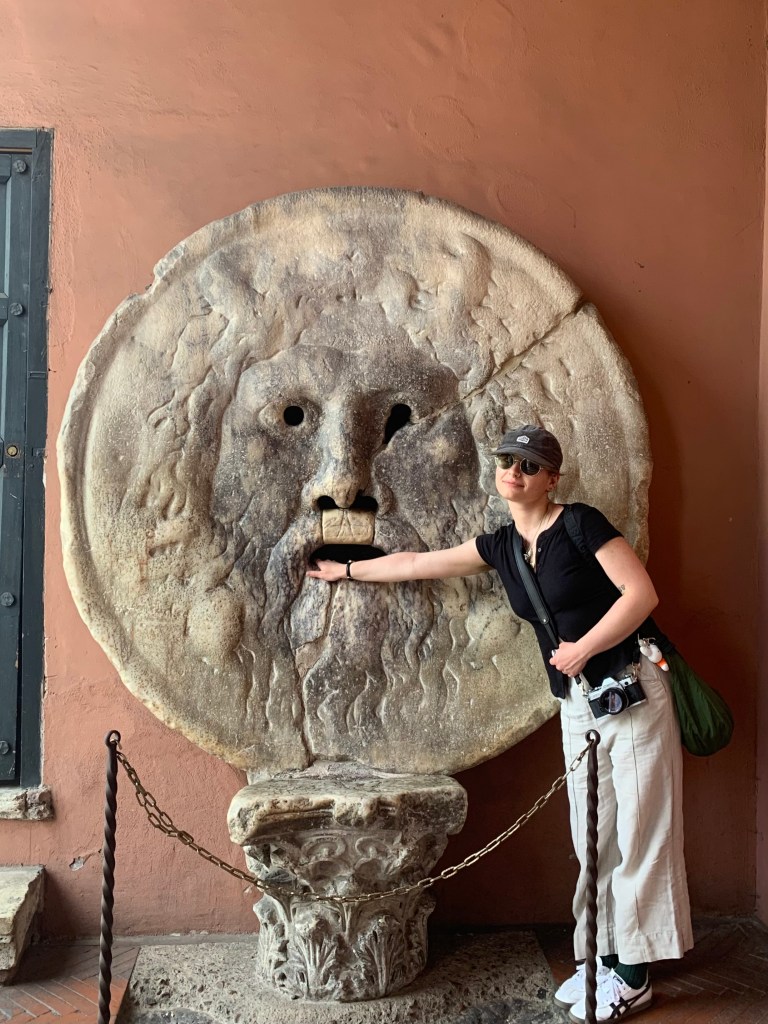
(Also… here is a bonus photo of me at the Bocca della Verità from this day!)
 Rome via Brooklyn
Leave a comment