

921 words, 5 minutes read (double post)
Focus your post on just one museum object or at most two (say a compare/contrast). What about it reminded you of things we’ve seen earlier on the trip and why? Does it speak to any of the following themes: militarism, the role of women, the role of religion, social hierarchies, other themes? Please also consider sharing your Neapolitan adventures with photos just for fun (and maybe some extra credit)!
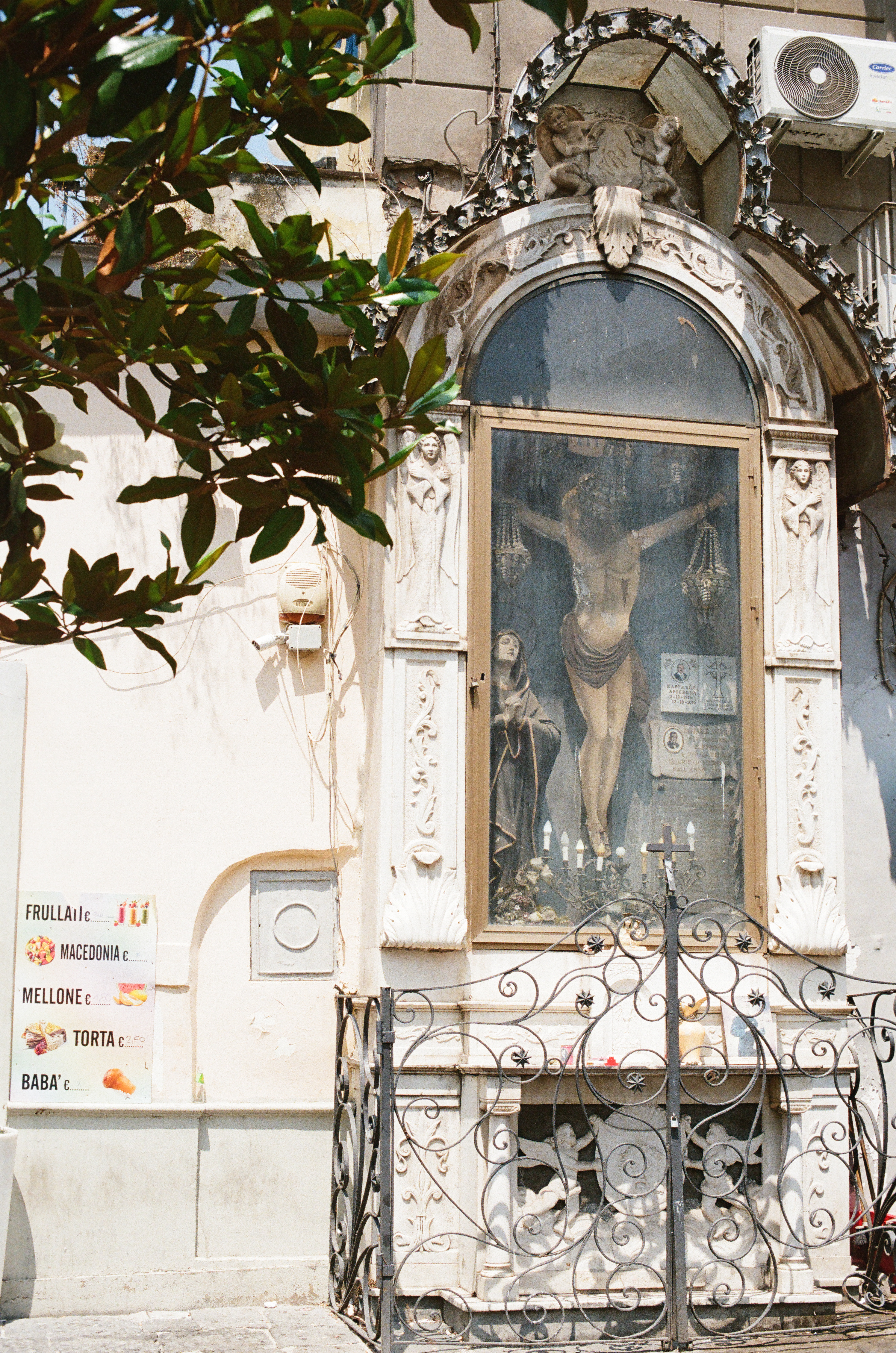
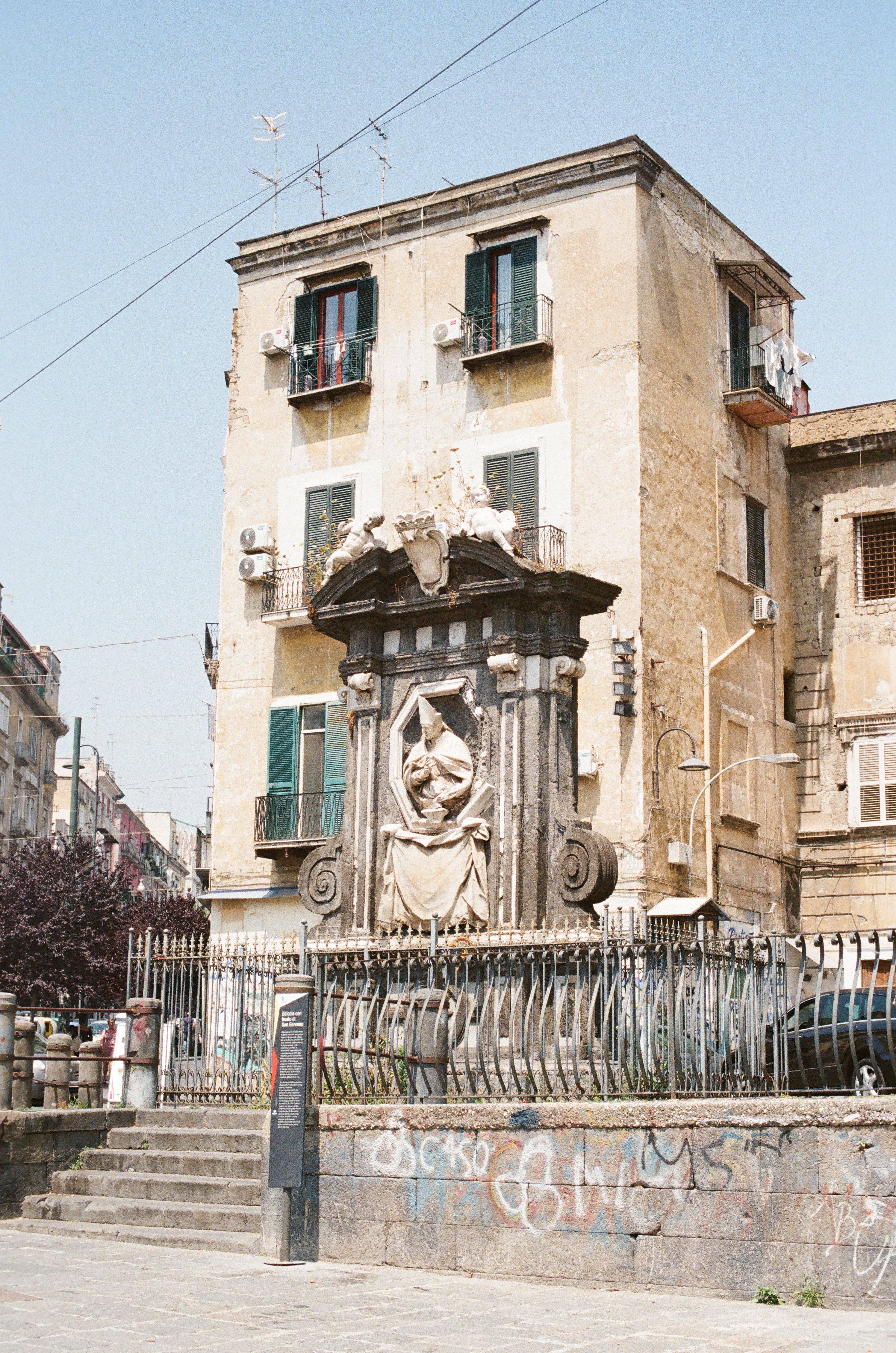
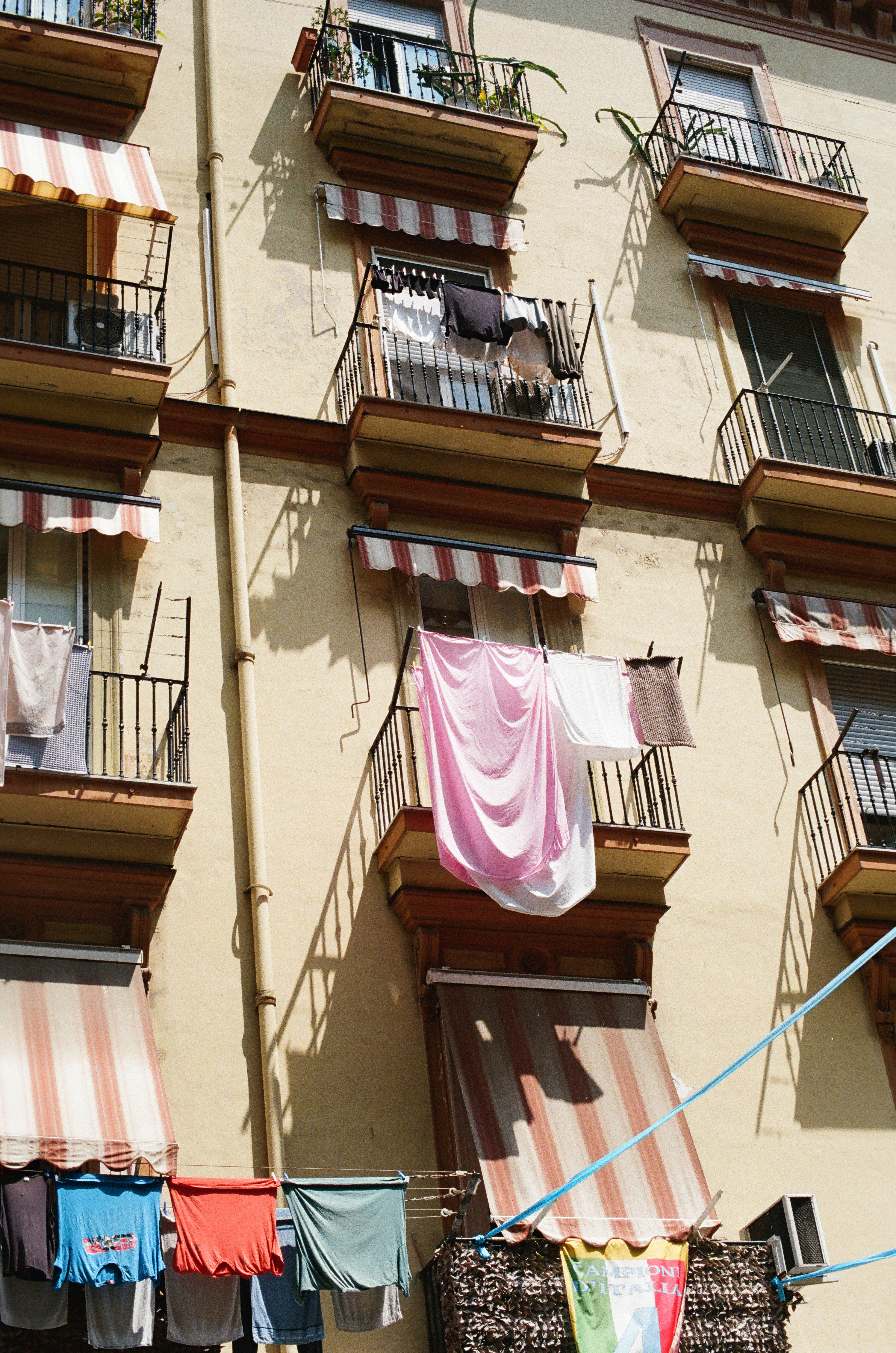
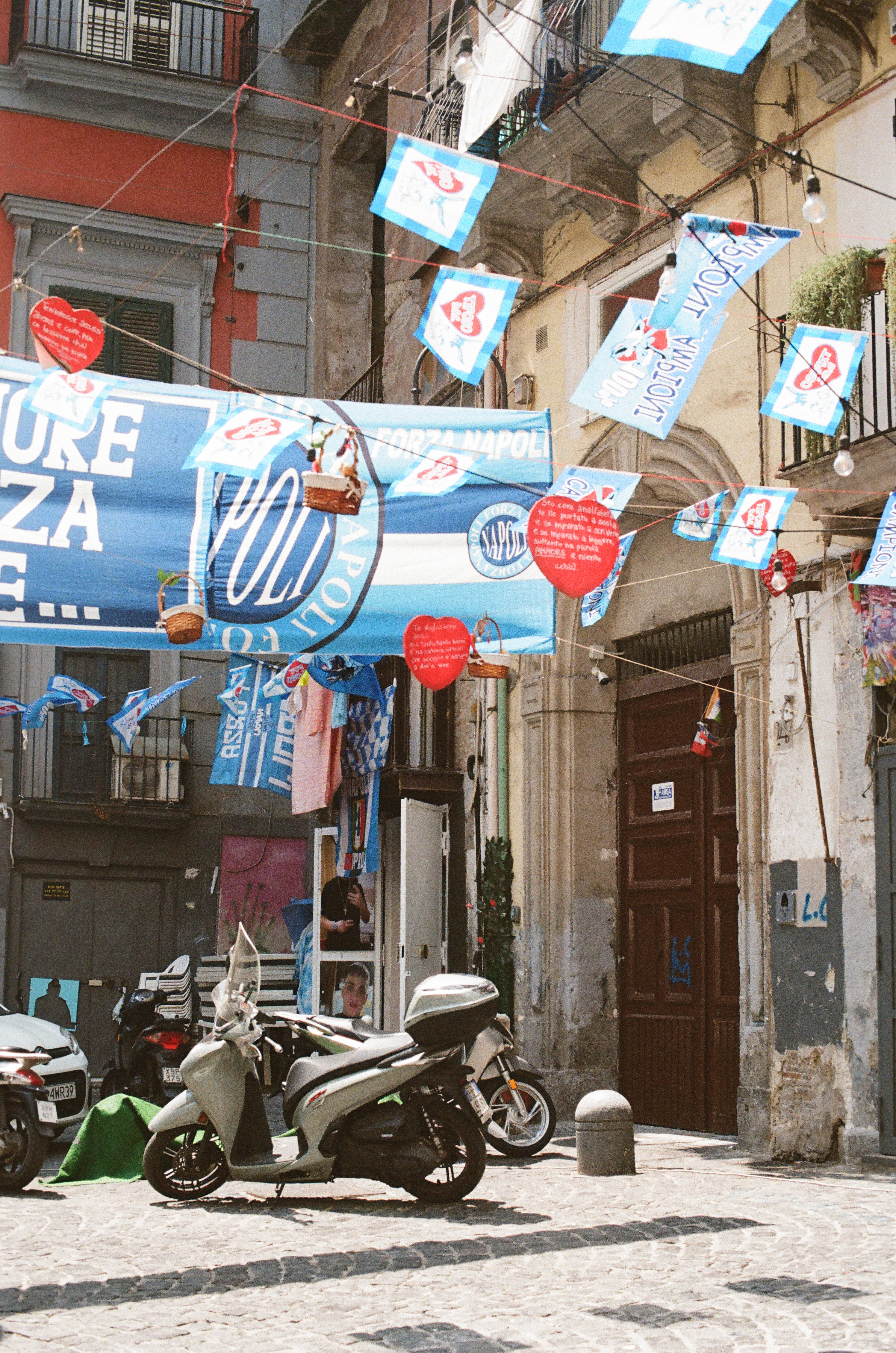
Naples was truly an incredible city, and the Museo Archeologico Nazionale di Napoli was one of the most amazing museums I have been to! From witnessing Mount Vesuvius for the first time on the train ride, to walking through the remains of the Renaissance city gate of Porta Capuana, to witnessing a wedding in the breathtaking Duomo di Napoli, and lastly, to traversing through the narrow, bustling, ornamented (at at times overwhelming) alleyways of Naples, it was such an unforgettable experience. The city is filled to the brim, its energy electric, its colors vivid.
The Museo Archeologico Nazionale di Napoli had an abundance of art that I found both to be so beautiful and inspiring, in addition to the objects in the Gabinetto Segreto that are just so wonderful and magical to see. From the gentle sculptures embodying Pudicitia, to the wonderful speckled granite and marble statues of panthers, to the absolutely marvelous sculptures of wounded warriors with sinuous lines of marble blood, to the mythological frescoes that were nothing short of extraordinary, there was really so much to be in awe of!
I want to compare the sculpture of Diana Efesina (2nd century BCE) from the Capitoline Museums and the Artemis Ephesia (2nd century CE), from the Museo Archeologico Nazionale di Napoli. However, I want to point out their similarities, despite being dated two centuries apart from each other, to show just how strong and rich the visual language of the Roman empire was, in spite of, or perhaps because of the syncretism that occurred in the ancient world. This additionally calls back to the “Magna Mater’ I discussed in my previous post regarding the exhibit at the Temple of Romulus.
Artemis Ephesia, also known as Diana Efesina (the Roman equivalent) finds her roots as one of the most worshiped deities of the ancient world, dating back to ritual remnants found at Çatalhöyük, in the 6th millennium BCE. Artemis Ephesia, as the Greek denomination of the indigenous deity typically identified as Kybele or Hekate, had a compound identity, as she retained both the many of the traits of her Anatolian predecessor and still distinctly inhabited the traits of traditional Greek Artemis. She served as the patron goddess and protector of the city Ephesos, from which she gets her name. This was not her only role however, as she also was the goddess of transitions from childhood to adulthood and fertility.
Artemis was a multivalent goddess: she served many different roles for many different people. Her cult of worship was varied, spanning all different times and landscapes. Her devotees were not a monolith, however, as they exhibited a diverse relationship of worship that inhabited its own unique set of cultural practices. The Artemis of Ephesus is depicted with a multitude of breasts, recalling the fertility attribute of the goddess Kybele, as well as the the lions, rams, and bulls that ornament her body, in her connection to nature and wildness.
Artemis is also connected to the goddess Hekate, as their regions of worship were in proximity and as the goddesses’ role as a nurturer of the young, who was worshipped in liminal places. The turret-crown on the head of Artemis Ephesia’s cult statue symbolizes that she, like Kybele, oversaw the well-being of her people. The Ephesians even referred to themselves as the ‘nurslings’ of their goddess. There is also record that attests to Artemis Ephesia’s protection from an attack, where the Ephesians saved their city from being destroyed by the invading Lydian king Kroisos by connecting the walls of the city to the sanctuary of Artemis with a rope, claiming that the whole city was thus enclosed within the sacred space of the goddess, as an impenetrable place of refuge. Her role as protector is very visibly palpable, as her stance is grounded, her feet firmly planted in the ground. She is balanced, symmetrical, and decorated with emblems of both wildness yet domesticity, holding her hands out in an open position, as an entity of both protection and shelter.
In many ways, Artemis Ephesia is the antithesis to Pudicitia, yet, in many ways, oddly similar. I find it so fascinating that two depictions of female goddesses, one ‘explicit’ and highly decorated, the other modest and simple, can both serve as entities that provided protection. They could coexist, and were not inherently in contradiction to another, echoing the early conversation regarding modes of being, and also calling to mind the cult of the Vestal Virgins, who took on a complex and at times contradictory role in ancient life. Nonetheless, the role of women proved to be multifaceted, and worship in itself was heterogenous, often representing an amalgamation of cultures, peoples, and time periods.
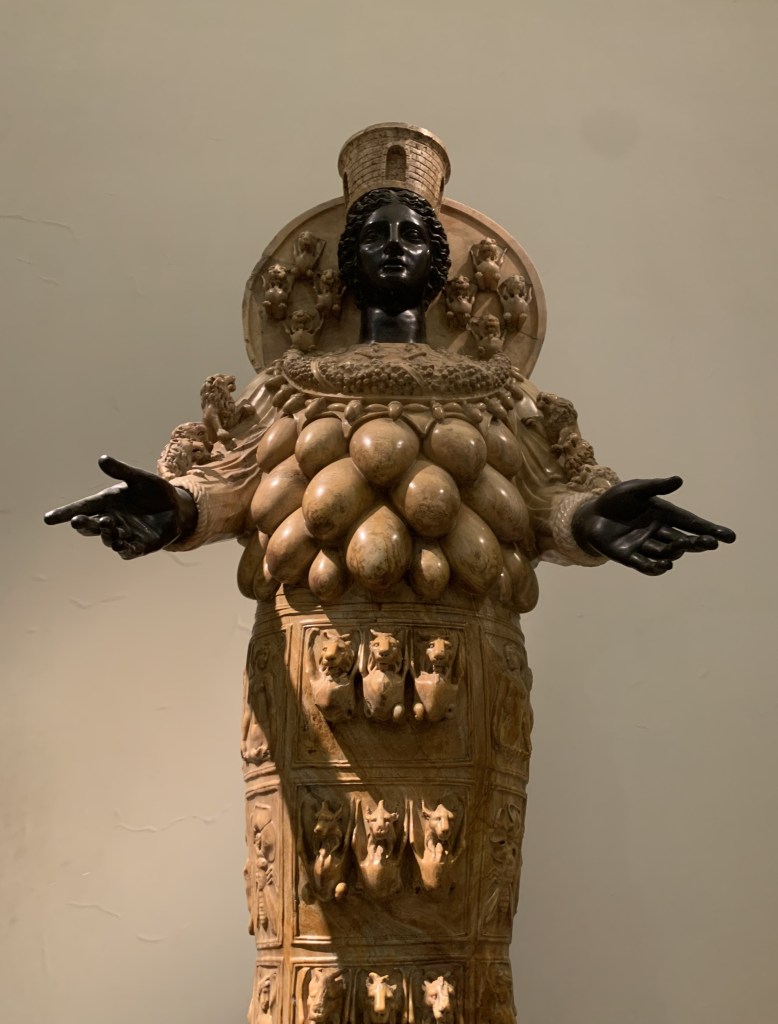
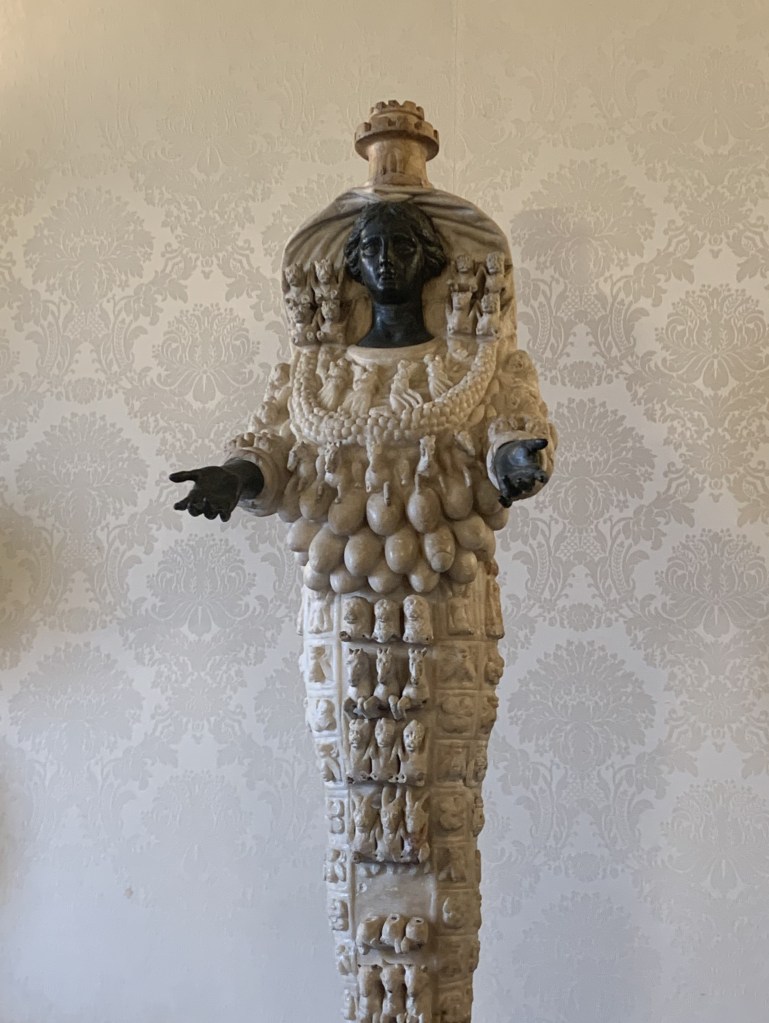
Artemis Ephesia (2nd century CE), Museo Archeologico Nazionale di Napoli, and Diana Efesina (2nd century BCE), Capitoline Museums
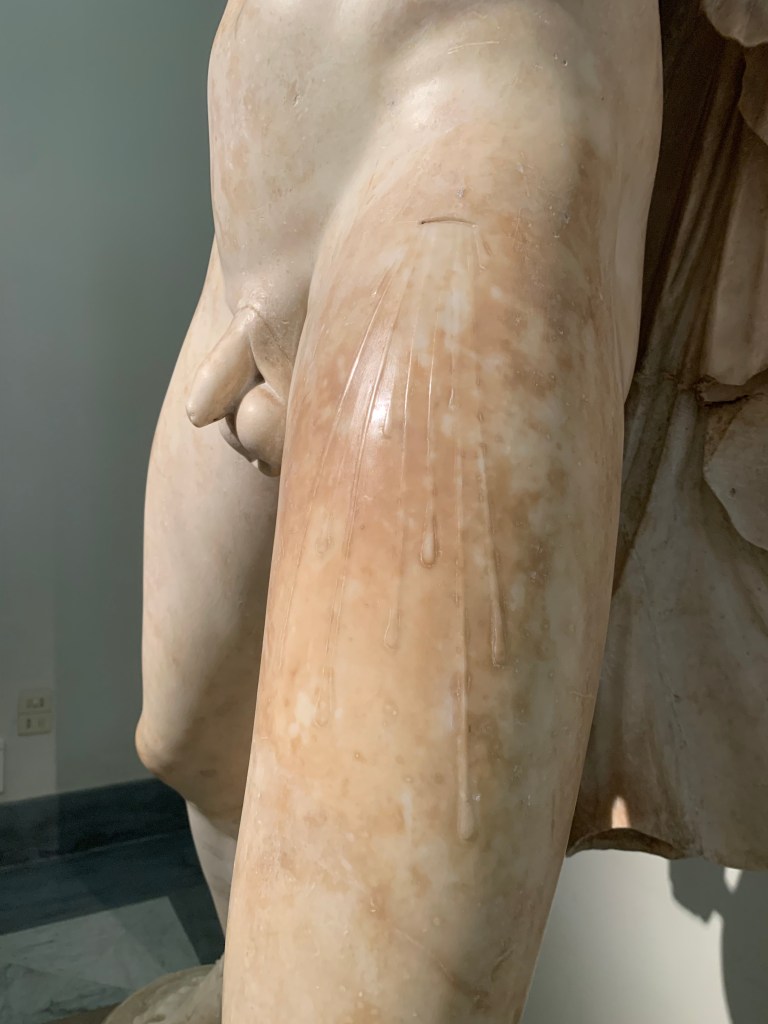
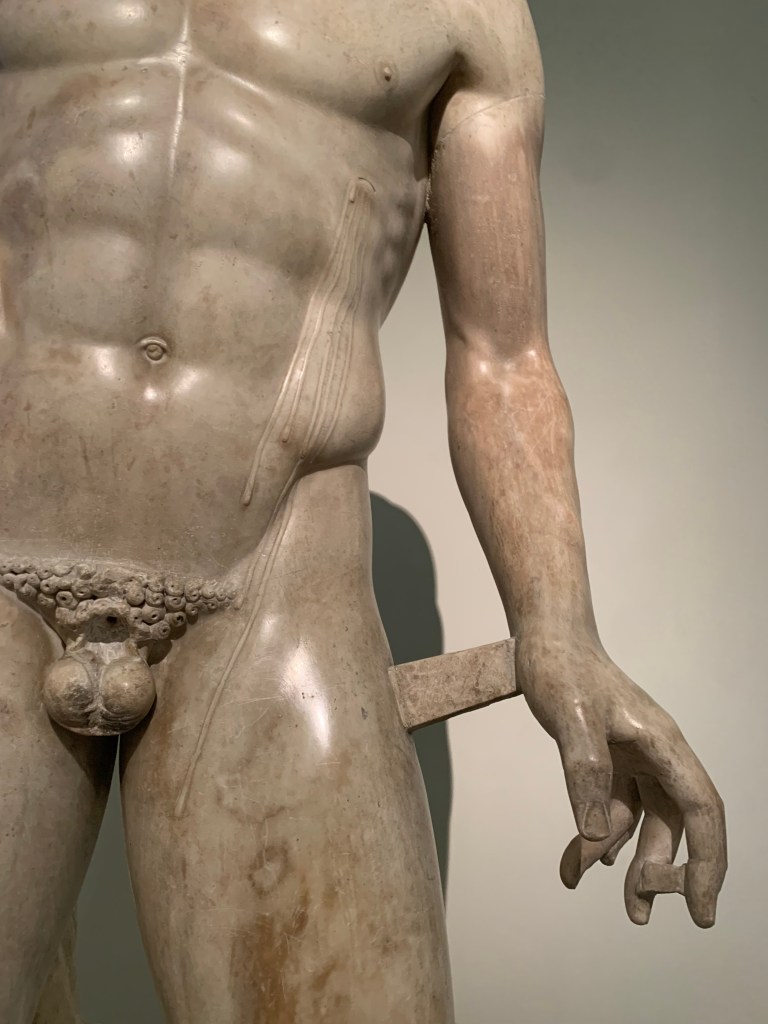
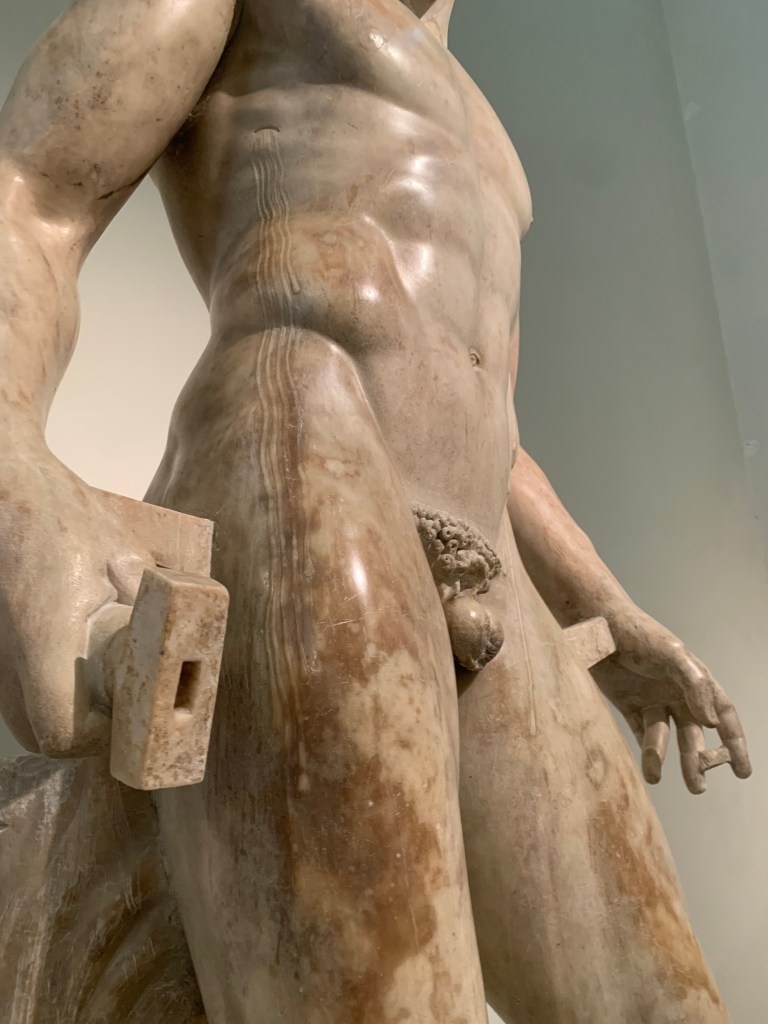
Wounded warriors, marble, 2nd century CE, Museo Archeologico Nazionale di Napoli
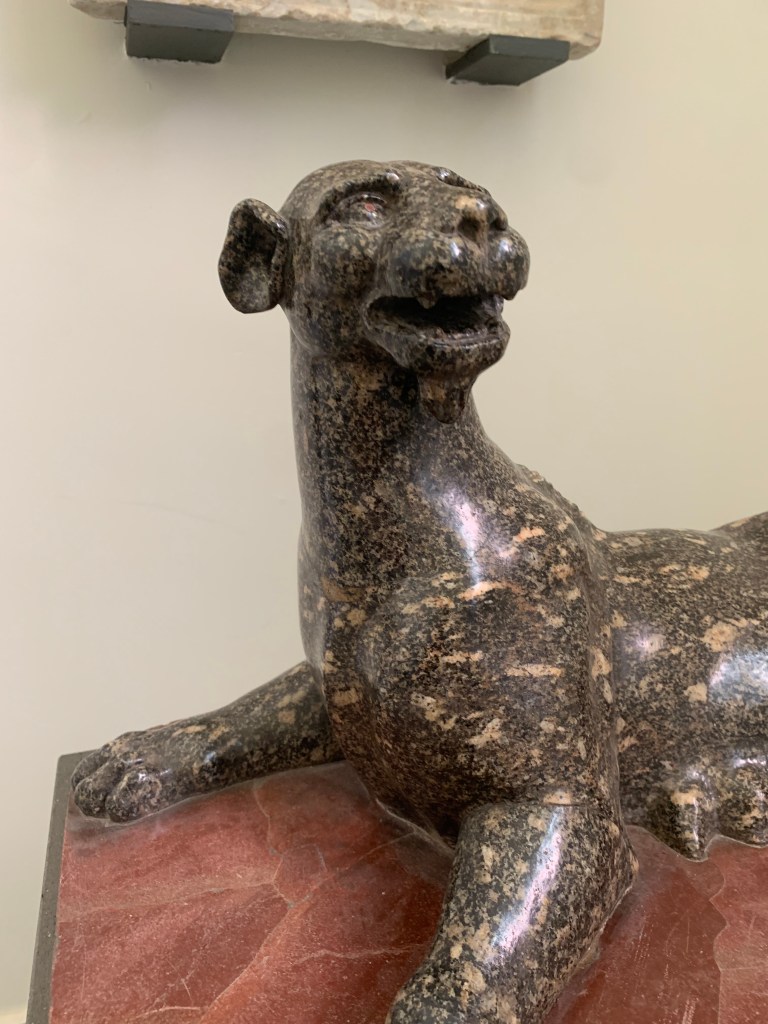
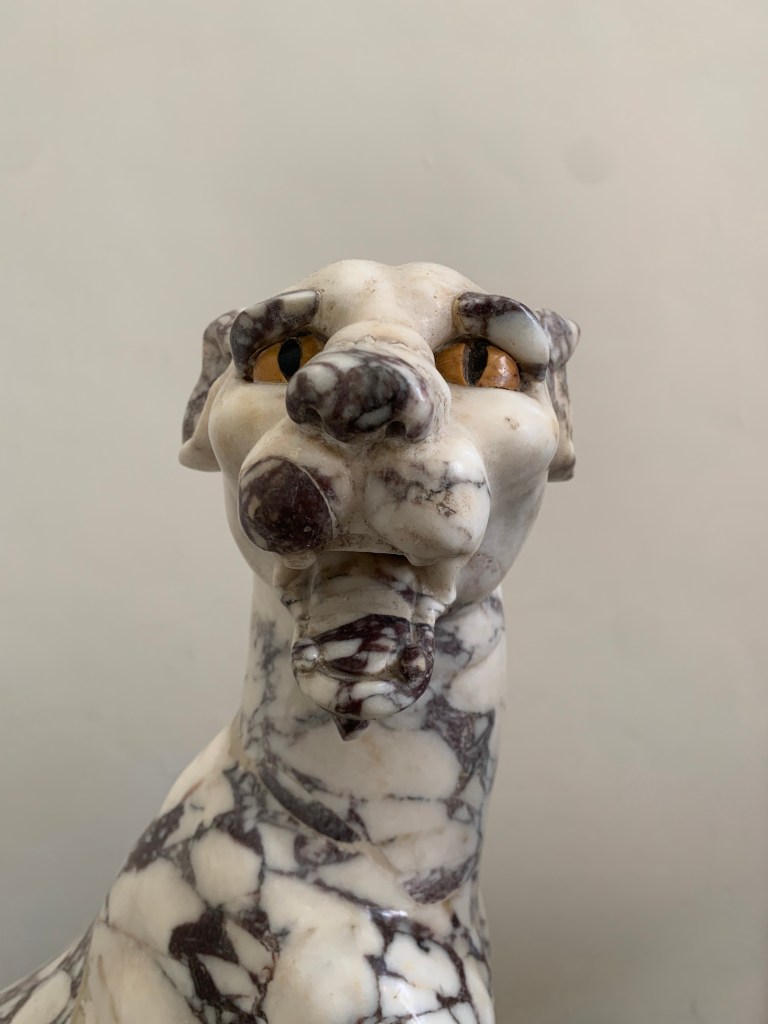
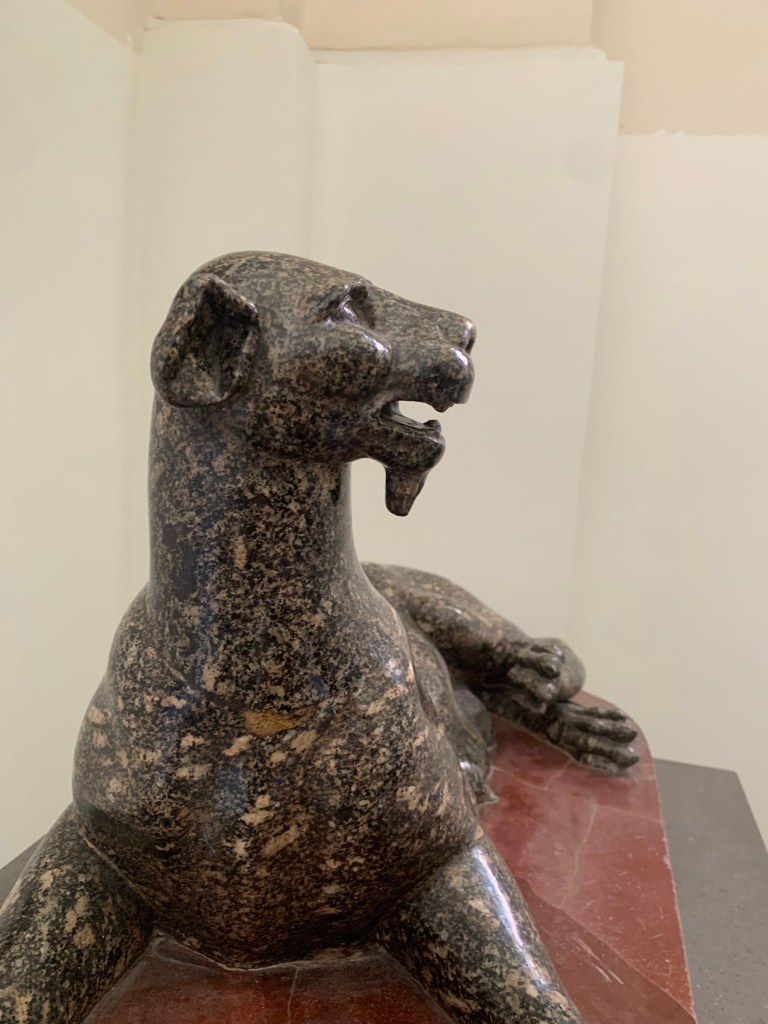
Statues of panthers, typically found in Dionysiac processions, 1st century CE, Museo Archeologico Nazionale di Napoli
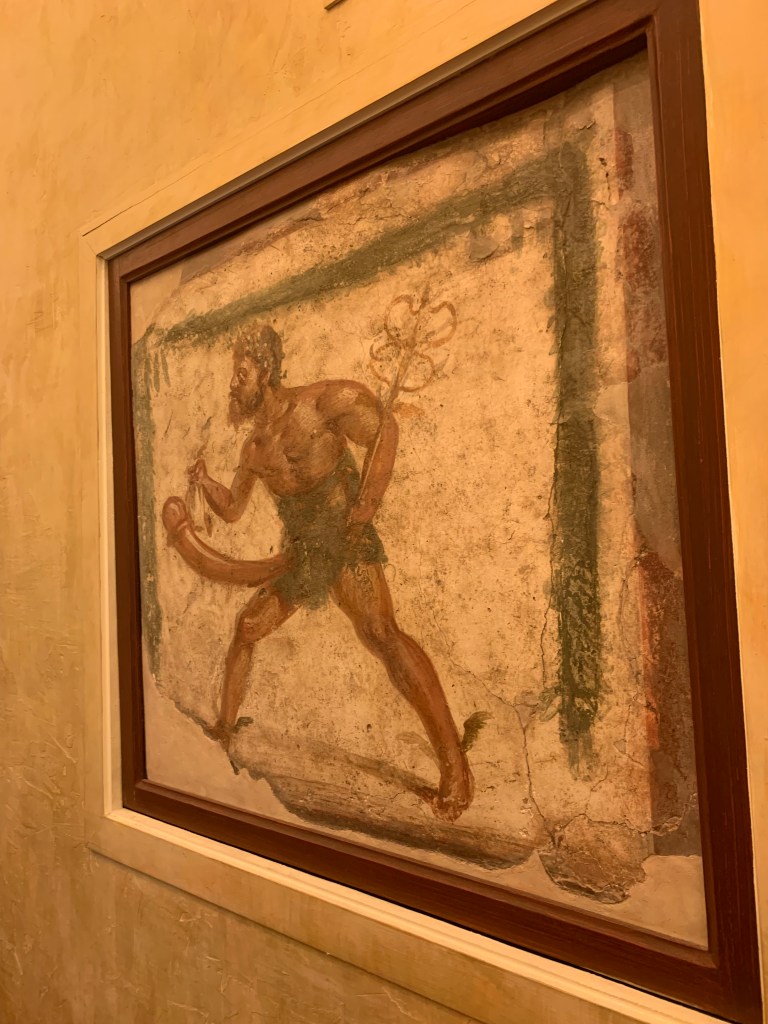
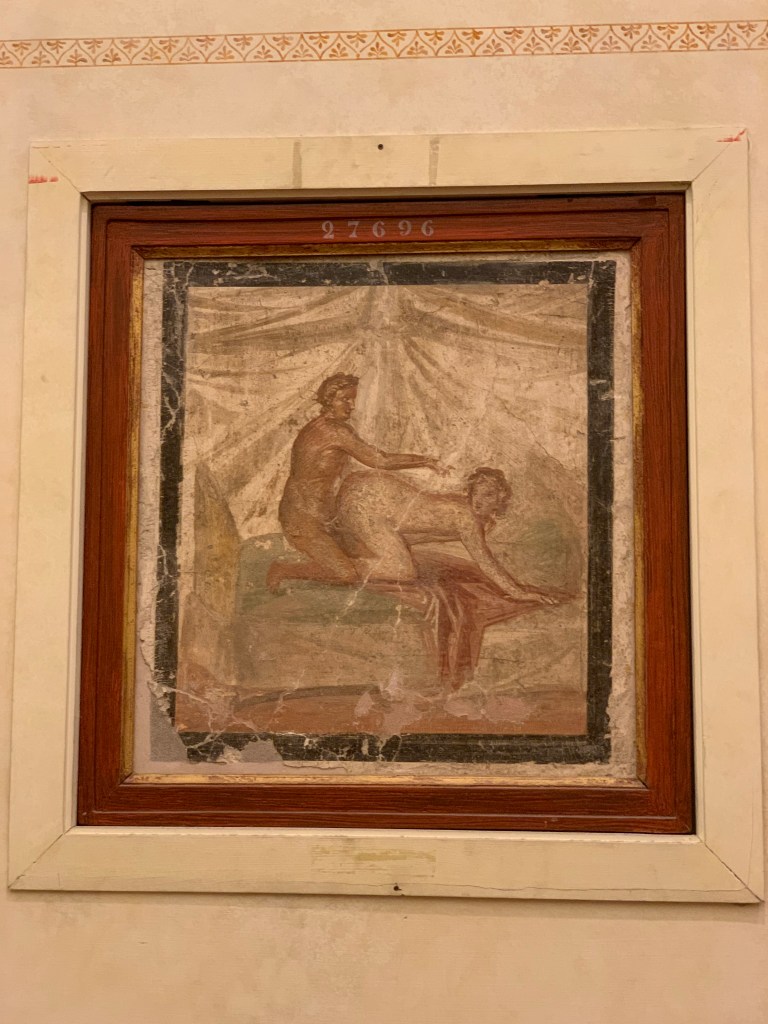
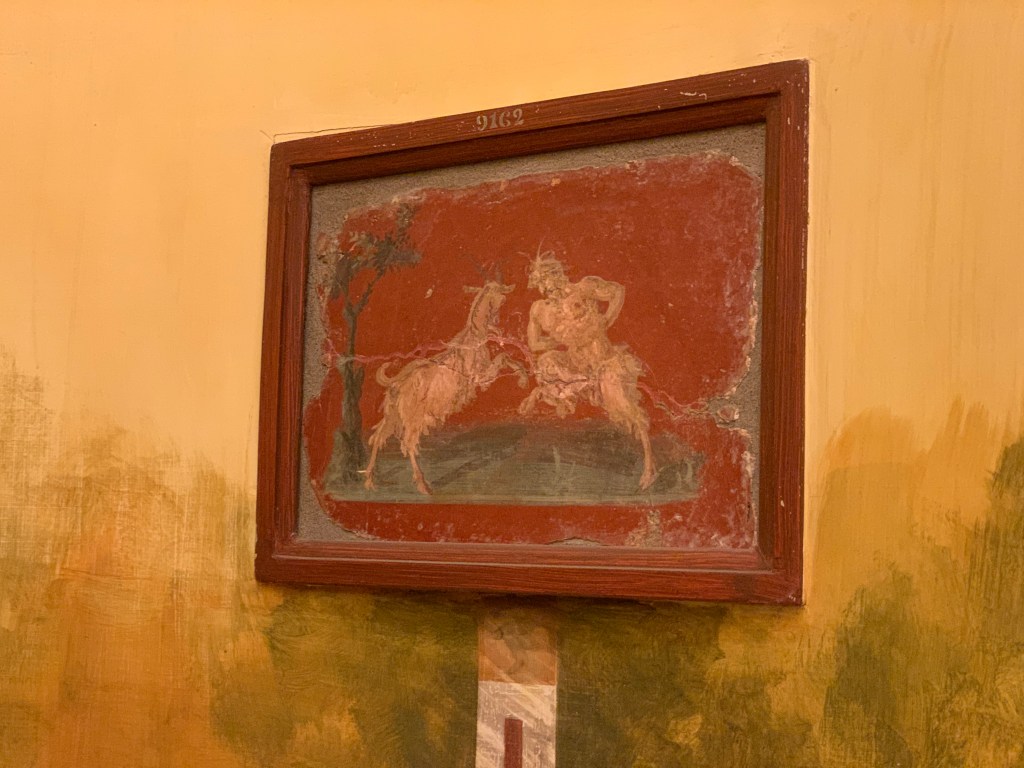
Frescoes from the Gabinetto Segreto, Pompeii, 1st century CE, Museo Archeologico Nazionale di Napoli
.
.
.
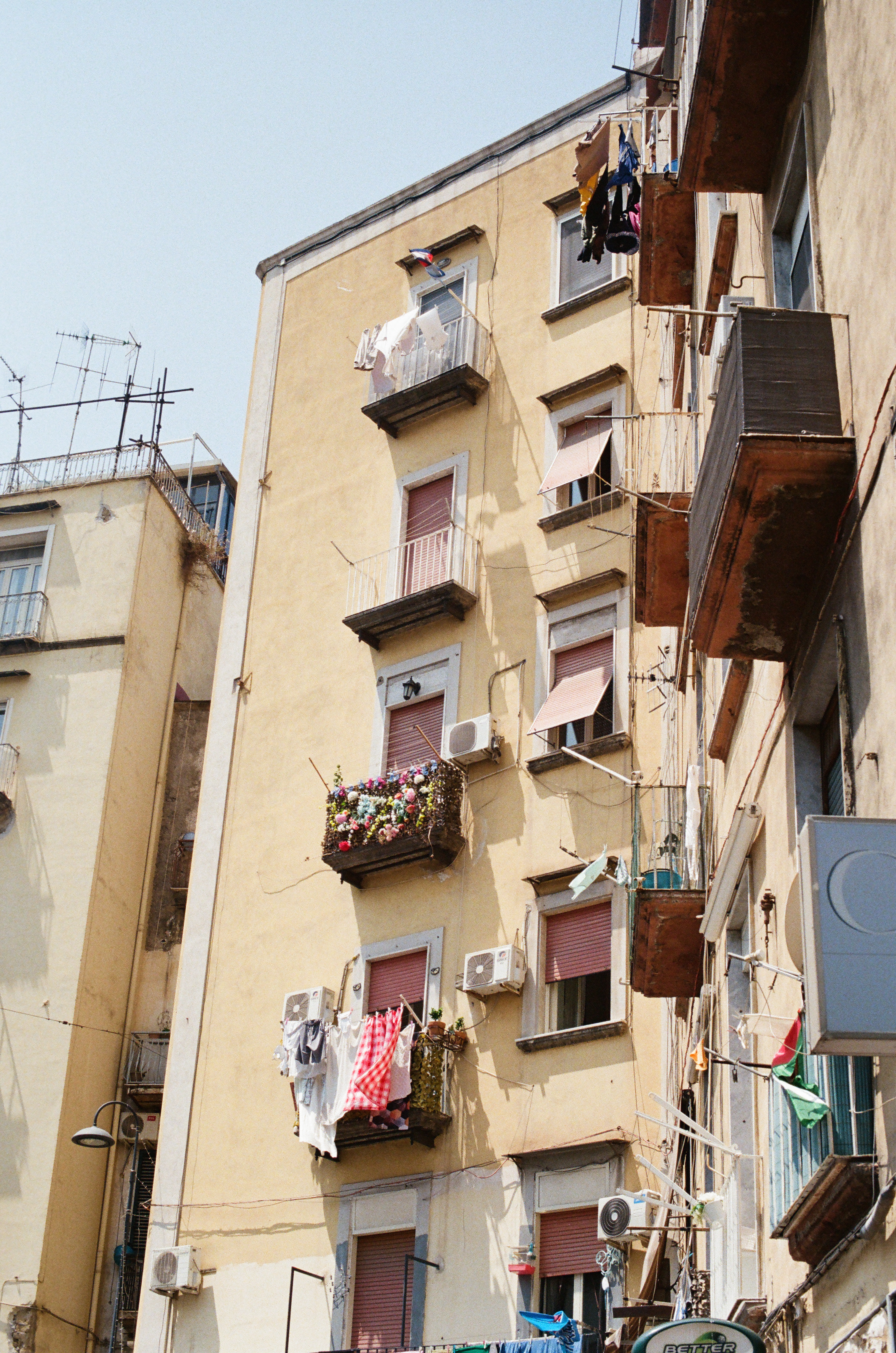
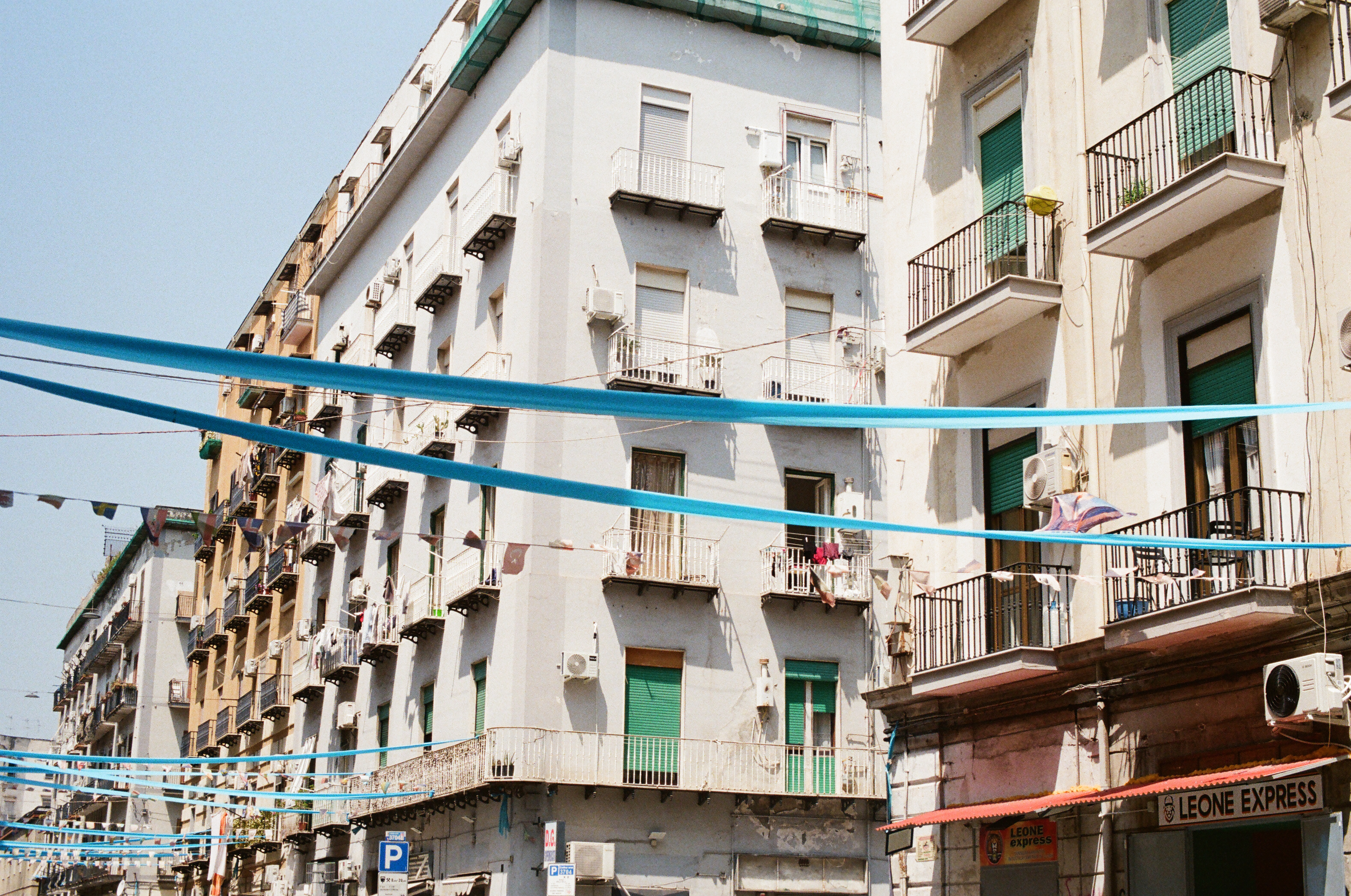
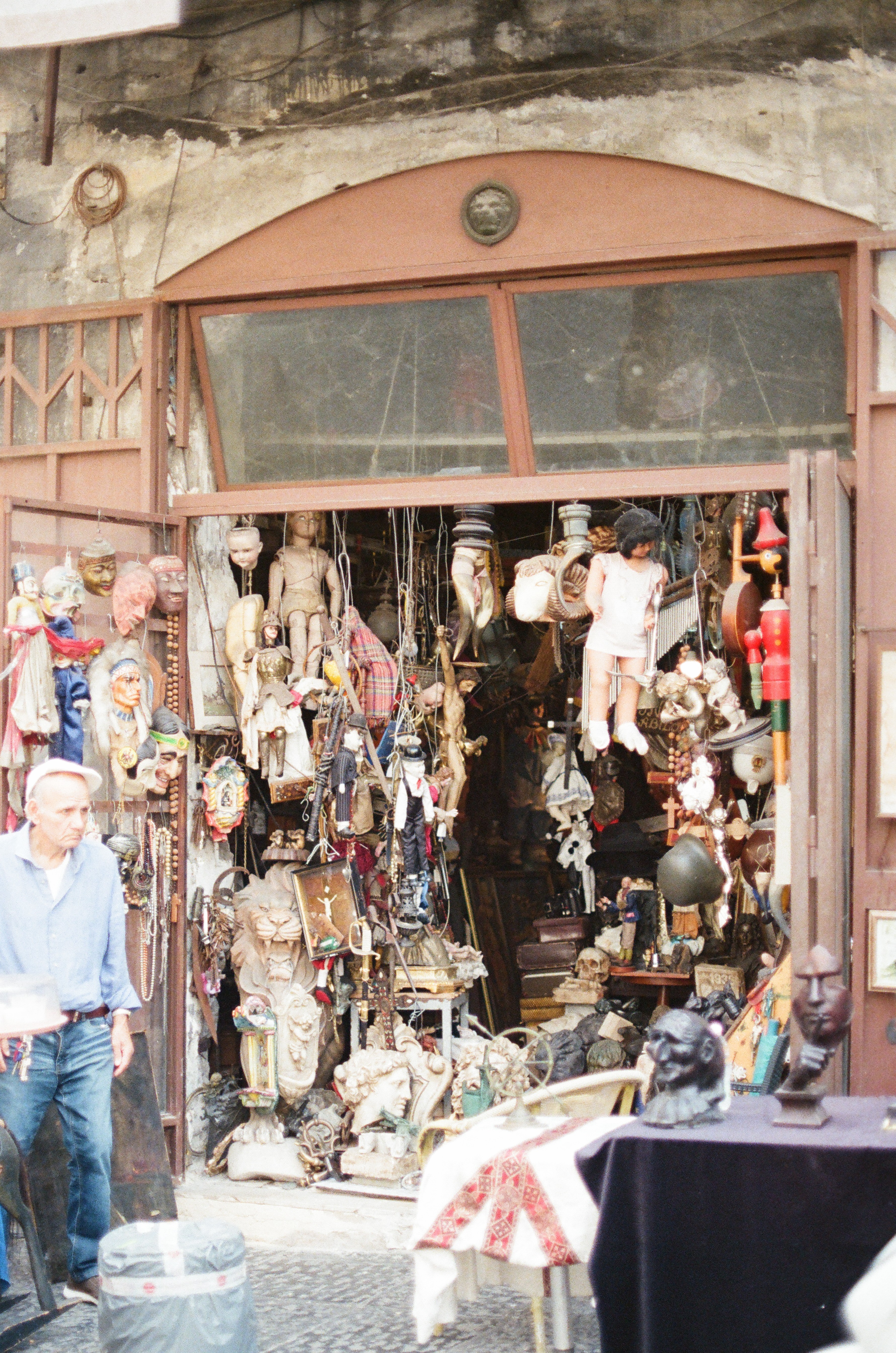
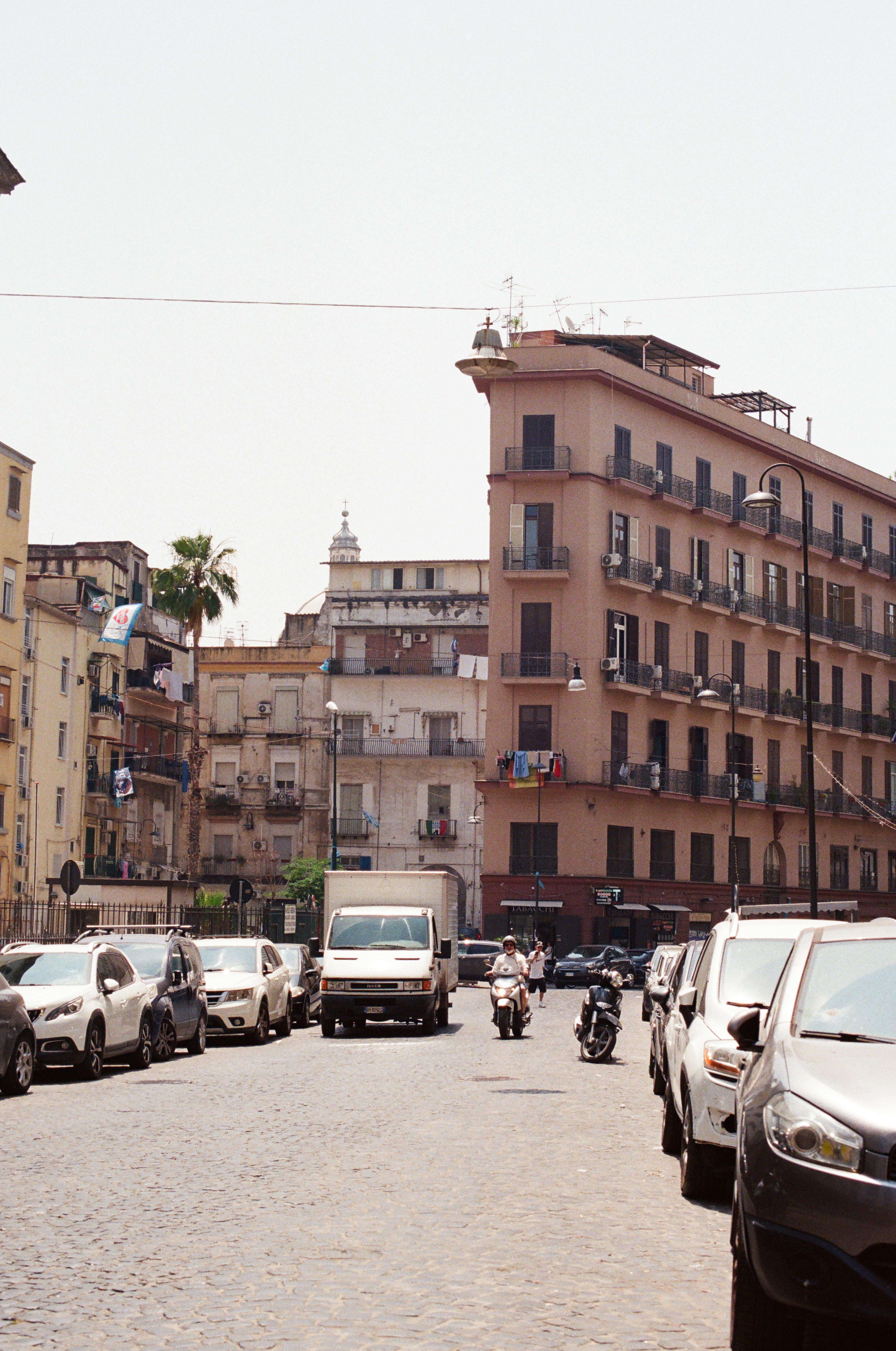
(Bonus: Naples on film)
 Rome via Brooklyn
Leave a comment