
(855 words – 5 min read)
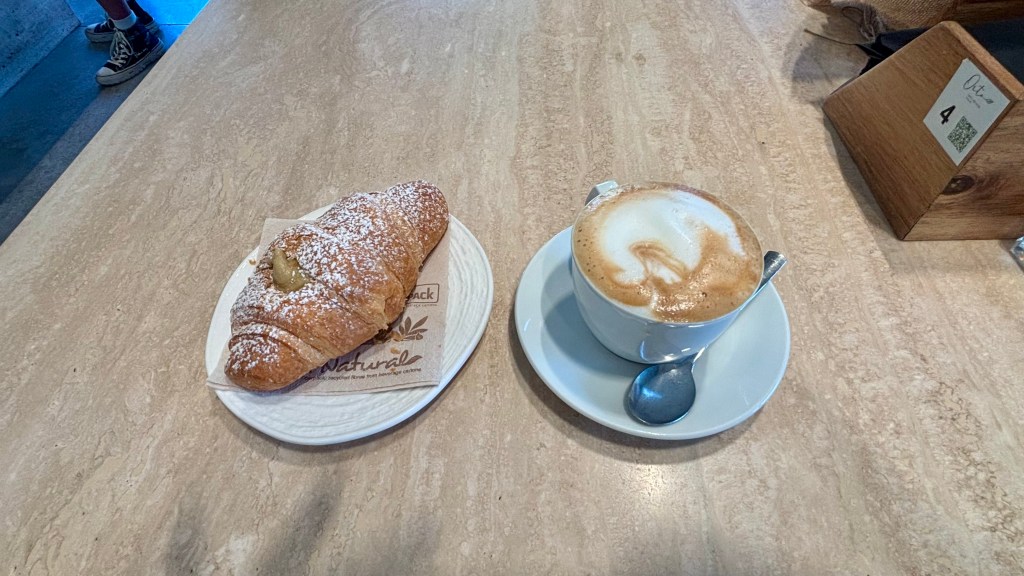
Today started like yesterday, bright and early with a cappuccino and this time a pistachio cornetto! I went to the same cafe, as I was less scared they would treat me weird for being a tourist, and they replied to me in Italian! I count that as a success. I’m starting to really fall in love with the intricacies of Italian life – like coffee bars and the way they take life slower and faster than we do in New York.
Today started like yesterday, bright and early with a cappuccino and this time a pistachio cornetto! I went to the same cafe, as I was less scared they would treat me weird for being a tourist, and they replied to me in Italian! I count that as a success. I’m starting to really fall in love with the intricacies of Italian life – like coffee bars and the way they take life slower and faster than we do in New York.
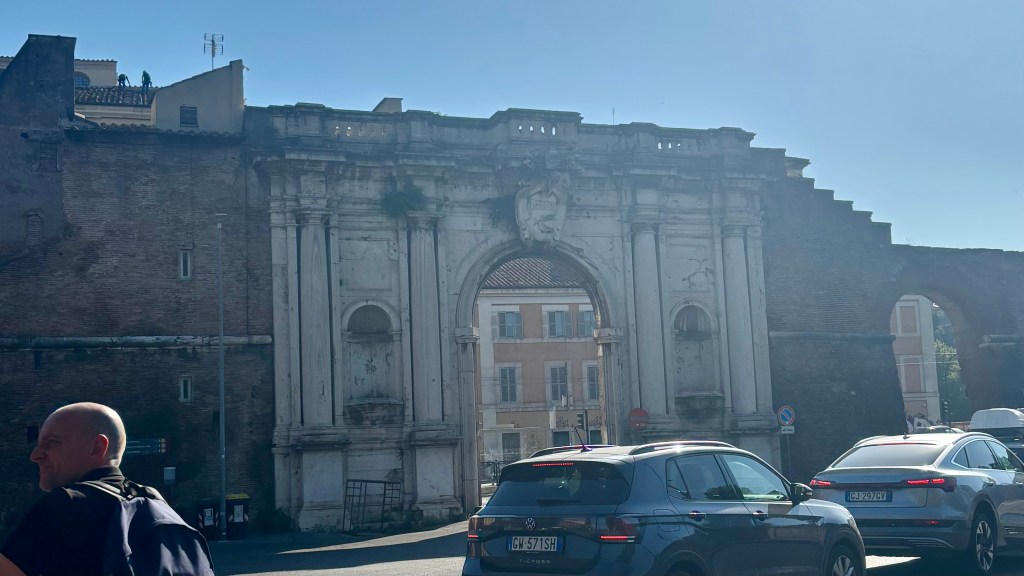
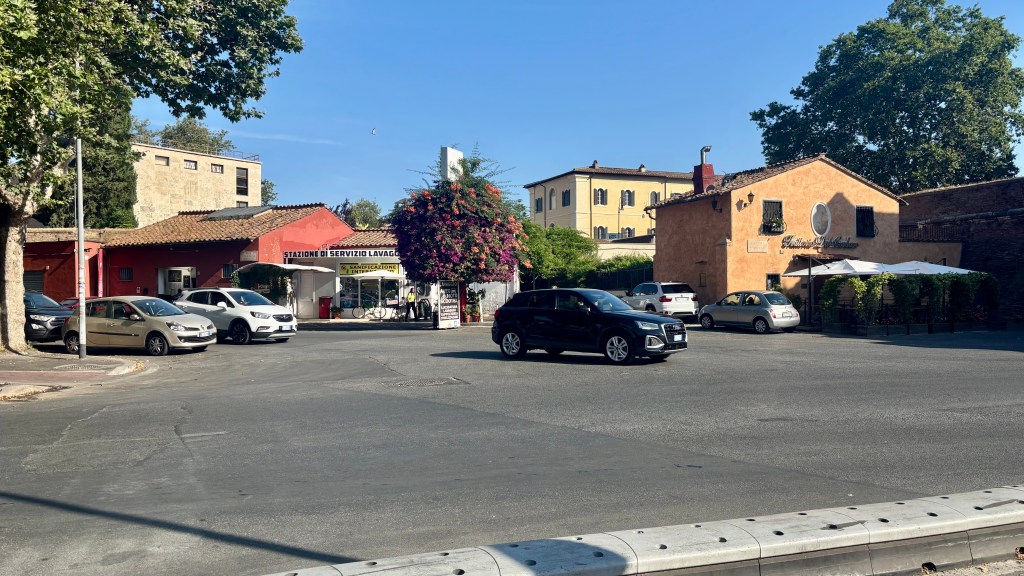
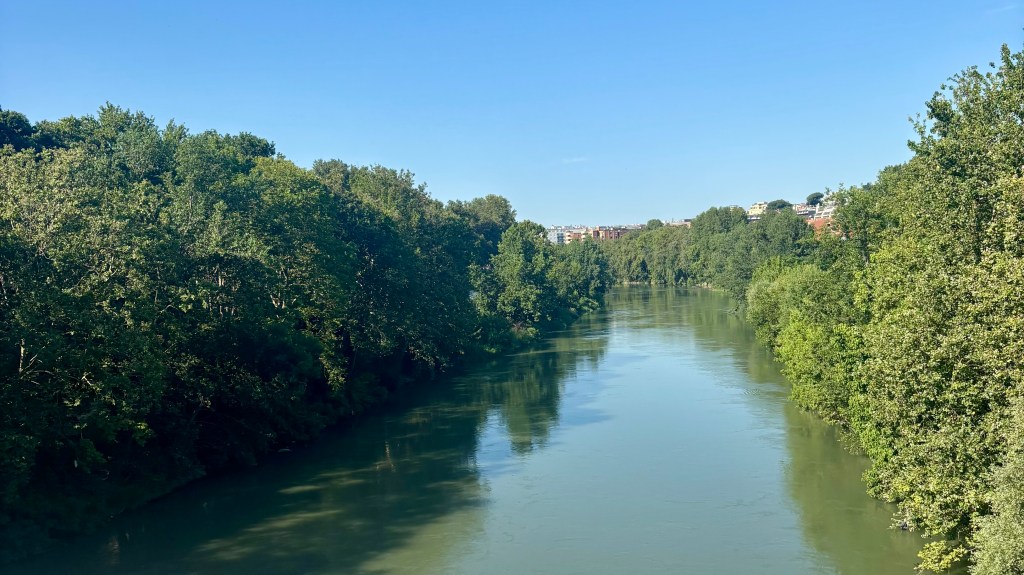
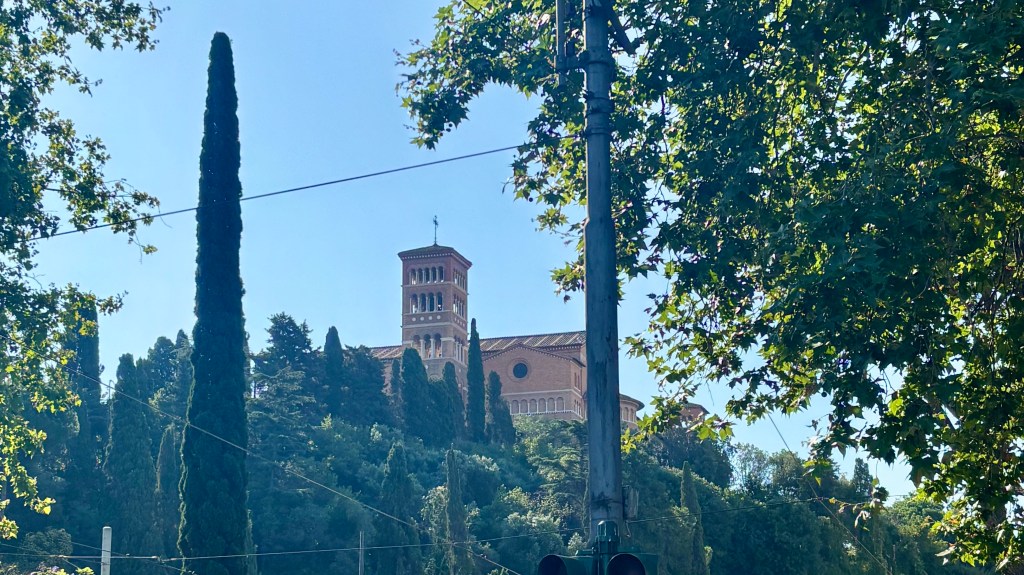
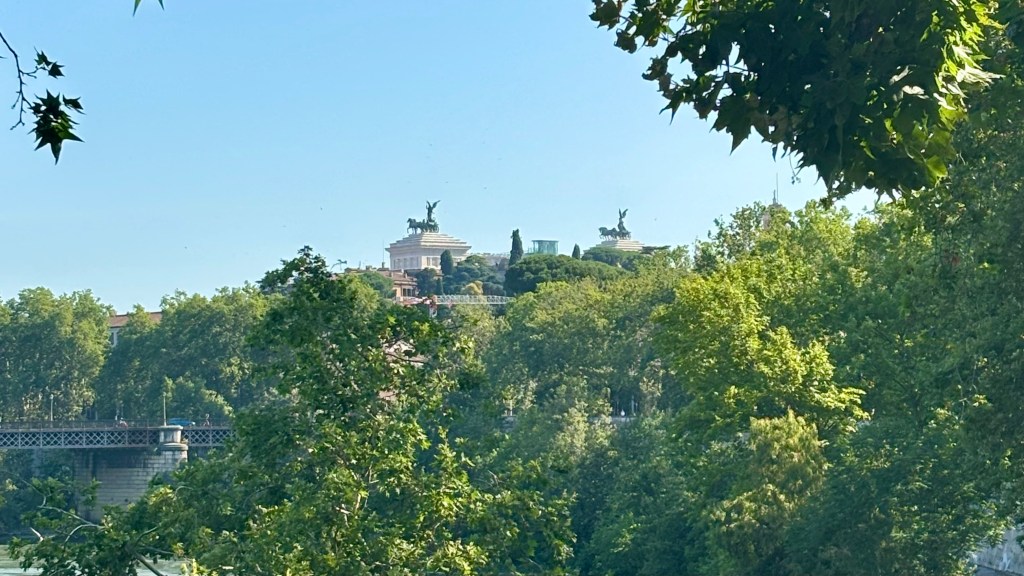
After breakfast, Lucy and Paola (and Arden) took a walk across and along the Tiber to get to our meeting point in the morning. It was a lovely day, and we were able to take advantage of the fountains along our walk, as well as admiring our first views of the Capitoline and Adventine hills. As gorgeous as it was, I was glad to meet with friends and sit down in the shade.
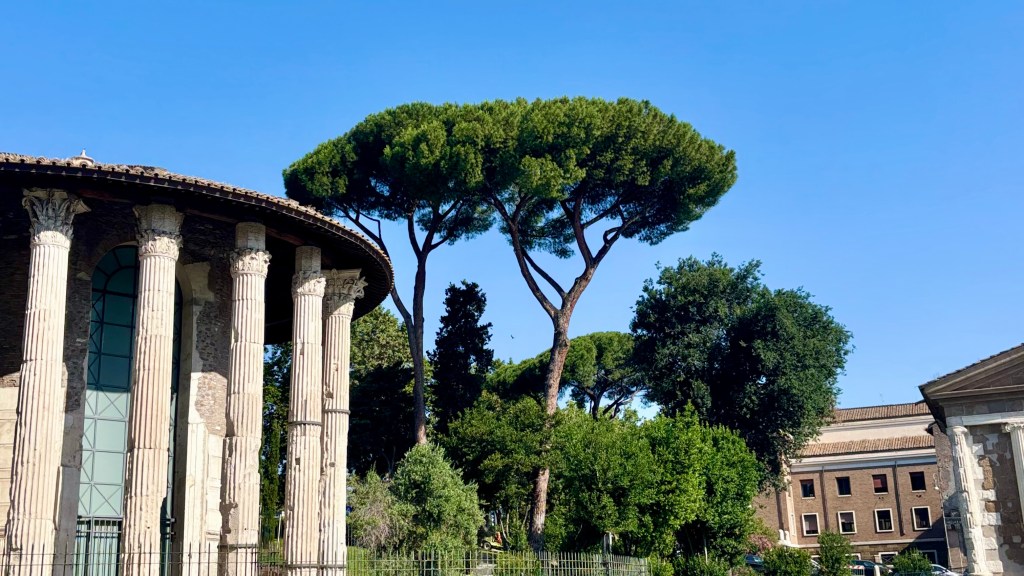
Once there, we learned a little more about the mythical stories of Rome: Hercules as the founder of Rome and the evil King Tarquin (is that what the Shakespeare Rape of Lucrece is about?). Wow. More patriarchy and more sexual assault. Am I sensing a theme? We also learned some of the real history behind the area we were standing in. This is where the cloaca (yes, like the bird part) was formed, a sewer and drainage systems to keep the flooding from the Tiber at bay. The area we were standing in was home to two temples, one of Portuno and one of Hercules Victor. What stands there now is reconstruction and restoration of what lies above the history that used to be there, as some of it lies below the current street level. We also spoke of the Republic, it’s constitution as told by Polybius and the conquering of territories such as Greece and Carthage (especially by Mummius). We also were introduced to a new type of column – the Ionic.
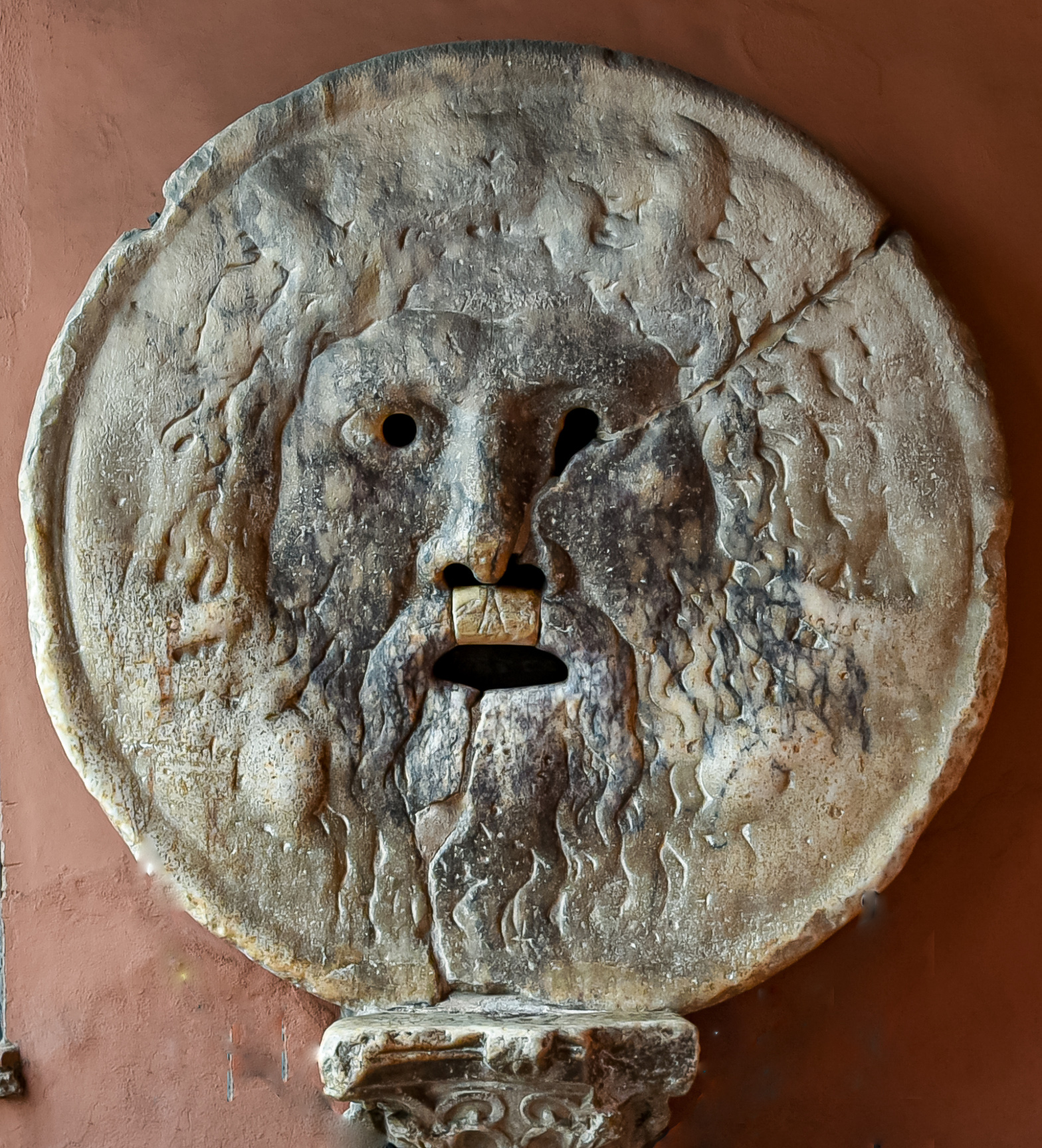
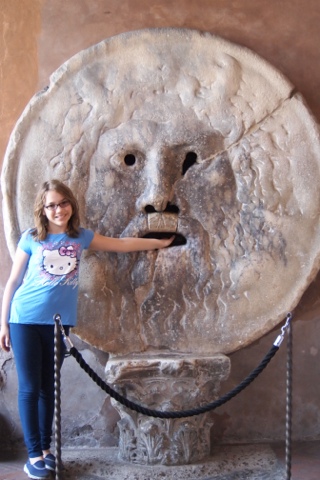
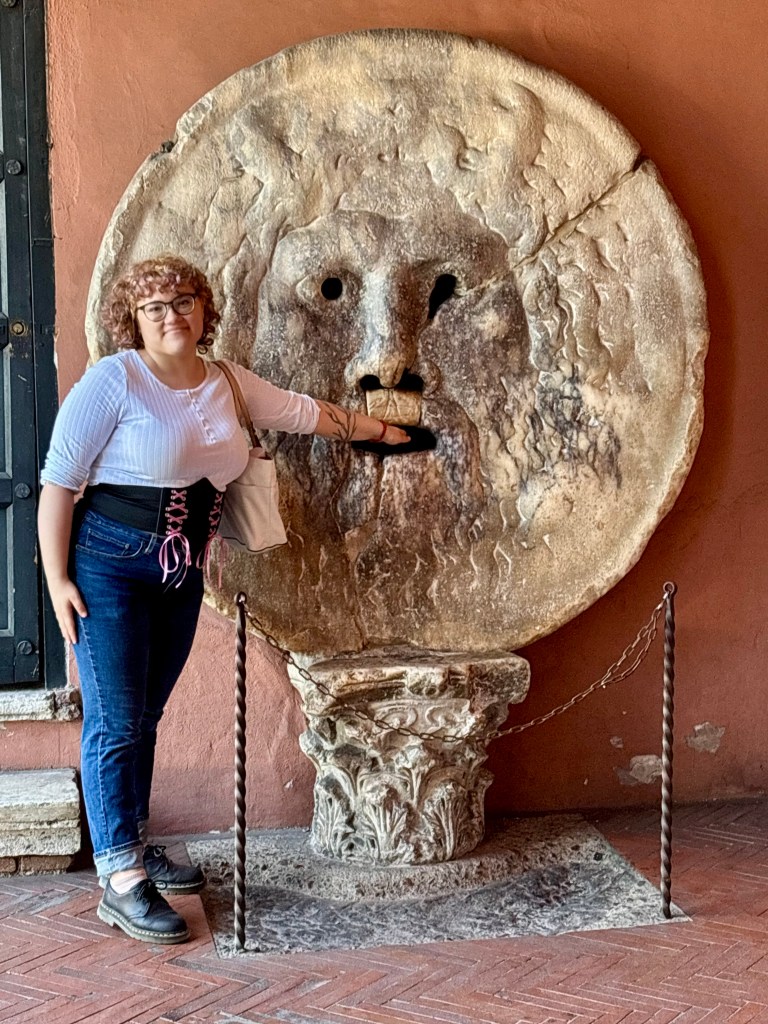
We were told about the Bocca de Verita, which actually was likely once a drain cover depicting Oceanus. While the class split up after this, we all went to get pictures of our hands in it (no one lost their hand). I was here a long time ago, in elementary school and remember very little, but there is a picture of me then and me now in the same place. I had very little interest in ancient history, or even being in Rome in the first place, but I love both of those things a lot more as an adult.
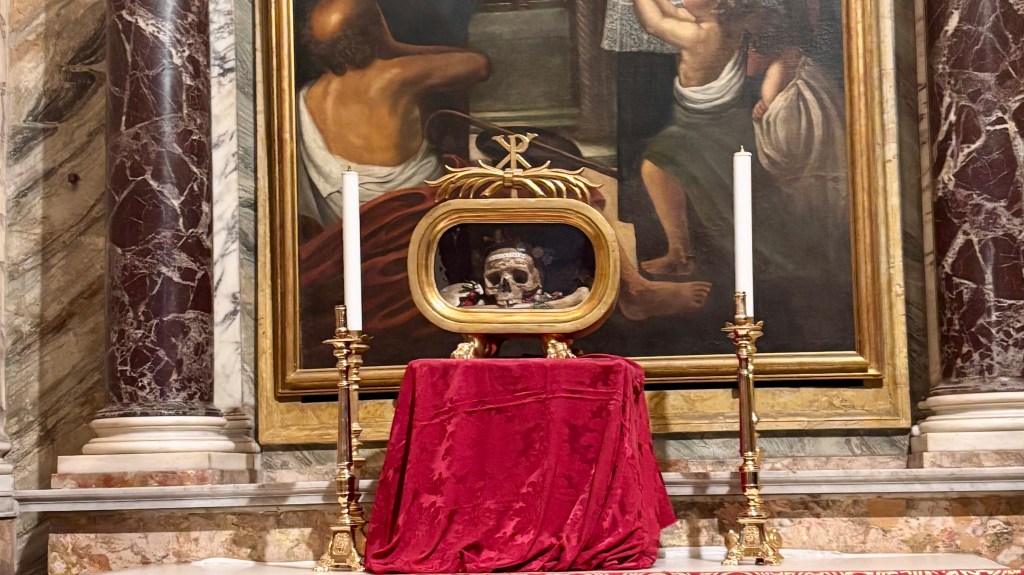
We also went to the church next door, and saw some cool Christian art and artifacts – including this skull. We also took a lunch break back at the apartment and did our homework.
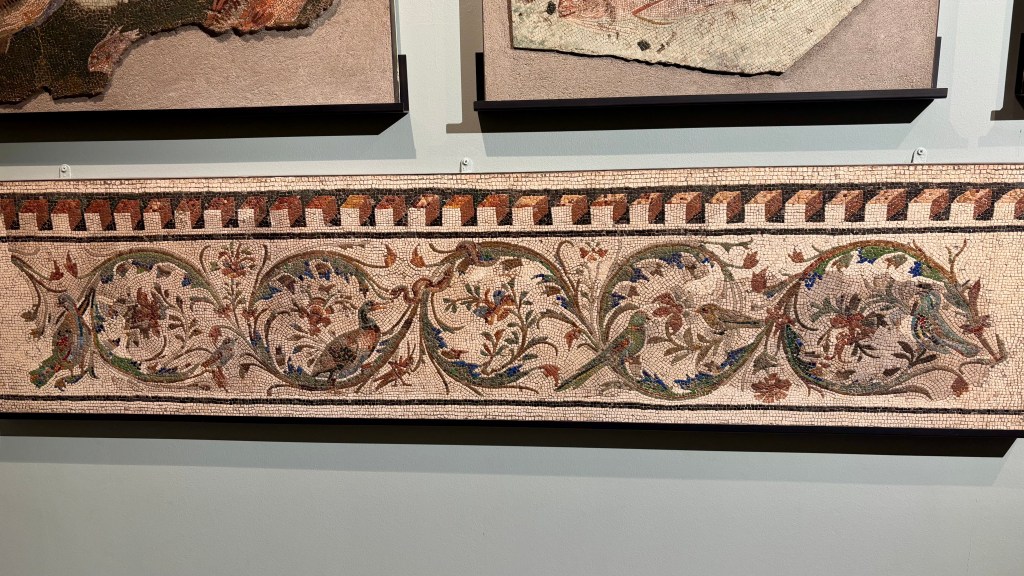
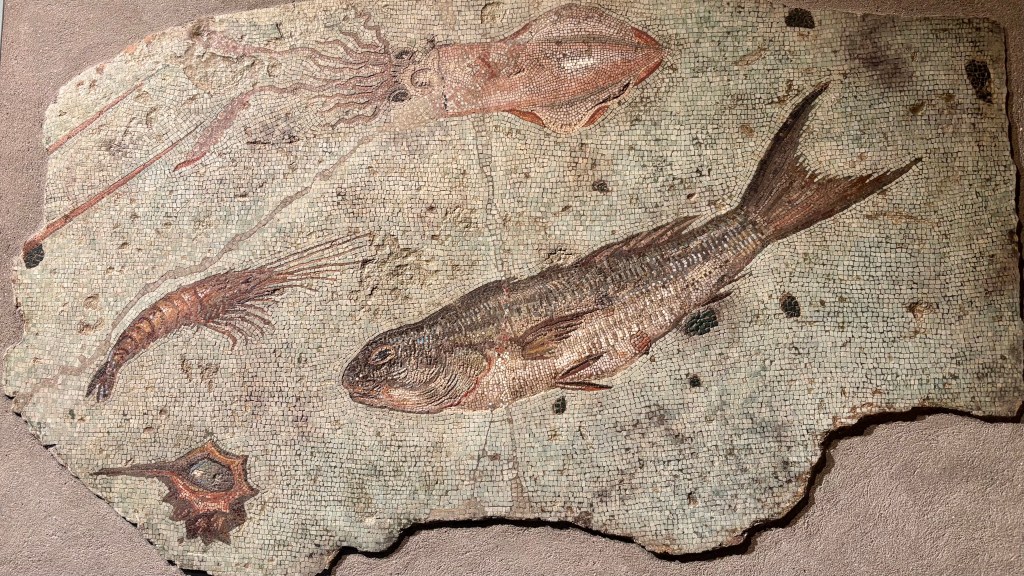
Heading back out to meet the class at the Museum Centrale Montemartini, the bus was late, which stressed us out, but we made it in time to fill our water bottles before heading into the museum. Built inside a former power station, the museum has a whole section on Republic art and sculptures, which illustrated our knowledge of how the Republic worked. It’s interesting to see the difference between male and female portrayals in artwork – like men posed in their togas to represent them as good citizens and women veiled in the traditional pudicitia (modesty) pose.
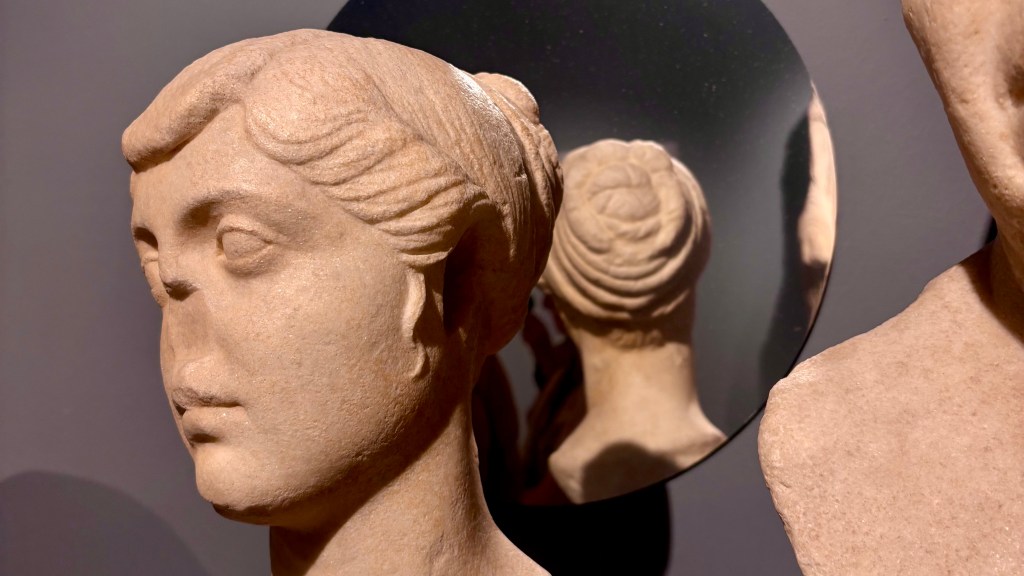
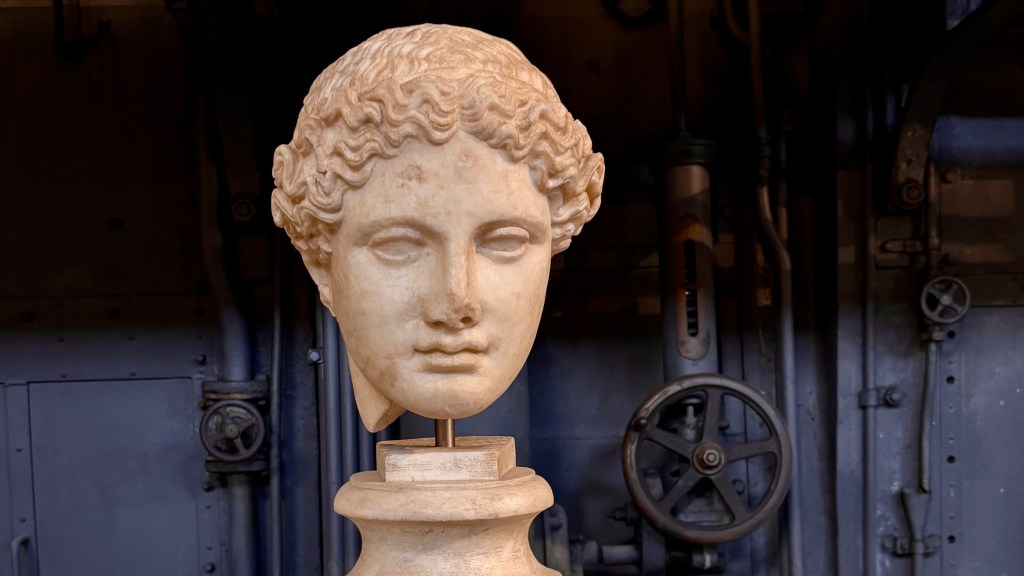
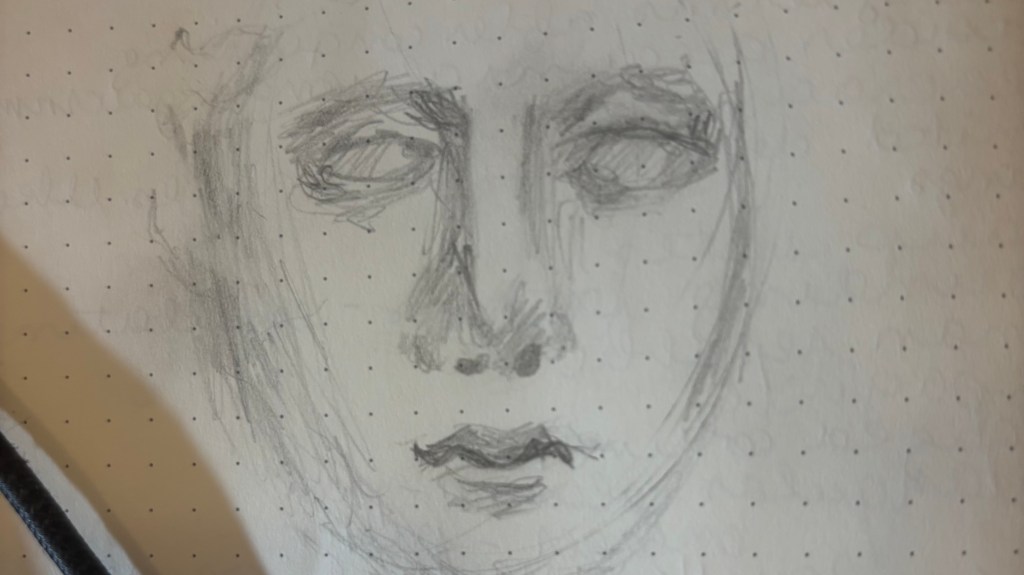
I really thought today about contrasts: elite noble romans vs those who lived their whole lives as slaves, citizen men vs their wives, ancient tyranny and colonialism vs modern tyrant and colonialism, myth vs truth. Polybius, whose account of the constitution we read for this morning, also talks about contrasts, he talks about the “all but absolute power” of the consul, describing it as “clear case of royal government”; but he also talks of the many powers of the Senate and the people, making it anything but royal. It is a strange system of government to him, and to us in the modern day, but oddly familiar too. I also find it interesting seeing the symbols of the ancient dictatorship juxtaposed against a more modern background, calling attention to the similarities between what we now call fascism and where the word comes from (fasces – a bundle of sticks and sometimes an axe that symbolized power in the ancient world). I also think about the myths of Rome origins, and how they’ve been used to justify power imbalances. It reminds me of a lot of how modern politicians talk about the Founding Fathers, almost as mythological and religious figures.
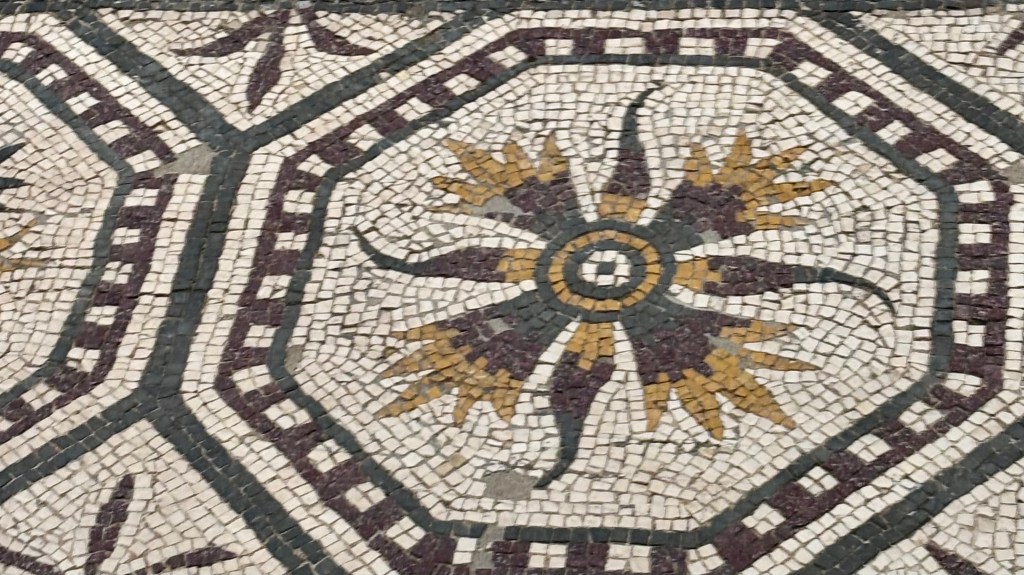
Today was exhausting, so I will try to rest up and eat before heading back into the fray tomorrow.

 Rome via Brooklyn
Leave a comment