
word count: 847
click here for a song that this piece reminds me of
I will not wholly die: in poems, much of me
Will avoid the Reaper. With future fame
I sprout up green, so long as Pontifex
And silent Vestal climb the Capitolium.
Horace, Odes 3.30.6-9
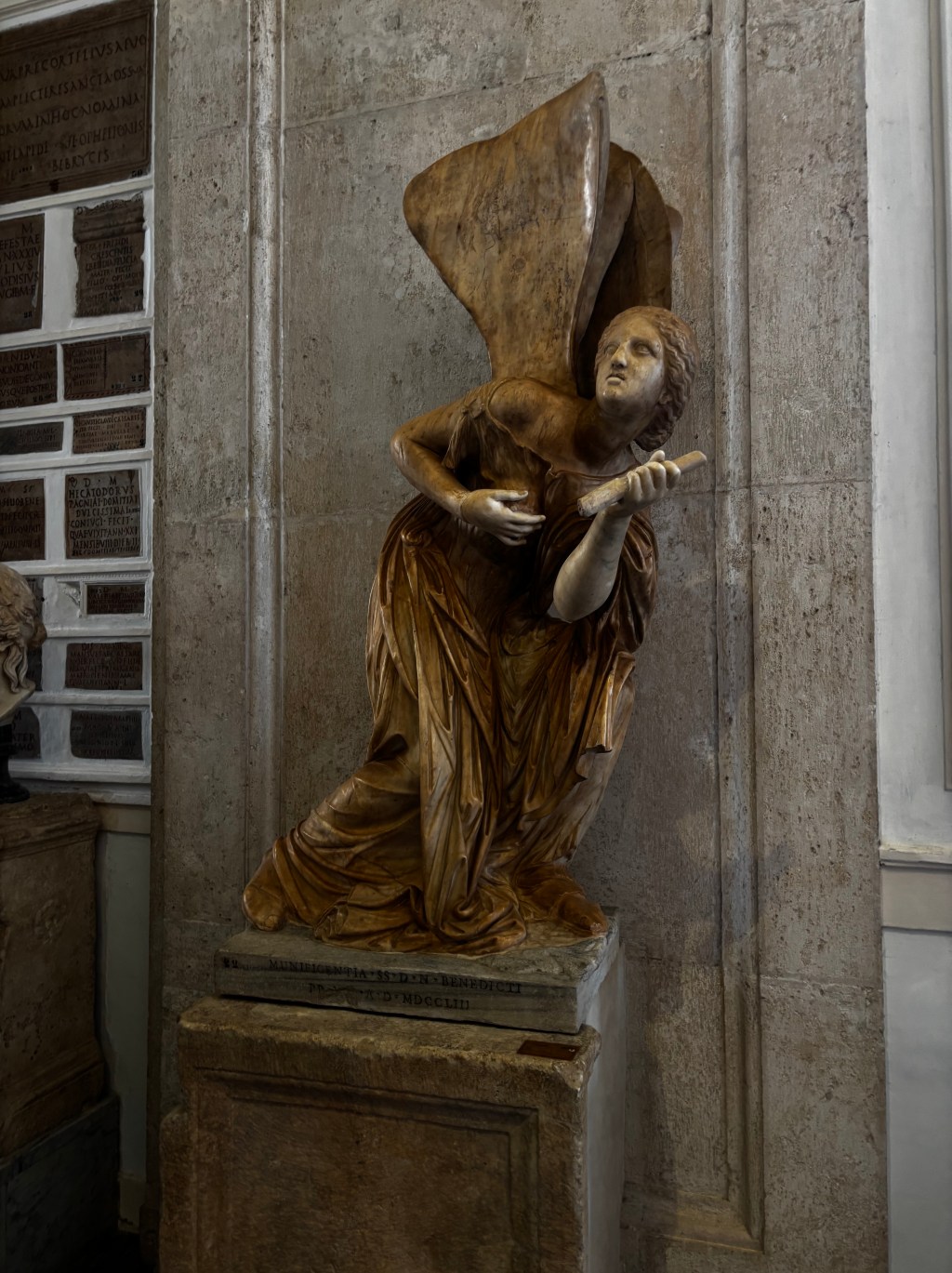
Portrait of A Lady With Wings
shamiqua wilson
if we could fly, we could
if we could dream, we would
blues rise, kiss my nose
where a heart turns inward at beauty
logic twists outward through misery
psyche is the language of the soul
the clipped string of whats left of the mind
the risk it takes to spiral into control – objective darkness
black crisp edges close and open like breath beating
against habit of lung, vein, love
gossamer freckled angelic pupils, the soul is
a butterfly
a soul sees before the eyes know
the soul is the light that makes the pulse true
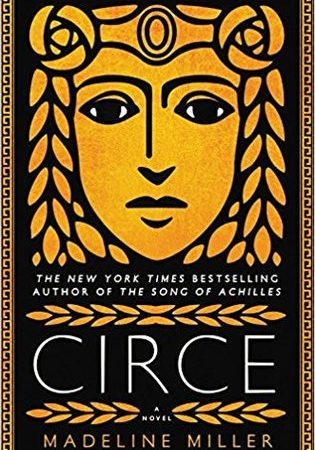
I don’t know much about Greek mythology because it always intimidated me, but before I came on this trip, I picked up this book from the library to challenge myself to learn something new. I only read a couple of chapters, but on Miller’s blog, she has a series called “Myth of the week,” where I learned about the myth of Eros and Psyche. It’s written beautifully, and I was pleasantly surprised to see Persephone make an appearance. I wrote a song about the dynamic between Hades that was inspired by the poetry course that I took at Medgar Evers.
psyche derives from the ancient greek word psykhe which translates to breath, life, soul, or spirit.
Personified by the Greeks as Psykhē, the beloved of Eros, often represented as a fair young girl; the butterfly was her symbol. Also in ancient Greek, “departed soul, spirit, ghost,” seen as a winged creature and often represented symbolically as a butterfly or moth. https://www.etymonline.com/word/psyche
What I find fascinating is whether the evil eye was around for women like Psyche and Aphrodite? Psyche was very beautiful and traveled to the underworld for the sake of love. Were there ways other than the power of love that Greeks protected themselves from forces like envy and jealousy, or was it something that always existed, was endured, or was ignored? UPDATE from the reading in chapter 3 Maloochio (evil eye) is important in Italian superstition. I was actually looking for a symbol that Italians treasure that isn’t super popular or well known to Americans. I have never heard of corno, it looks a little like a pepper or a crescent moon, and the oil pour test is interesting too.
I didn’t know that psyche also translates to butterfly (thanks, Professor Yarrow). Butterflies are deeply beautiful to me, and I always regarded the sight of them with good luck, especially due to their rarity on the East Coast, especially the blue butterflies. They signify an omen to some Jamaicans that a personal wish has been granted, as well as incoming joy.
The asteroid Psyche (16) represents the soul, the mind, and the subconscious. One’s birth chart, it reveals one’s deepest capacity for spiritual connection, how someone handles trauma, and how a person loves.
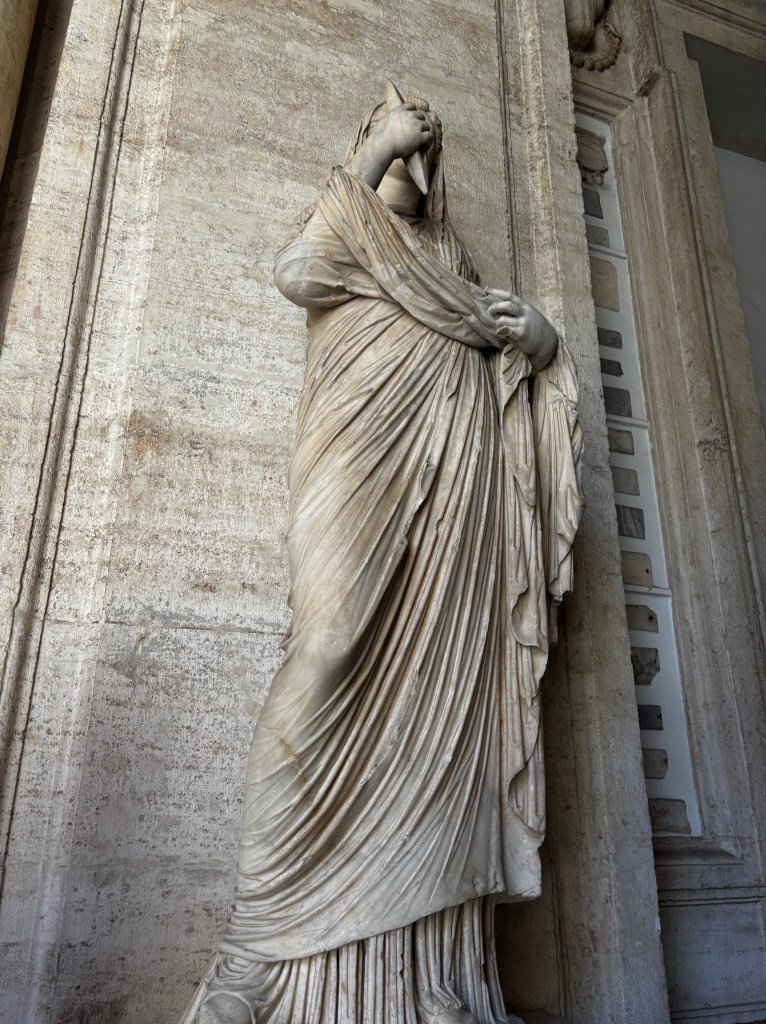
Coverage and layering has been a consistent symbol of purity for centuries. I wonder if Romans consider it a virtue or a custom when women cover. Some women today believe that modesty, such as pudicitia, exposes the limits placed on women by patriarchy and how, even with the implementation of this modesty, they cannot escape it. Because of the patriarchy, women are not their own person. What makes me question if it could function well as a custom is how religion supported it and, in turn, the state because of how interconnected they were. To me, this was not a choice more than it was conditioning. Pudicitia represented virginity and the fidelity of wives. Sources believe that these women’s purity was contributing to the protection of the entire Roman state.
Why does conformity grant us permission to acquire legacy? I think about how ancient Roman women weren’t allowed financial and legal independence from a male guardian or figure due to the tutela status. When Lex Papia Poppaea was implemented, women were granted these privileges after they had their third child.
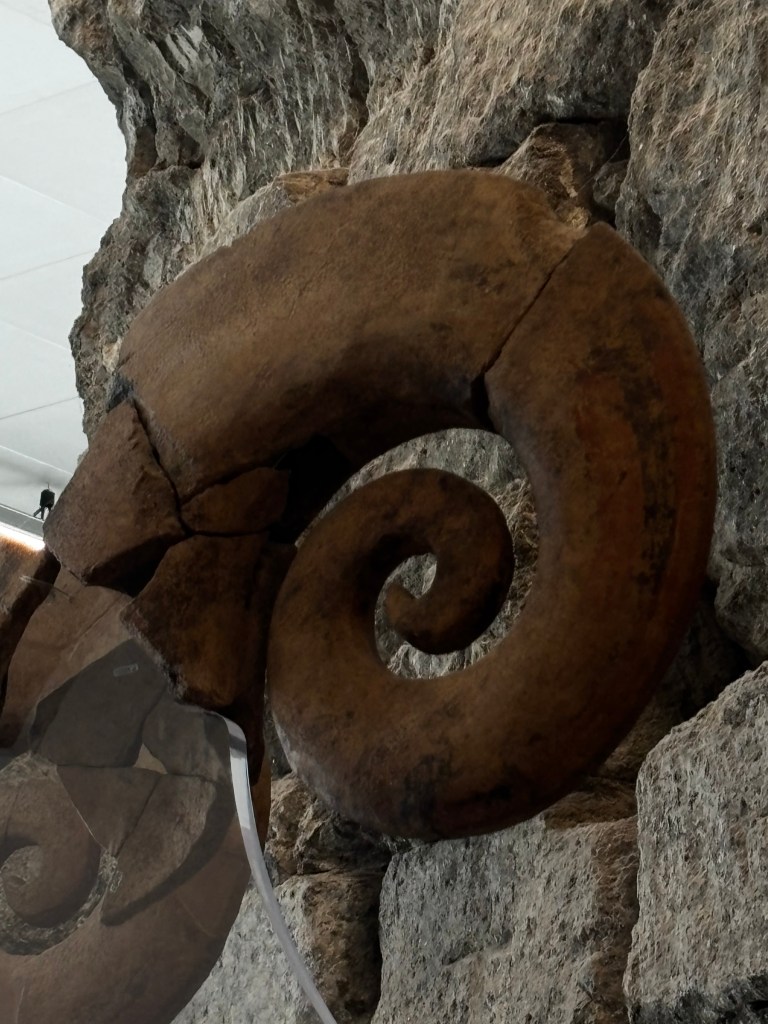
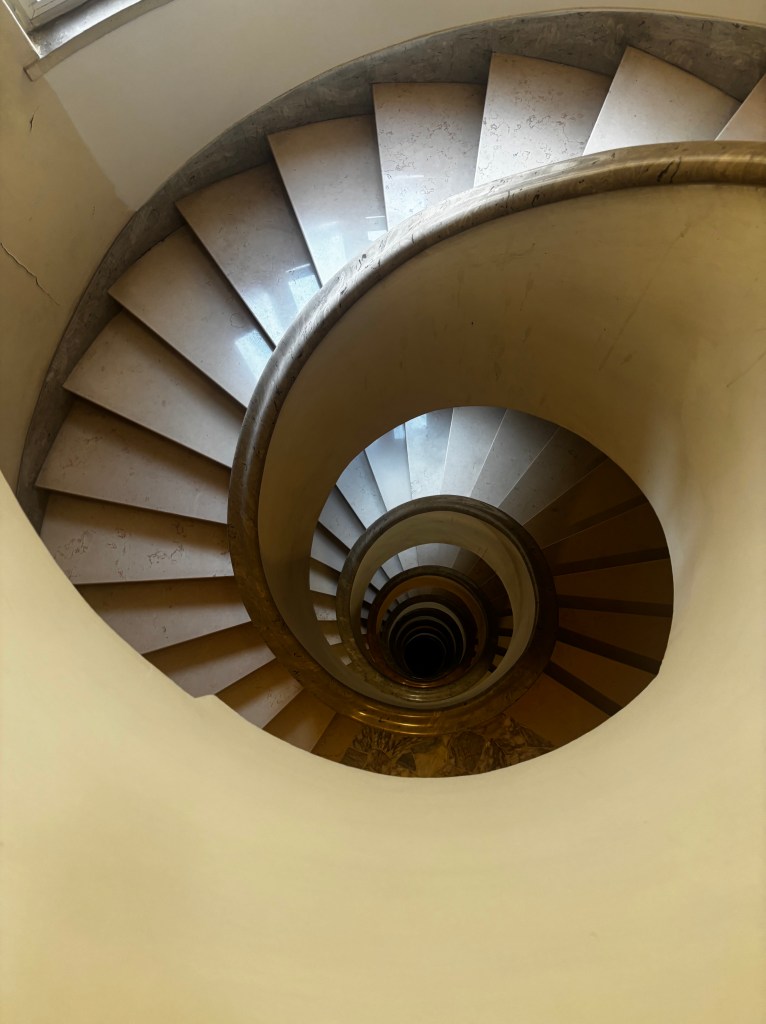
Almost a year ago, I released my album Spiral. The Fibonnaci spiral is something that has always stood the test of time. The spiral can be found in shells, petals of flowers, the galaxy, and more. Artists use the spiral to signify organic rhythm; the ebb and flow of becoming and undoing. I think this symbol represents complete/togetherness. I see the spiral more frequently in ancient Roman art than in American modern art. Leonardo da Vinci utilizes the golden rule in art pieces like the Vitruvian Man and the Mona Lisa. The symbol is also in the Japanese painting the great wave off Kanagawa
Ending questions
Does our ability to conform to the things the world STILL tells us to be determine if we are gifted legacy? Or is this mostly outdated?
If silence is a weapon, is legacy a luxury?


 Rome via Brooklyn
Leave a comment