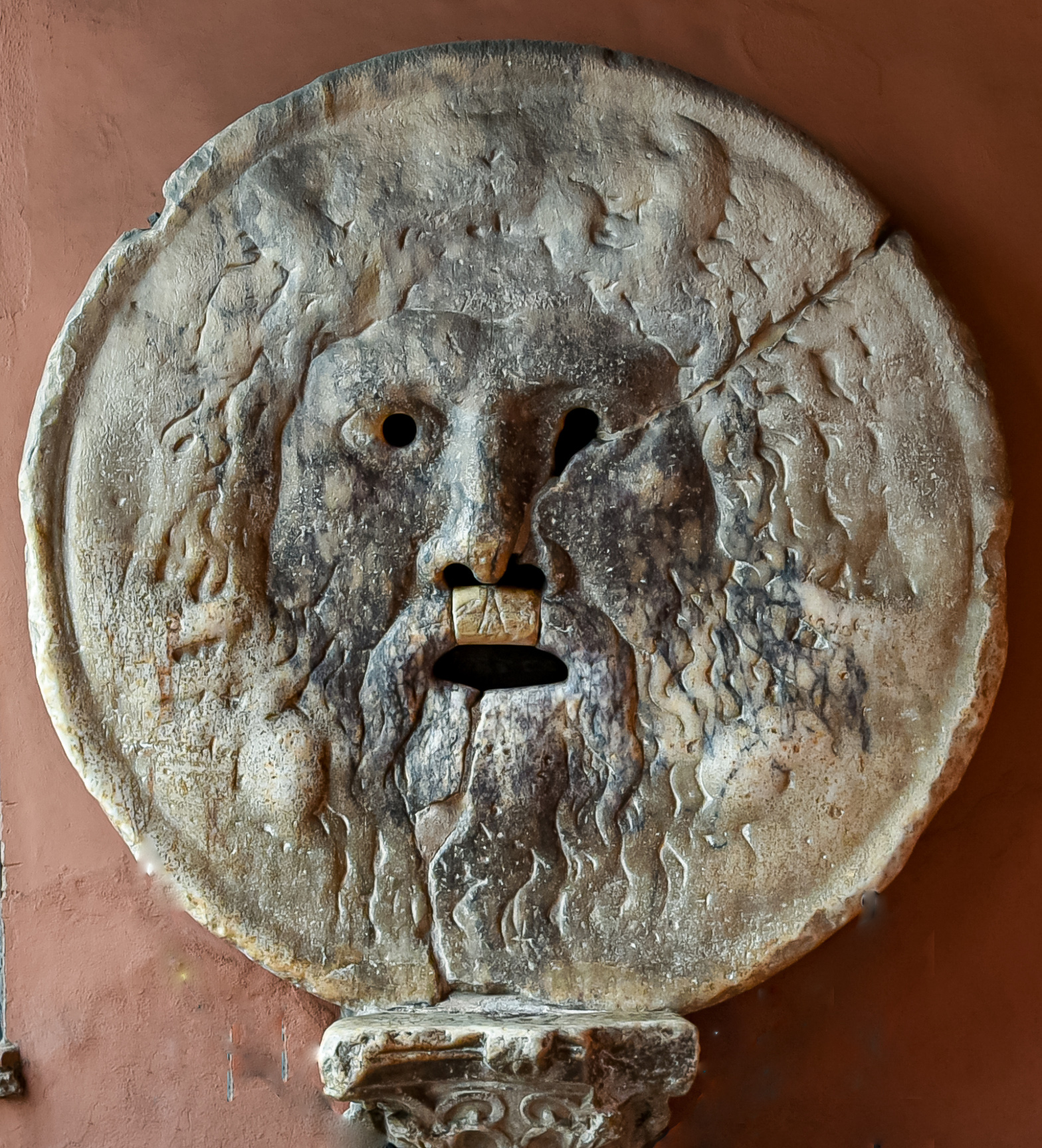

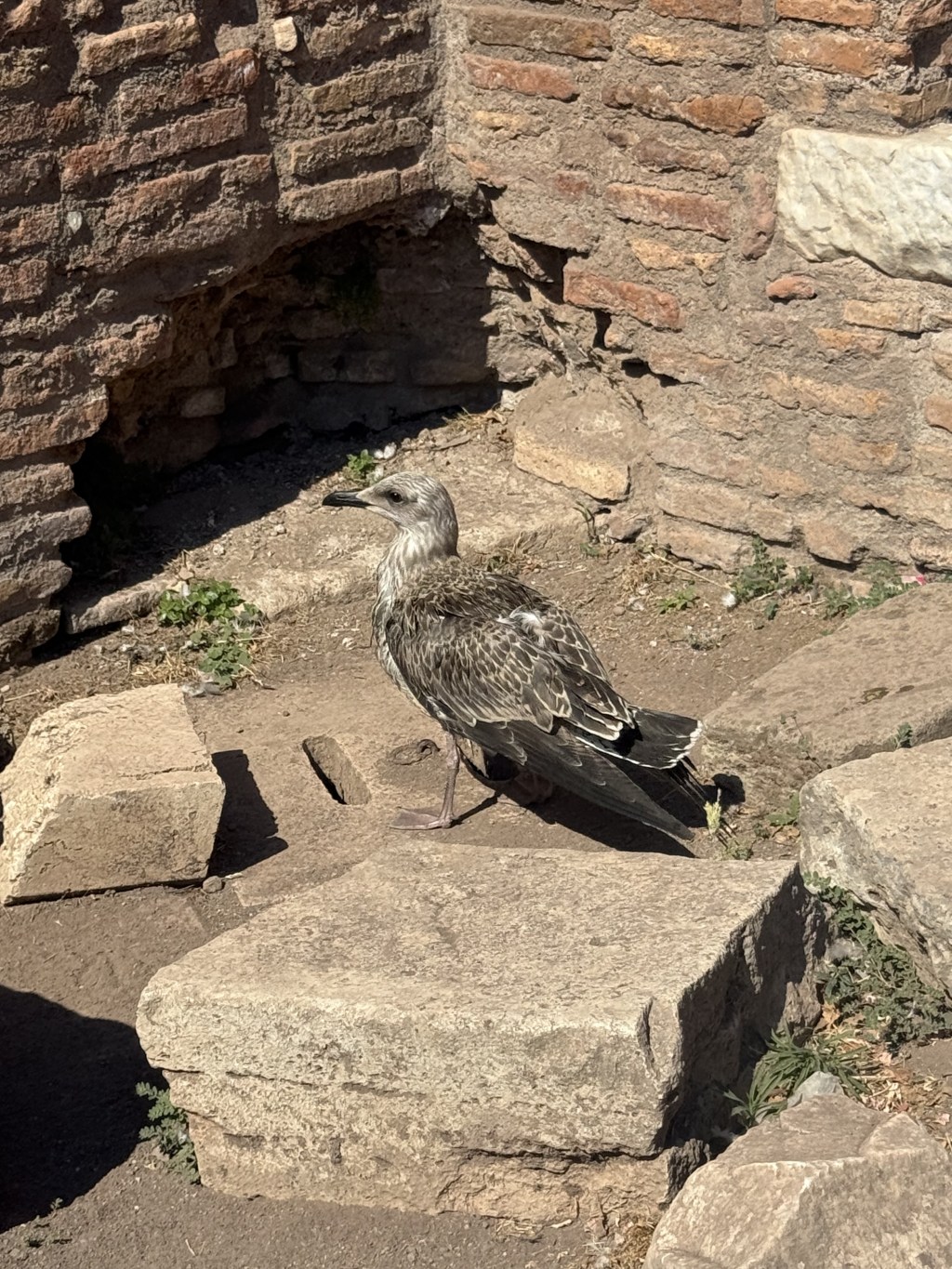
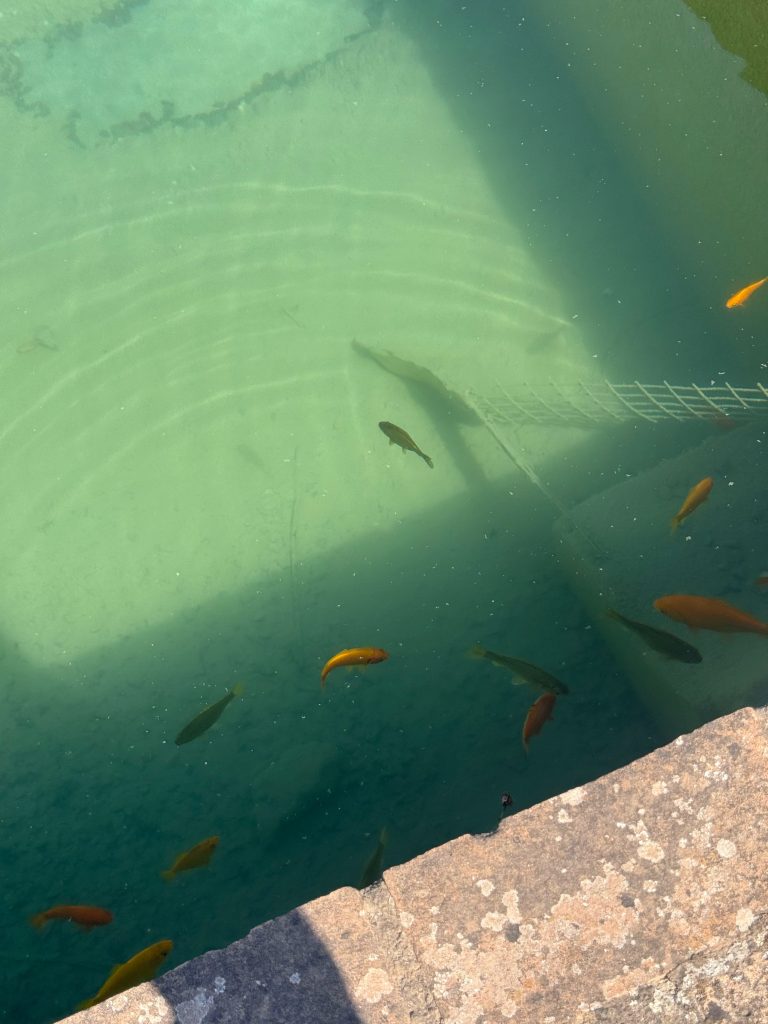
In the featured image here we can see one of plenty modern day residents at the Roman forum. Many a seagull, a lot of pigeons and some fish live and are an active part of the experience.
Word Count: 1,095
Time to Read: 5-7 minutes
The Roman Forum is the site of much discourse and much history, I hope to unpack some of the things I learned today in class and from the readings with you all.
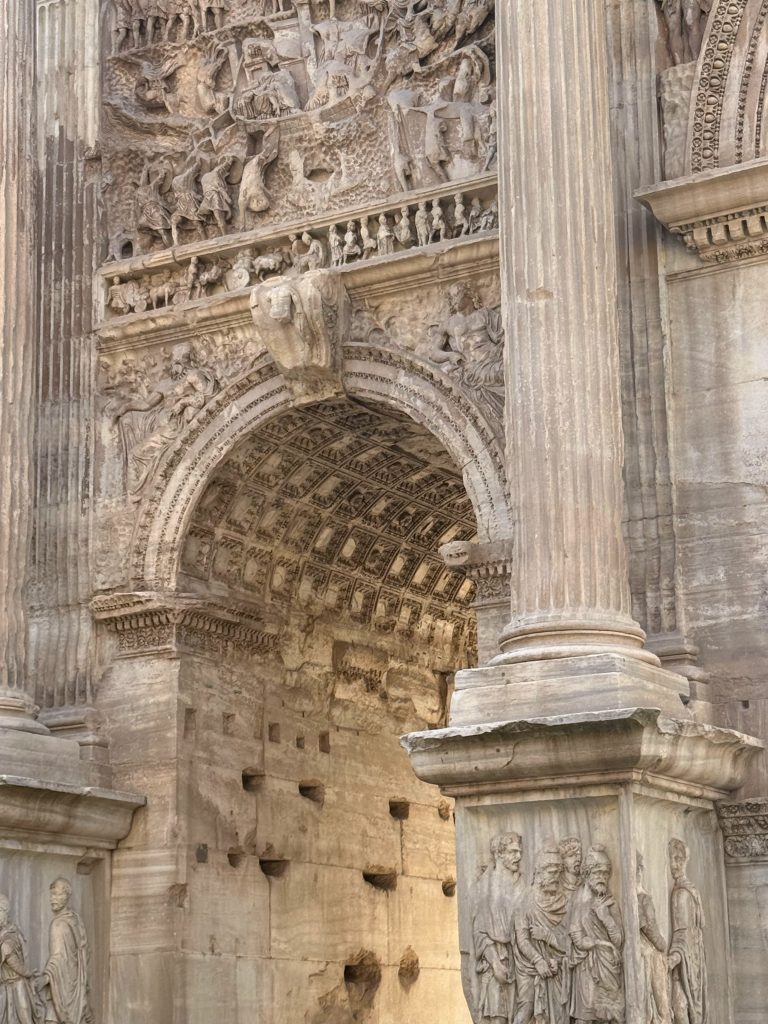
Through the reading and class lecture much of the details and history of this arch and triumphal arches in general was revealed.
In the Claridge reading we learn that the Arch of Septimus Severus was awarded to the Emperor Septimus Severus who is the namesake of the arch and his two sons Caracalla and Geta. This arch and many other triumphal arches serve the purpose of creating a public narrative of the military successes of an emperor or a general abroad and serve as a physical representation of Rome’s power and rule over other peoples.
In class we learned that the Roman triumph is a religious festival, it is indicative of the Roman emperor being imbued and embraced by the Roman people as well as the Gods, a triumph procession is one of the only times an emperor wields military authority within the city’s walls.
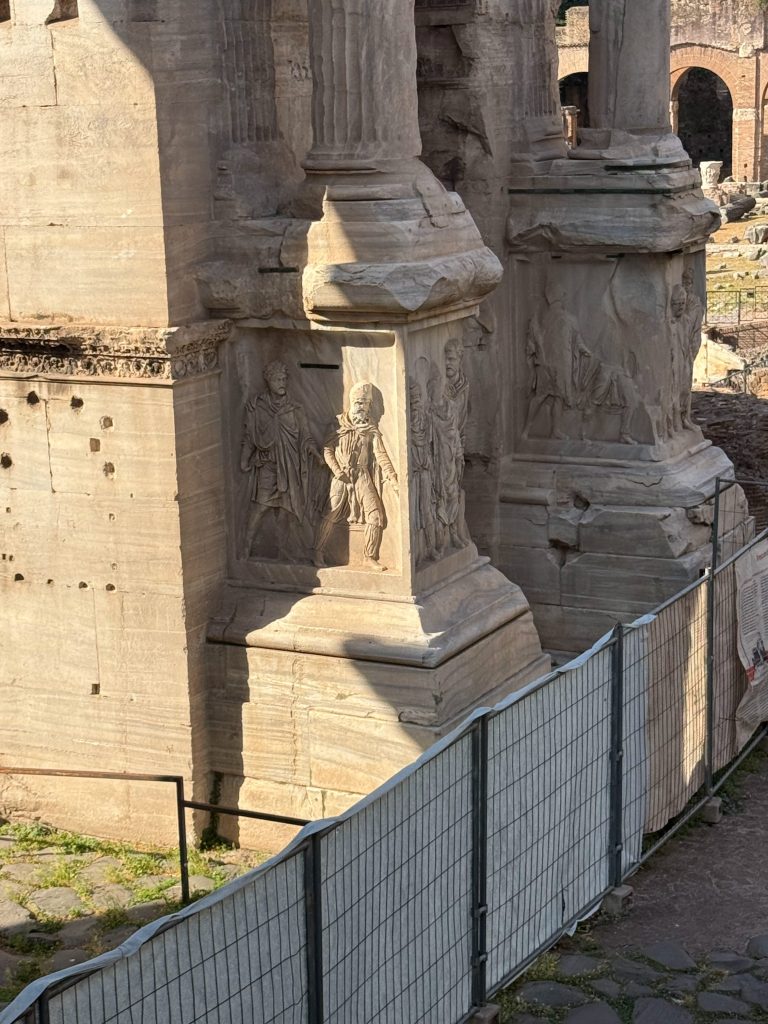
Winning a triumph does not only mean success and renown in this generation but all the generations to come. A triumph procession being then commemorated by a triumphal arch creates an immortality within the state.
With this discussion of the triumphal arch and its importance as a class we also received an important lesson about the Romans and a trend that exists regarding memory.
The erasure of it.
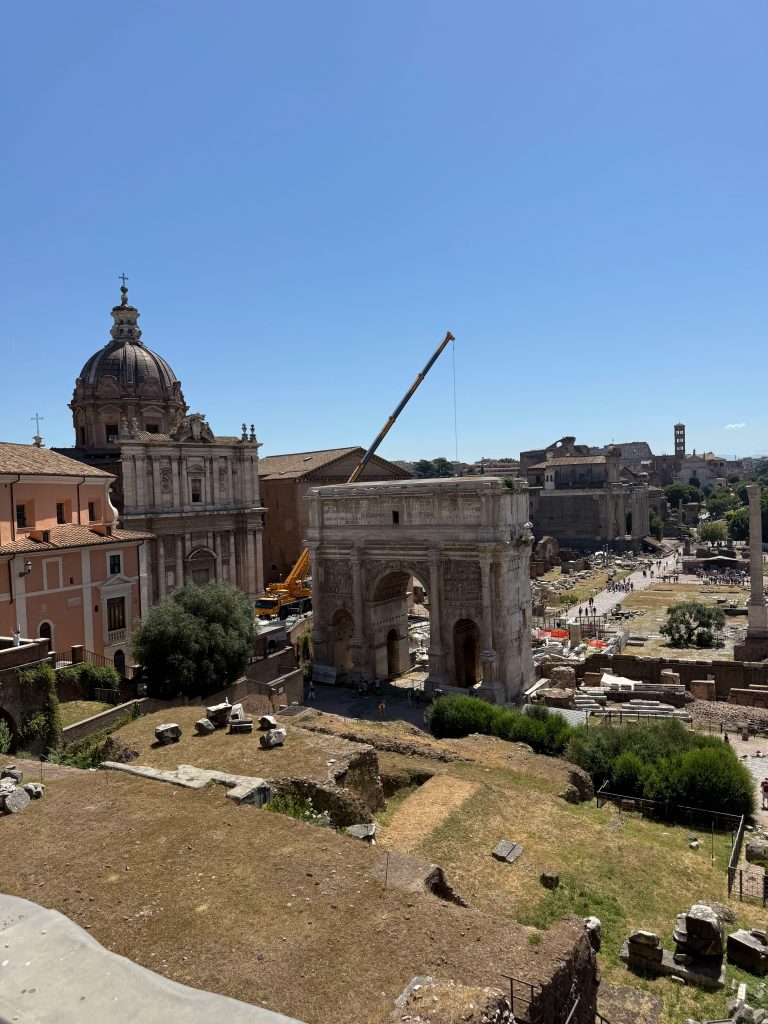
The sons of Septimus Severus (Caracalla and Geta) had a sort of sibling rivalry between them. On the Arch there was a gilded bronze inscription honoring the two brothers. Claridge reveals that, “The gilded bronze lettering of the inscription ha[d] been robbed, revealing that the dedication was altered after Caracalla murdered Geta in AD 212.” (pg. 78). After Caracalla murdered his competition he took over and rewrote history, he went back over this arch and had the legacy of his brother replaced and written over with further praises for himself and his successes.
We learned in class that the tradition of memory killing in Ancient Rome is a strong one, it is not enough to beat ones enemies, you have to then remove their name, their significance, their very presence.
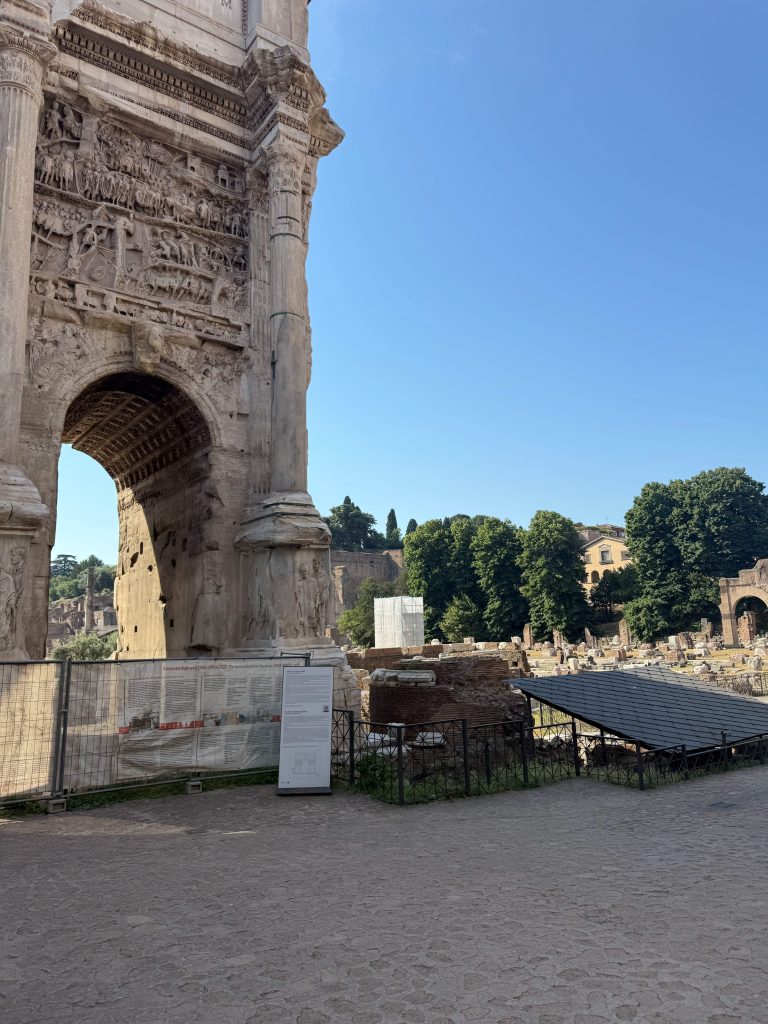
In this image of the arch, if we look up we can see the worn down faces and figures on the relief.
We learned that this is due to the artists carving against the grain of the marble, the reliefs on the top are not as clear as the reliefs on the bottom which were carved with the grain of the metamorphic rock, not against.
This makes the reliefs and the carvings more prone to wear and tear as the carve is more porous.
This stood out to me when looking at the arch as it was a way in which nature interferes with the premodern. The erasure of the quality and definition of the carve echoed to me the erasure of Geta.
The subjects in the relief and Geta, the brother of Caracalla did not have a say in their erasure but somehow they are both gone.
Luckily we can use the study of this arch and archaeology to piece things back together and we now know of their erasure but there are and were many generations of people who will not get the full picture.
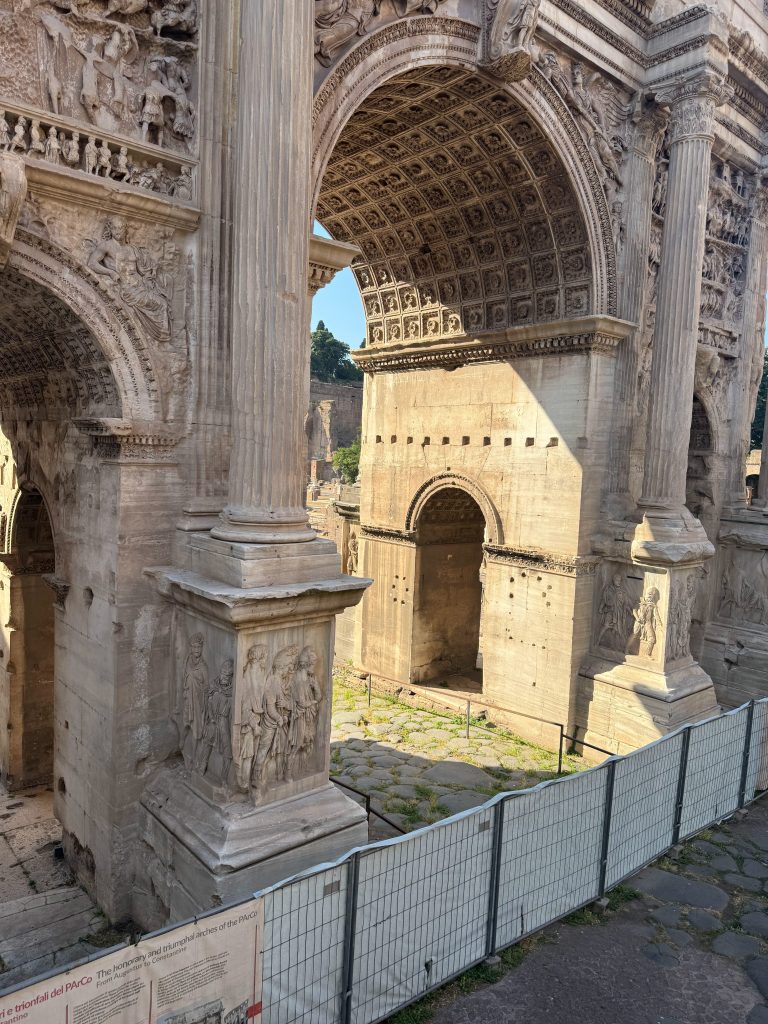
We also learned of the reason for why we see so many holes in these remnants from antiquity, it is because they are harvesting building materials from these old buildings.
We are not doing this in the modern day, we are trying to preserve them as best as possible but people in the premodern and early modern did not let these buildings and their supplies go to waste, if they were not using them they were not going to lose them.
Although it might be sad or confusing to us it is a reality of what happens when something’s intended purpose and its intended audience has passed.
I think seeing the ways in which these artifacts or archeological ruins have withstood the test of time is imperative to our understanding as people for how we determine something’s value.
This is a theme I have been noticing across the class, most large things survive in the ways they do if someone deems they can be used for something else, whether it be repurposed as a church, a house with multiple stories, or reused for supplies. The triumph arch was created to commemorate something that to the Ancient Romans held immense value, victory.
We see this further in the Rome Alive! reading. When an altar of victory was removed from the Senate House out of respect to Christianity the Senator Symmachus makes a plea to the Emperor Theodosius asking for it to be put back due to the history, value, and precedent it holds, “Do not reject the support of a divinity so conducive to triumphs. All of us are in debt to her efficacy; no one would deny that that which must be sought after must also be worshipped.” (pg. 91)
To Symmachus the history of the Triumph holds value, it is indicative of the senate and people of Rome’s successes and he believes without it they would be erasing some of their national identity.
The fear of erasure is one that holds true, even those who restore and repair ancient things want credit, they want to make their mark whilst unerasing the past.
I would not have known all this information by just looking at the arch, this class and the readings enriched my understanding of ruins that probably would have prompted no other thought in my mind besides “that’s old … and big”.
I look forward to learning more and further expanding my horizons.
-Paola ❤


Leave a comment