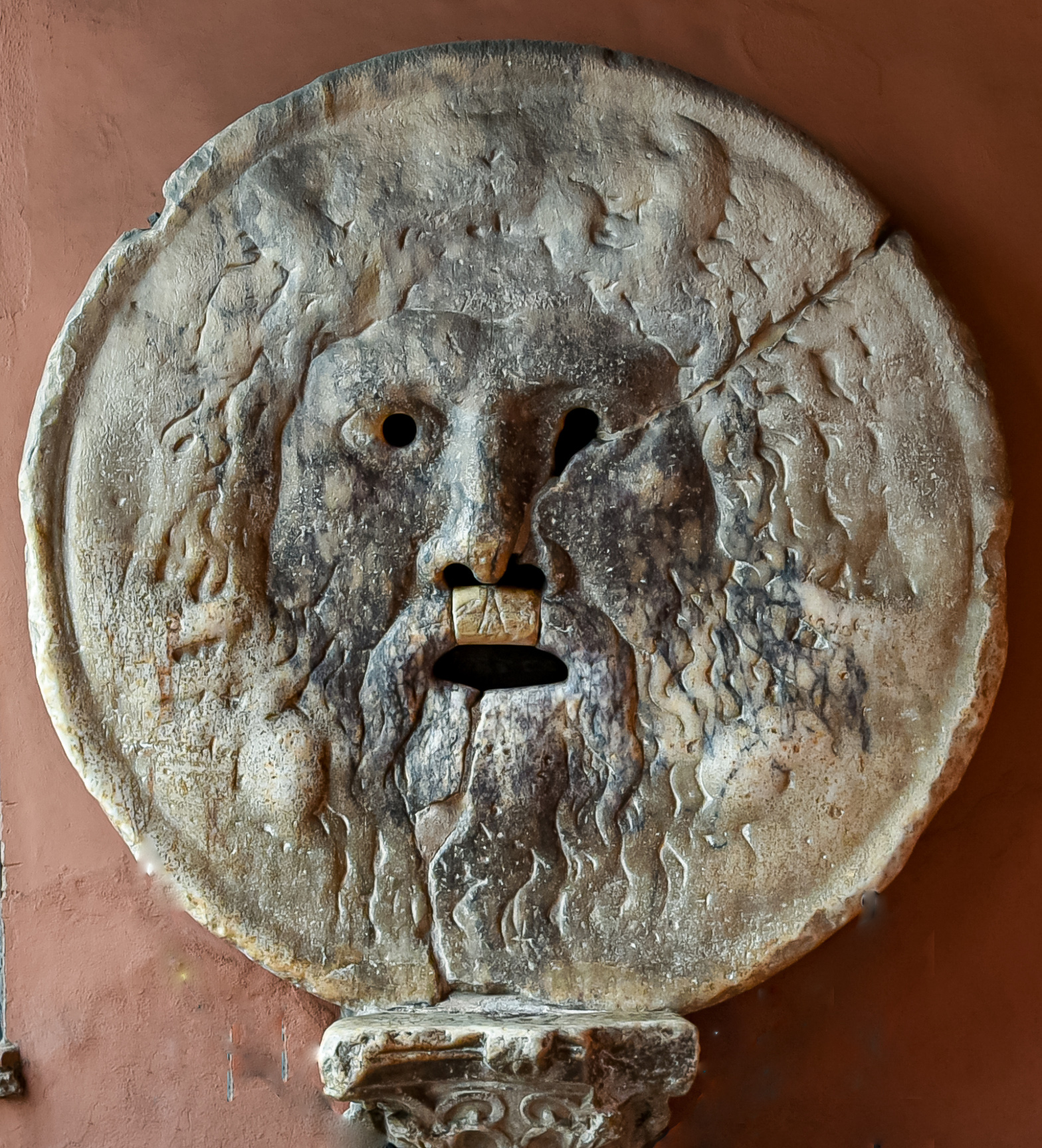

Something that always made Rome stand out is its monumental marble, but something that made Rome hard to live in was the constant fear of fires because of high density. The city was made with insulae which were multi story apartment blocks made to inhabit the city’s massive working-class and plebeian or working-class population, such as laborers, craftspeople, and farmers. The plebeian people stood in stark contrast to the elite. These apartments were made of cheap wood, mudbrick (sun dried blocks) and flammable plaster. With the way that streets were formed narrowly, if an oil lamp fell it could potentially trap thousands.
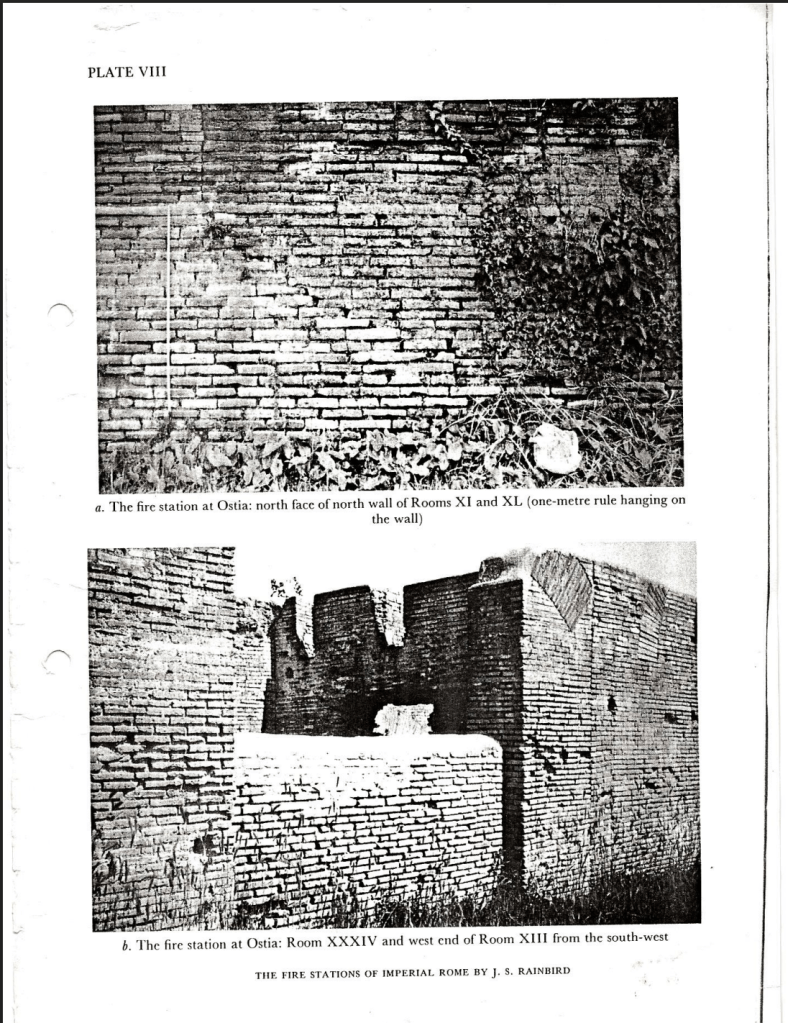
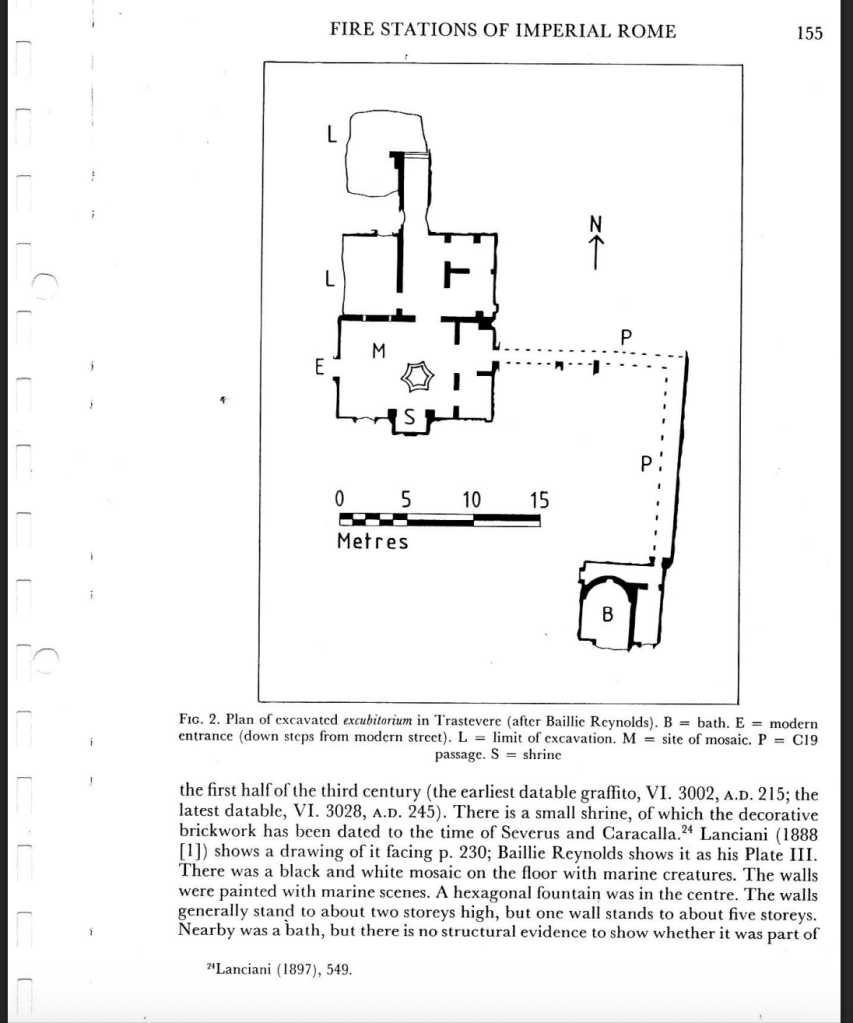
https://www.ostia-antica.org/fulltext/rainbird/rainbird-1986.pdf Archaeological remains of the actual Vigiles fire station at Ostia. The top photo (a) shows a structural look at the outer north brick wall, while the bottom photo (b) highlights the durable, surviving Roman brickwork of the interior barracks rooms from the south-west.
For centuries Rome has made its citizens responsible and liable to the effect of the flames. If a person’s apartment caught fire they had to rely on their neighbors or firefighters who were private slave brigades owned by wealthy elites. For example, a wealthy elite could be someone like Marcus Licinius Crassus. Crassus used to march his private fire brigade to a burning building and refuse to put out fires until the owner promised to sell him the property on the spot.
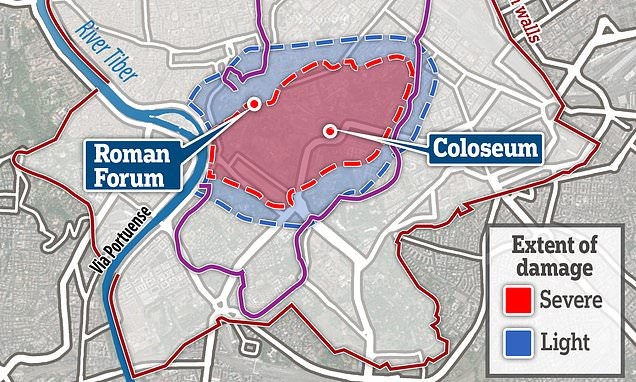
map of the great fire 64AD https://share.google/7Zi4y4KhCYfM31X0W this map reveals the progression on the great fire from the circus maximus through the valleys of the city where the Colosseum would later be built, serving as the ultimate catalyst for Nero’s radical urban fire prevention reforms.
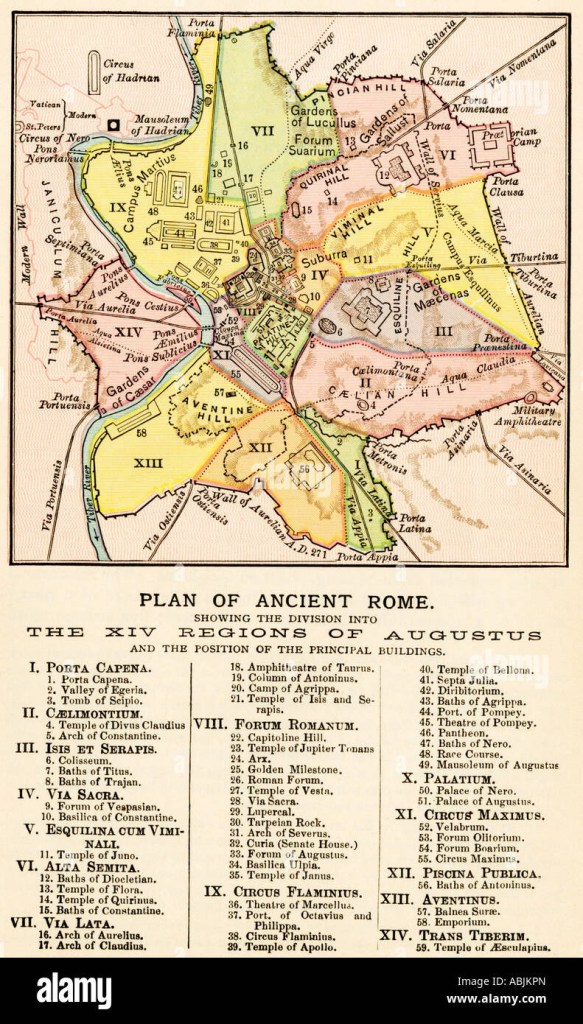
14 regions of Caesar Augustus Historical map of ancient Rome illustrating the 14 urban regions established by Emperor Augustus in 7 BC. This administrative split allowed the 7,000 professional Vigiles (firefighters) to be strategically stationed across the city to maximize response times.
In 6AD When Augustus realized that fire was a threat to political stability, a turning point manifested, and he created the Vigiles. The Vigiles were the first permanent, professional, and public firefighting force in urban history. Below I’ve inserted 2 maps of the areas we were sort of familiar with and how Rome was divided into 14 regions. The 7000 Vigiles were stationed in strategically placed barracks to cover every corner of the capital. There were many techniques used to fight these fires, such as bucket brigades. Their entire job was sourcing water.
Because Rome didn’t have pressurized fire hydrants, these technicians had to know the exact location of every nearby public basin and aqueduct delivery point. They coordinated massive, tightly synchronized human bucket brigades using amae—heavy buckets made of stitched, waterproofed leather sealed with pitch. Siphons: If you look at the technical diagram on our blog post, you can see their secret weapon: the siphone. This was a sophisticated, double-action, hand-operated force pump. A crew of men would pump heavy levers to draw water out of a reservoir and shoot a continuous, targeted stream of water high into the upper stories of burning insulae.
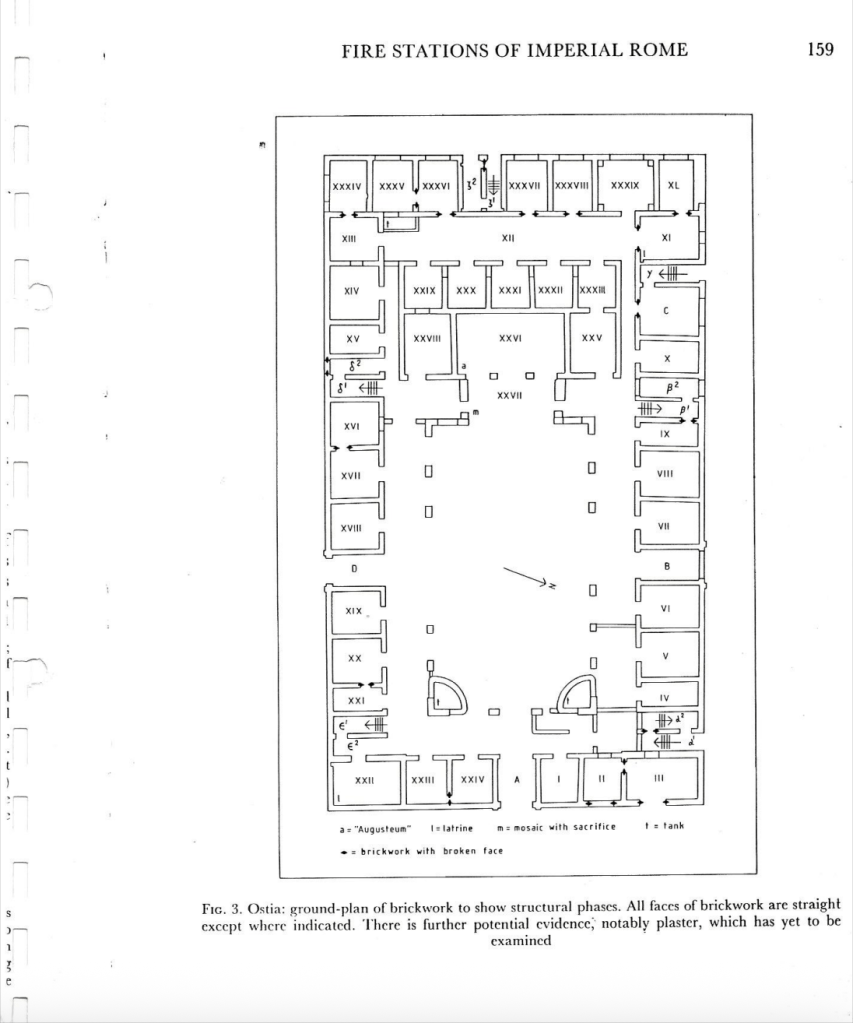
Ground-plan of the main Vigiles fire station at Ostia. This massive, organized brickwork complex shows a central open courtyard surrounded by barracks rooms, latrines (l), and a central shrine or “Augusteum” (a) dedicated to the imperial cult.
Demolition teams: Often, you could not put a fire out, so you had to starve it. Armed with massive iron hooks (uncini) and long-handled scythes (falces), these crews aggressively tore down burning roofs, walls, and wooden balconies. By ripping away the flammable materials of neighboring structures, they created immediate, artificial firebreaks before the wind could carry the embers across the narrow streets.
Now that we’ve heard about the methods of fighting the fires, it is also important that we also examine the methods of prevention which come in the form of legal regulations. As Shamiqua mentioned, Rome in ancient times consisted of very tall buildings, with the top levels being built of wood and each building being built close together. They were described as narrow and having made it easy for flames to spread because of such close proximity.
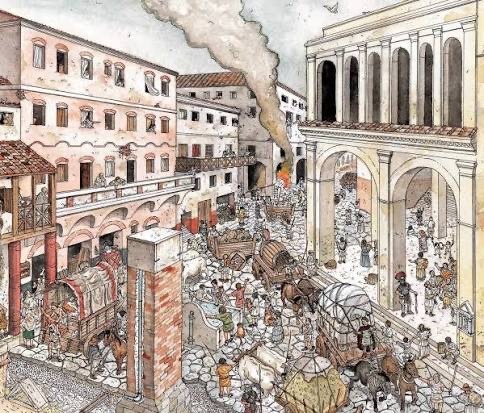
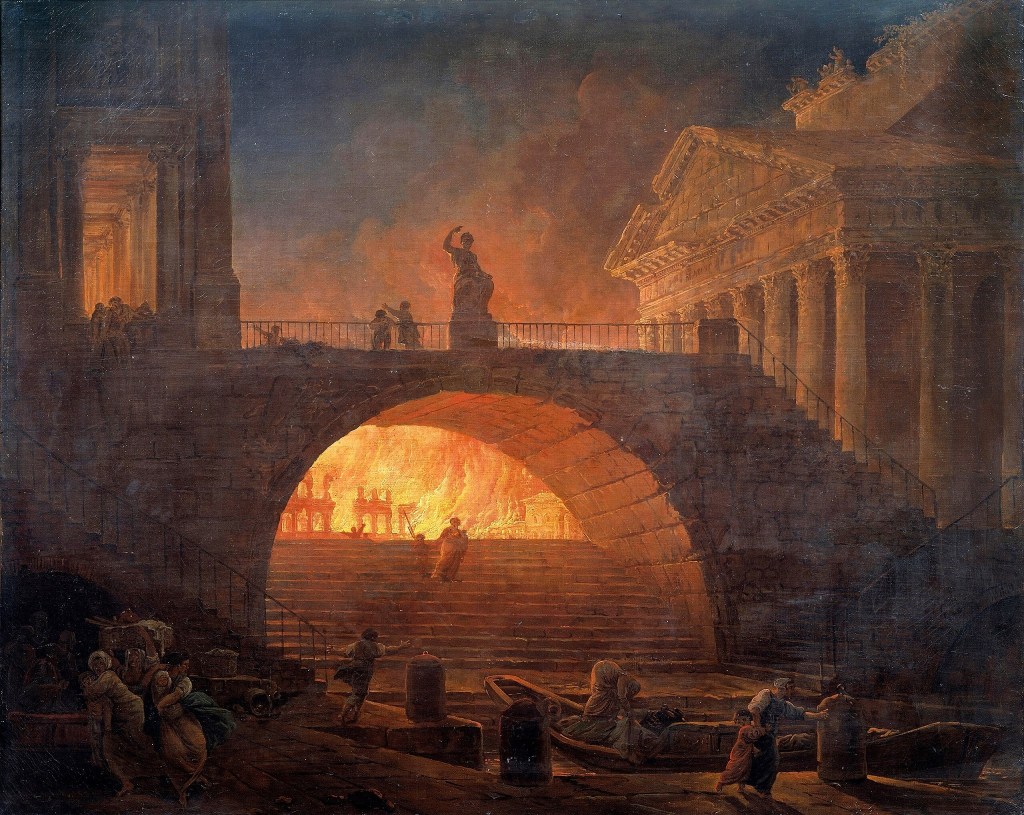
I still feel as though in modern times the buildings are pretty close and the alleyways are narrow but obviously they’re far enough for code of conduct regarding fire prevention. In ancient times, though there were many times the city had fallen victim to flames, one garnered the name of The Great fire of Rome which took place in July of 64 AD. “Cramped” shops which were overrun with manufactured goods and crops were the origin of the fire which quickly spread throughout the heart of the city. An article I read painted a vivid picture of the scene and talked about how it left the masses desperate and scrambling to find safety.
It was described in the article as having a demonic glow which was interesting to me because it seems as though the author is catering to the view point of ancient Romans who struggled with Fire fighting not only because of the poor architectural setting but also in large part because during the medieval times fires were viewed as a supernatural act and were warded off by sacred bells and exorcisms.
Klitzke, Ramon A. “Roman Building Ordinances Relating to Fire Protection.” The American Journal of Legal History 3, no. 2 (1959): 173–87. https://doi-org.brooklyn.ezproxy.cuny.edu/10.2307/844284.
“ANCIENT MODES OF EXTINGUISHING FIRES.” Scientific American 22, no. 5 (1870): 80–81. http://www.jstor.org.brooklyn.ezproxy.cuny.edu/stable/26038164.
https://origins.osu.edu/read/great-fire-rome
Bibliography coming soon
By Shamiqua and Danielle


Leave a comment