
Word count : 814
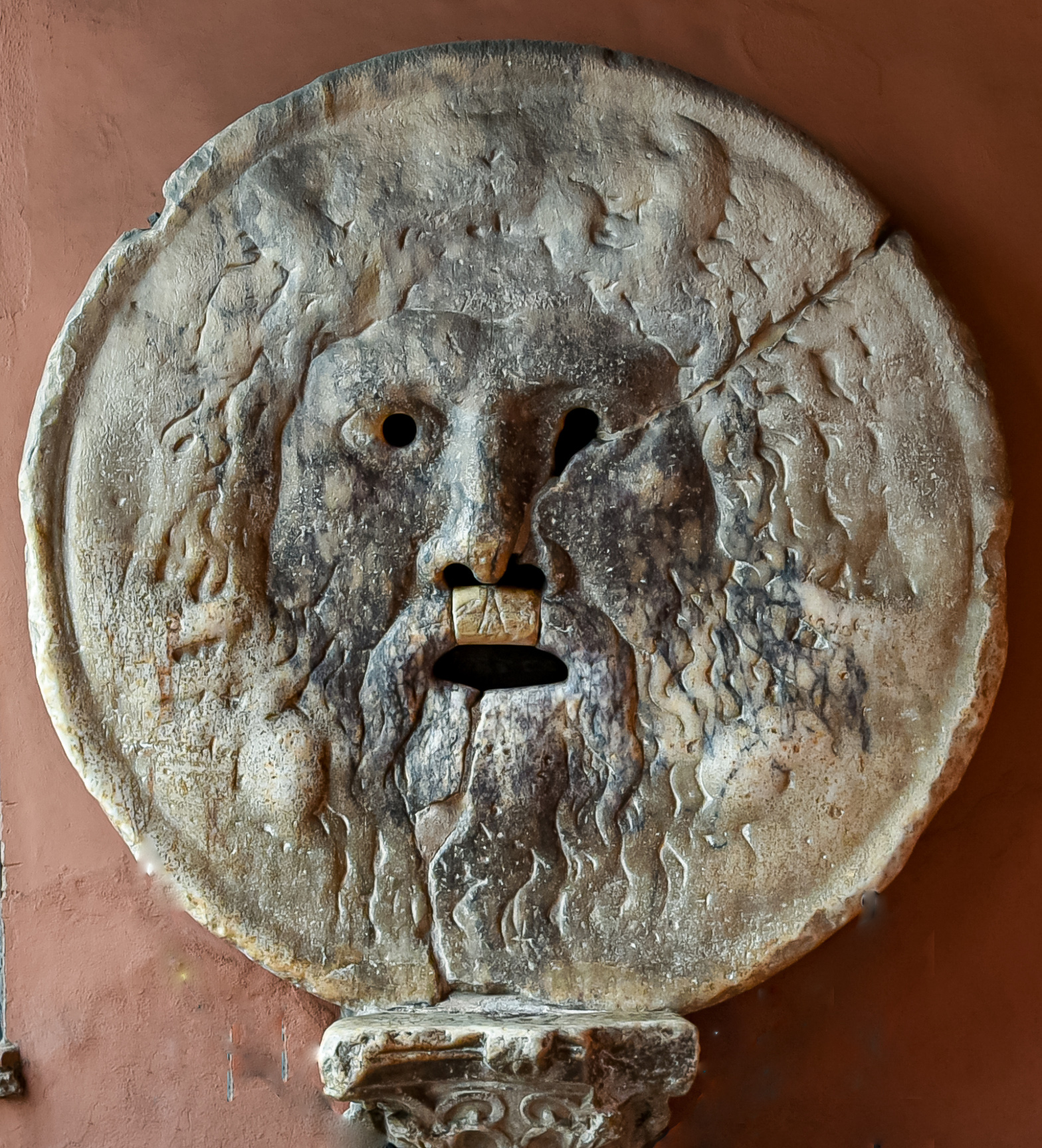
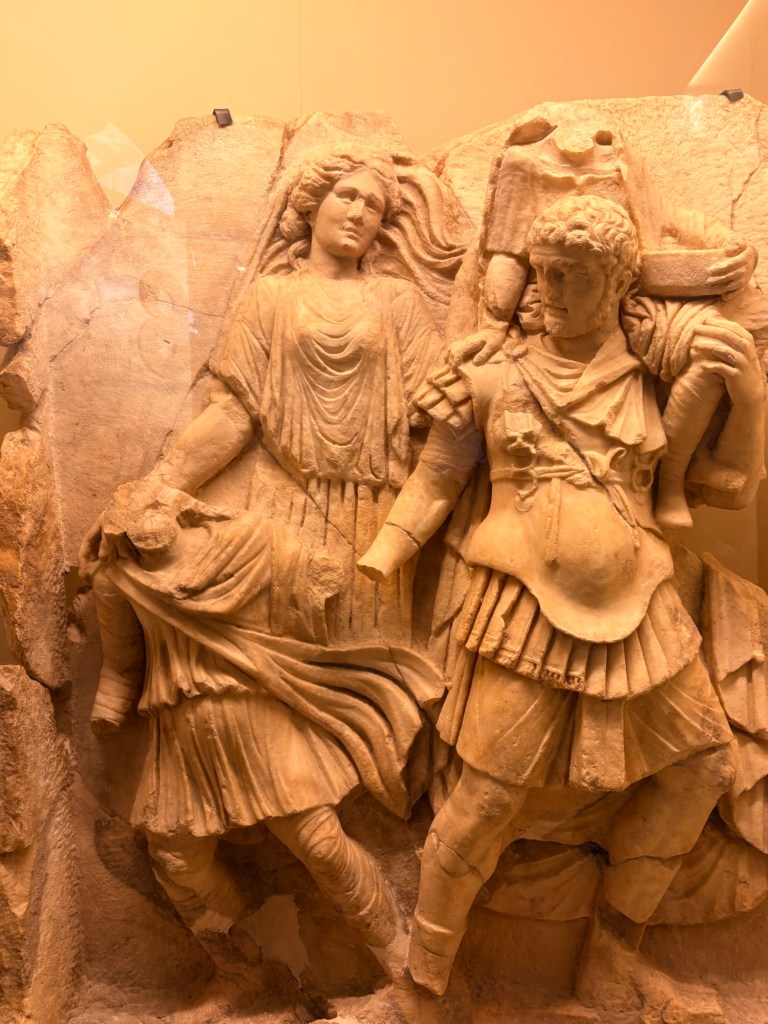
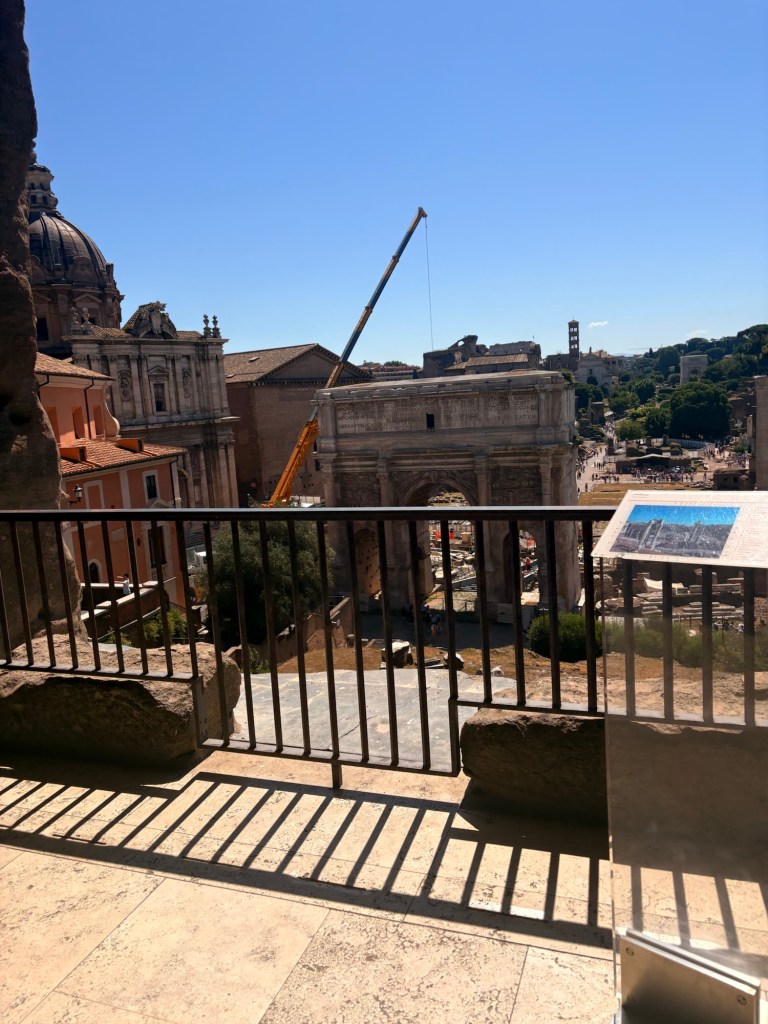
Leading up to date seven, we’ve all explored a series of museums, some of which I’ve more interesting than others, but each very informative and enlightening about the history of Rome. My favorite artifacts so far have been any murals we’ve seen, especially the more intricate and detailed ones. When it comes to the antiquities we see a lot have been exposed to weathering and damage, yet we are able to see and imagine them in their original states thanks to museum up keeping. Others, simply look more faded because they’re kept outside and it was interesting to see how the colors change when exposed to water. In the case of statues, we’ve learned that some may have been restored overtime during later period while other have been restored by modern day historians, but either way we are able to understand their looks and roles in Ancient Rome way better with such care. It’s is interesting to know the research that goes into finding out which period something comes from as opposed to when it was restored based on the materials used and markings left behind such as the books we viewed at the academy. I love viewing the artificers under museum lighting because of the way it glorifies them and I don’t think they’re done justice when they’re exposed to the elements and fading from outside but I also understand that not everything can be put in a case. As for the monuments and structures that are outside, I’ve realized how helpful it is that some have been moved to other locations because Roman history is so complex and has so many different moving parts throughout each period that left behind traces in all different parts of the city, so moving them into similar areas such as the outdoor site by the Paletine is a good form of organization that helps us better understand the origins of these structures.
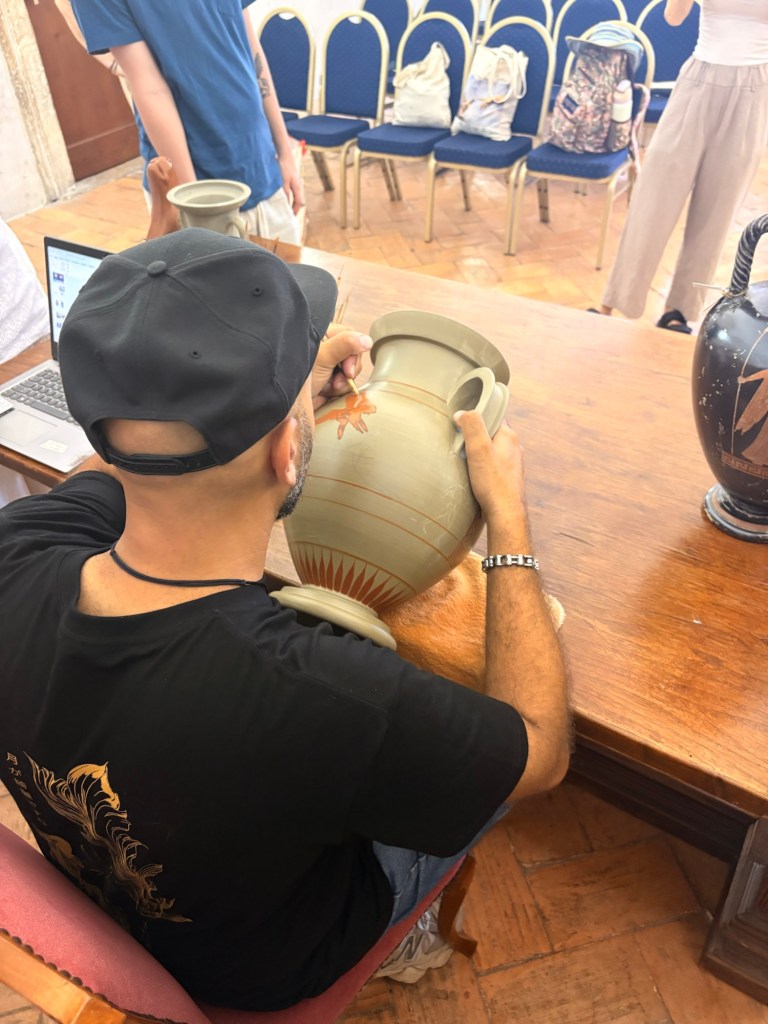
When it comes to how we view these sculptures and restorations two things come to mind which are the replicas and the stands. I don’t have a picture, but I distinctly remember seeing one sculpture of a buffalo which was 3D in the way that a piggy bank would be. However, the sculpture was broken and incomplete, and instead of restoring it based on the few piece they had, a clear plastic silhouette of a buffalo was placed in the middle and the original pieces were suspended around it and held together with a plain grey clay. On the other hand there are the recreations, which we were lucky enough to get a live demonstration of. Being able to pinpoint what method were used by ancient Roman’s and recreate such identical artifacts is amazing and makes me personally wonder how they decide on what type of restorations to do on which pieces.
For the assigned reading for Day seven, one quote I found interesting states “The Capitol and the theater of Pompey, both works involving great expense, I rebuilt without any inscription of my own name. I restored the channels of the aqueducts which in several places were falling into disrepair through age, and doubled the capacity of the aqueduct called the Marcia by turning a new spring into its channel.” To have written records from the empire’s is an important part of understanding EVERYTHING about Roman culture because the start of every aspect of Roman life from the architecture to the art itself centered around the values regarding emperors and Gods. This quote in specific is kind of funny to me because this emperor is not only making a record of the changes he is making for the city, but noting that he is doing it at his own expense which may seem like normal context to include, but when you look at the larger picture and compare the differences between emperors, this is an extremely important point. From emperor to emperor, each had theirs own agenda for what they wanted the city of Rome to look like from the landmarks they had built to the places they conquered and the names they tried to erase. Learning about the strategic actions each one took to change the society through preservation and erasure reminds me of modern day reality shows such as big brother and is really reflective of the common relationships between people and power, something professor yarrow touched on when she talked about the cylcle of politics and Gen Z would probably call a cannon event, lol.
One thing Ive appreciated so far was being able to compare what we learned in class to what we were actually seeing in person. Reading about Roman art and architecture is one thing, but standing in front of these objects makes the history feel much more real and personal and has definitely made me a little more interested in how historians piece together the past.
Outdoor exhibits


Leave a comment