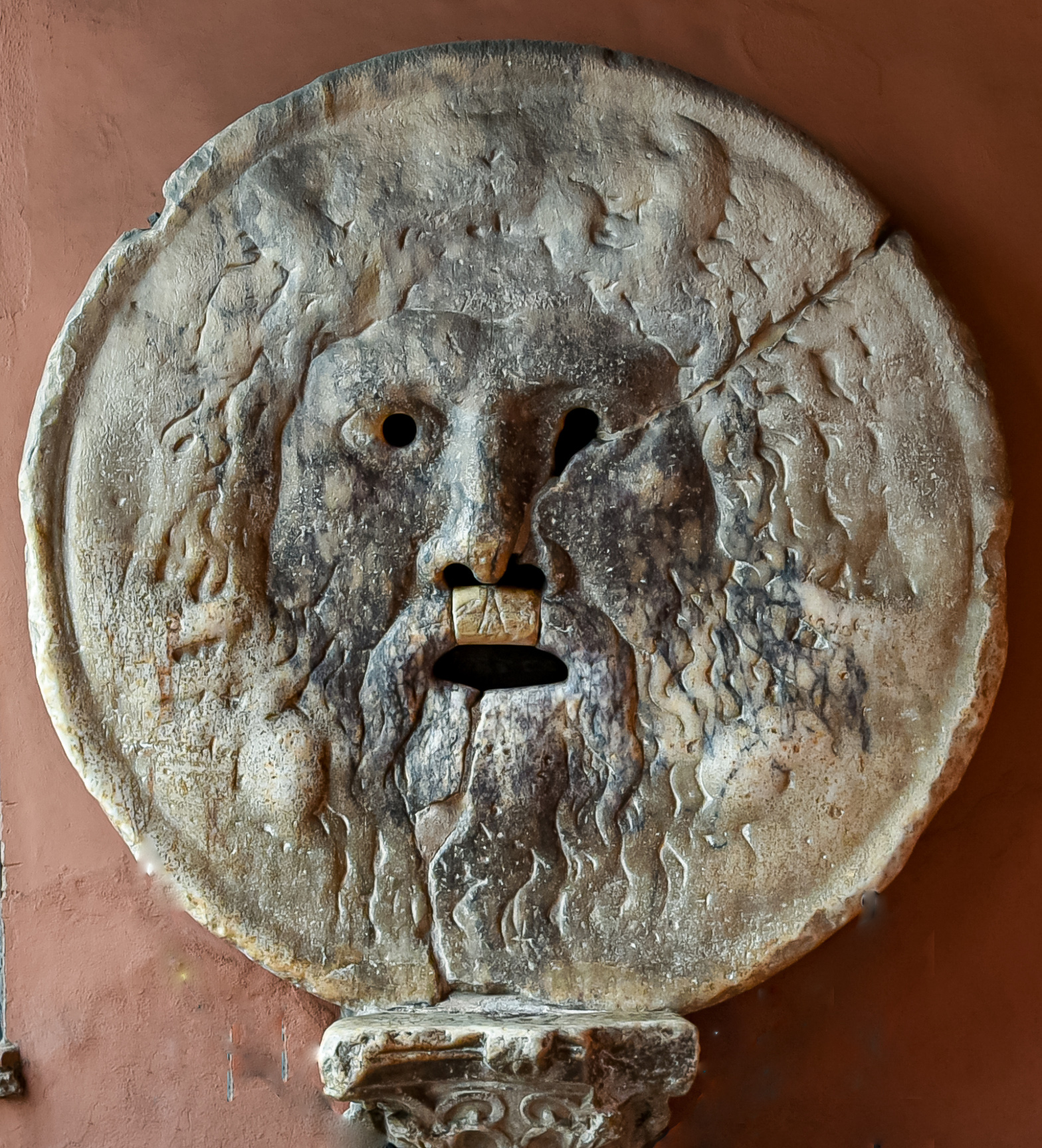

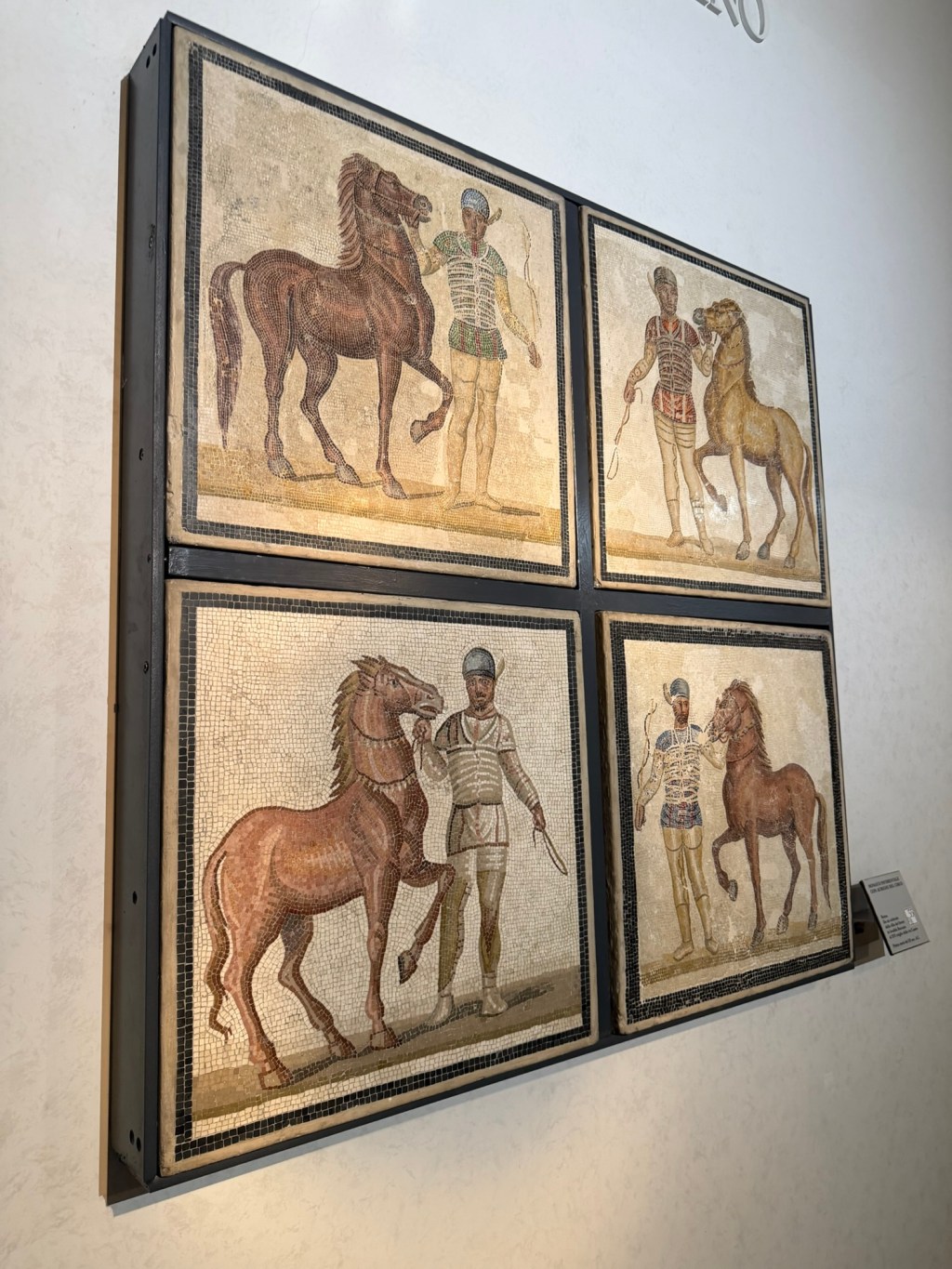
When people think about entertainment and entertainers in Ancient Rome, gladiators are often the first people that come to mind; however, horse racing — especially chariot racing — was actually one of the most popular public events in the Roman Empire. These races attracted enormous crowds and required an incredible amount of planning. Behind every race were trainers, builders, veterinarians, and skilled drivers who all worked together to make the event possible.
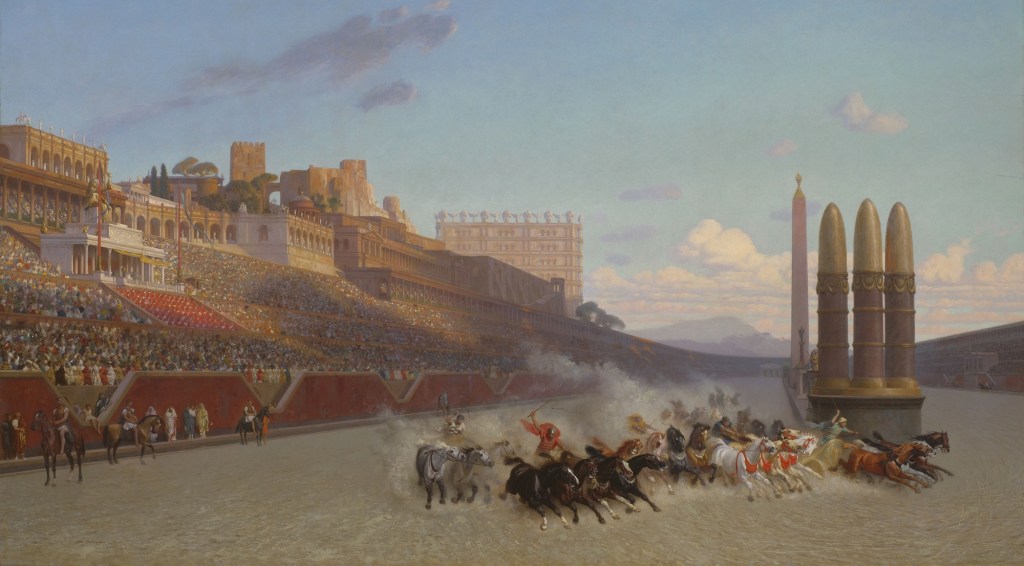
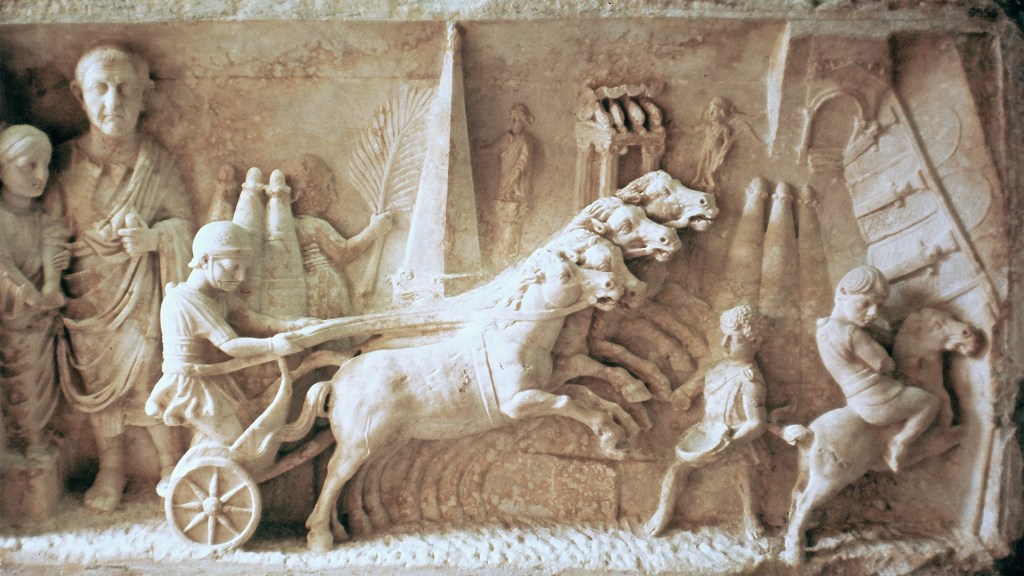
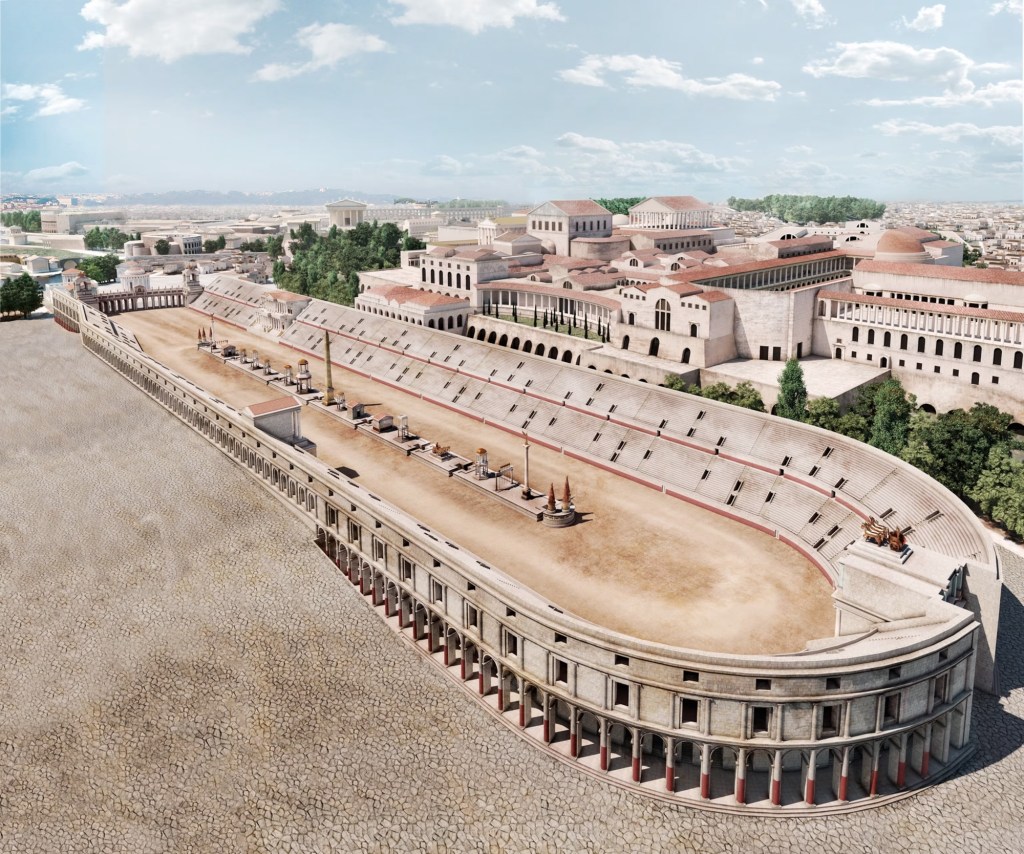
Most races took place at the Circus Maximus, the largest racing stadium in Ancient Rome. The stadium was over 2,000 feet long and could hold well over 150,000 spectators. At the Circus Maximus, seating was less bifurcated between men and women. As such, it became a social — and sometimes romantic — outing for people of all social classes to mingle. Every part of the Circus Maximus design had a purpose, too. The starting gates allowed all competitors to begin at the same time, while the long center barrier, called the spina, separated the two directions of travel and forced drivers to make seven dangerous turns around the ends of the track. The size and layout of the Circus Maximus allowed officials to manage huge crowds while giving spectators a clear view of the race.
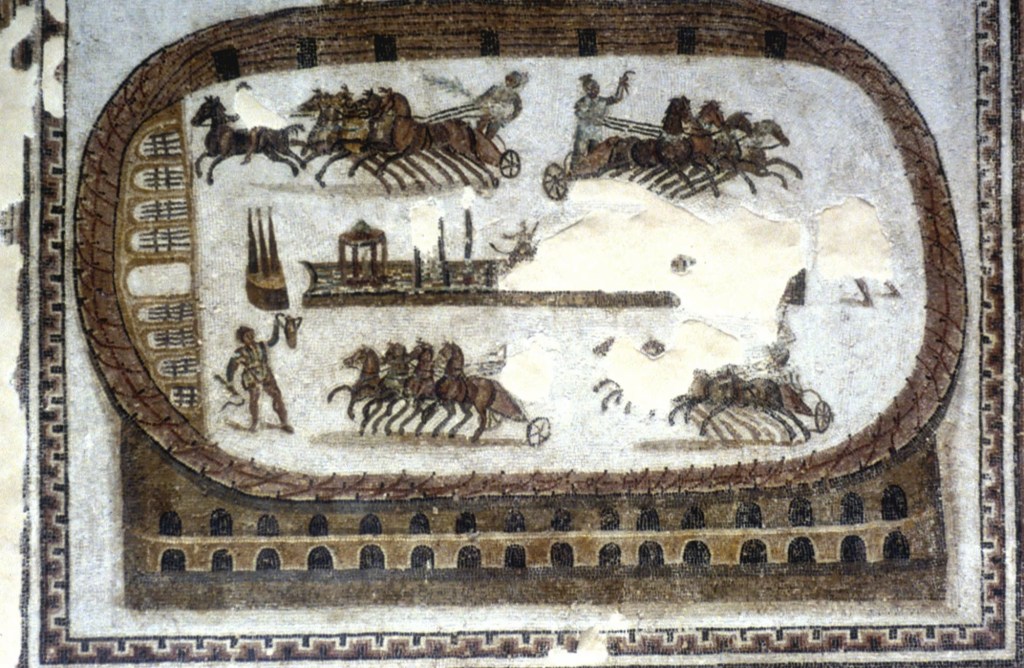
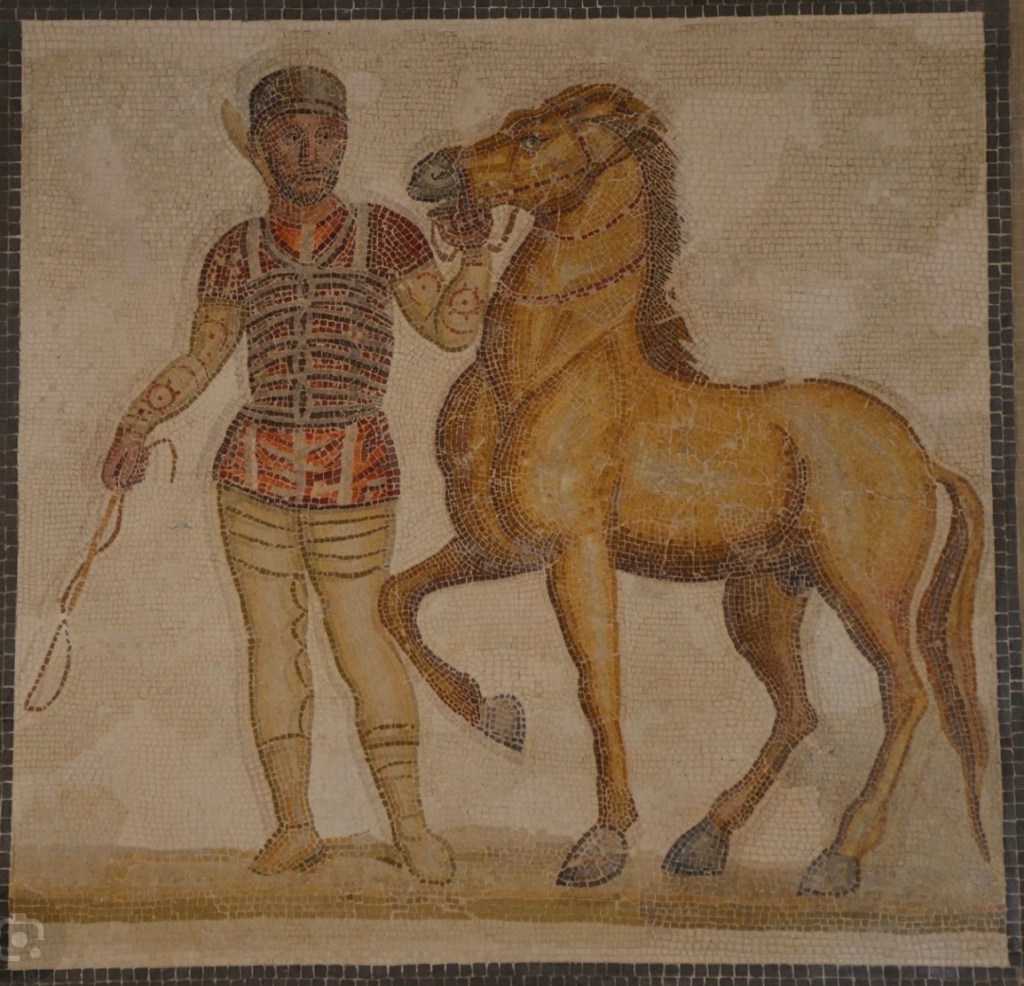
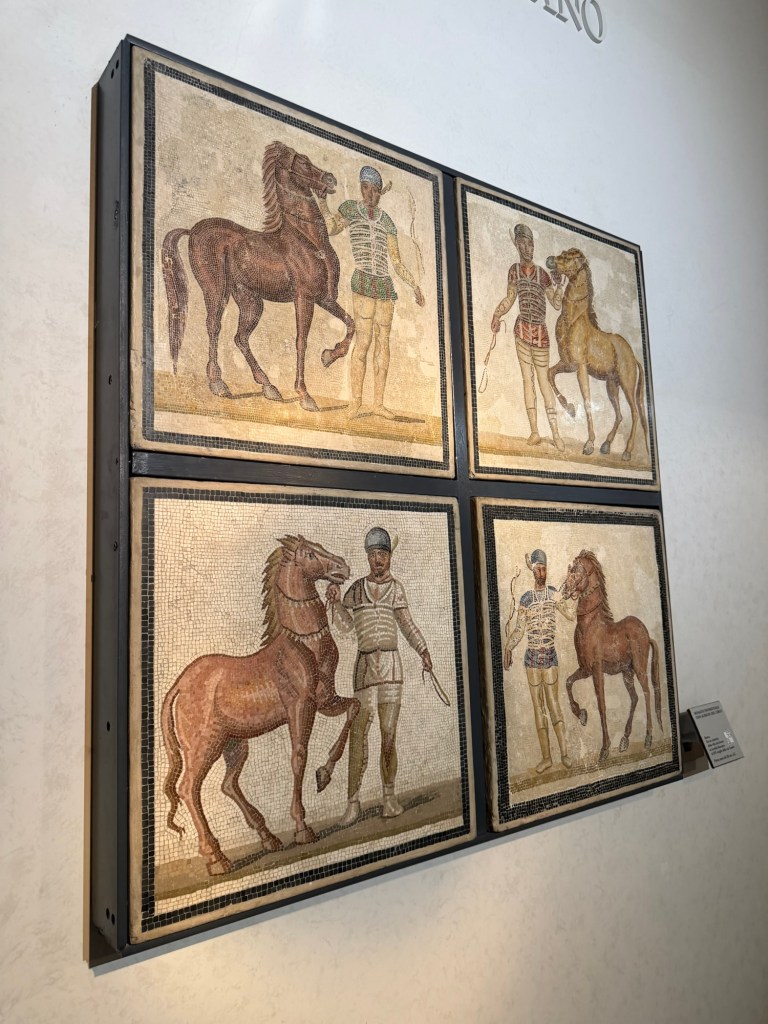
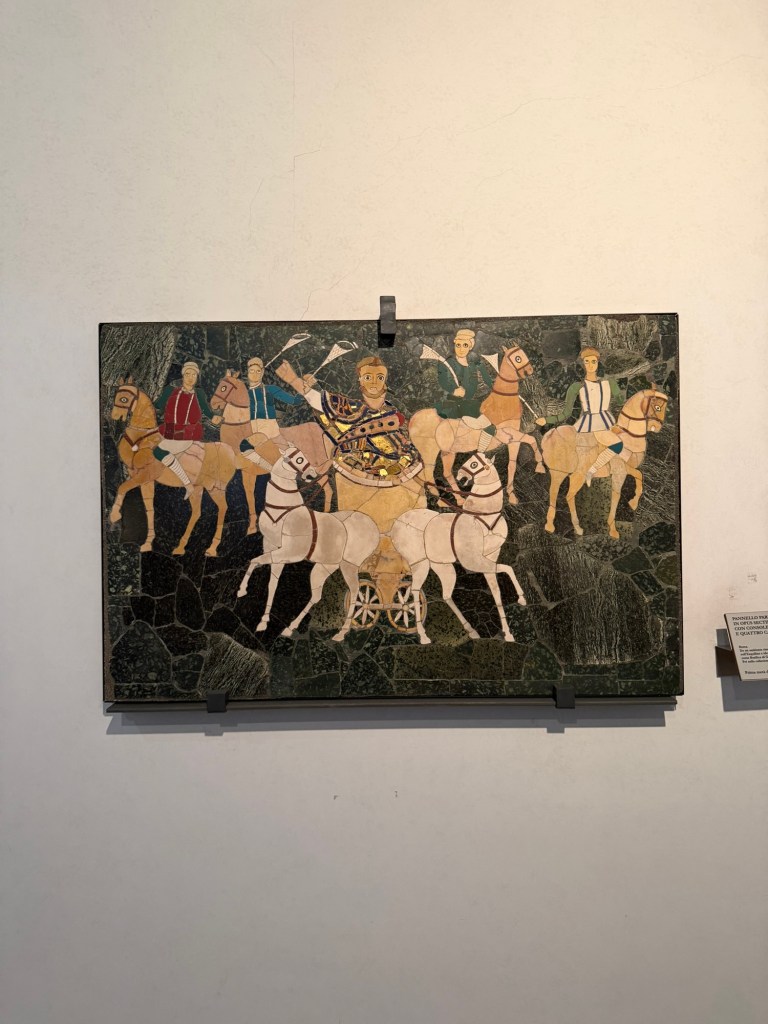
The horses were one of the most valuable parts of the sport. They were carefully bred for speed, strength, and endurance, with many coming from regions such as Spain and North Africa, where horse breeding was well established. Training began long before the horses ever entered a race. They had to become comfortable running in teams, responding to commands, and maintaining their pace during sharp turns — all in an arena surrounded by screaming spectators and other racing teams. Since four horses pulled each chariot, they needed to work together almost perfectly. If one horse panicked or lost rhythm, it could cause a crash involving several competitors. While only the two centermost horses were attached to the yoke, the outer horses acted as a means of stabilization as the chariot made a turn. The horse closest to the spina would slow down for the turn while the horse farthest from it would speed up. This system allowed the chariot to swing swiftly across the bend of the spina.
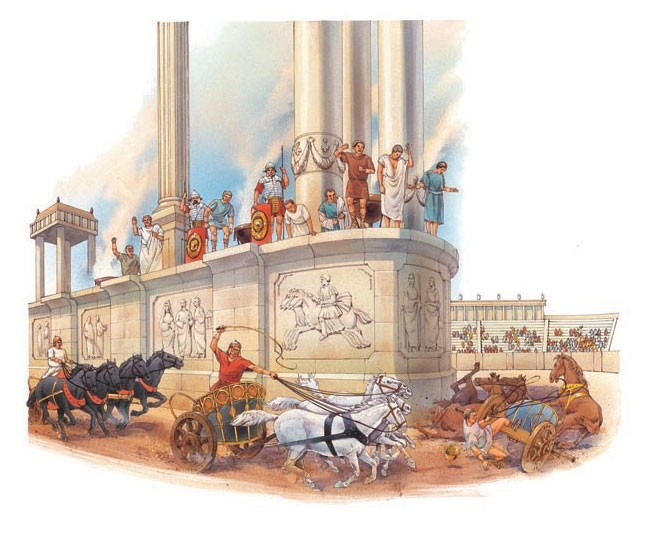
Roman racing chariots were designed to be as light as possible without falling apart during competition. They were mainly constructed from wood with metal reinforcements around important joints. The lighter the chariot, the faster it could travel, but this also meant there was very little protection for the driver. Speed was often valued more than safety, making accidents common throughout the races.
The charioteer was responsible for controlling four horses while racing at high speeds around the Circus Maximus. They had to guide the horses through sharp turns, avoid collisions, and decide when to pass other racers. Many wrapped the reins around their waist for better control, but this was dangerous because they could be dragged if the chariot crashed. As a result, many charioteers carried small knives with them to cut the reins in an emergency. Skilled charioteers became famous across the Roman Empire and often earned large prizes and loyal fans.
The races were organized by professional factions rather than individual competitors. The four major factions — the Blues, Greens, Reds, and Whites — owned horses, hired trainers, employed stable workers, maintained equipment, and signed talented drivers. In many ways, these organizations worked similarly to modern professional sports teams. Fans often remained loyal to one faction for life, creating intense rivalries that made race days even more exciting.
A successful race depended on much more than the competitors themselves. Workers prepared the track, inspected horses and equipment, opened the starting gates, counted laps, and kept the races running on schedule. Veterinarians cared for injured horses, while stable workers fed, watered, and cooled them before and after the races. Hundreds of thousands of spectators also had to enter and leave the stadium safely, making crowd management another important part of the event. Considering that several races could be held in a single day, the organization behind these games was remarkably advanced.
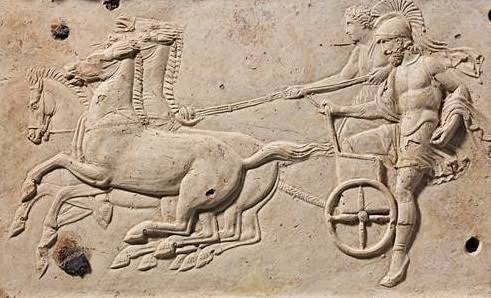
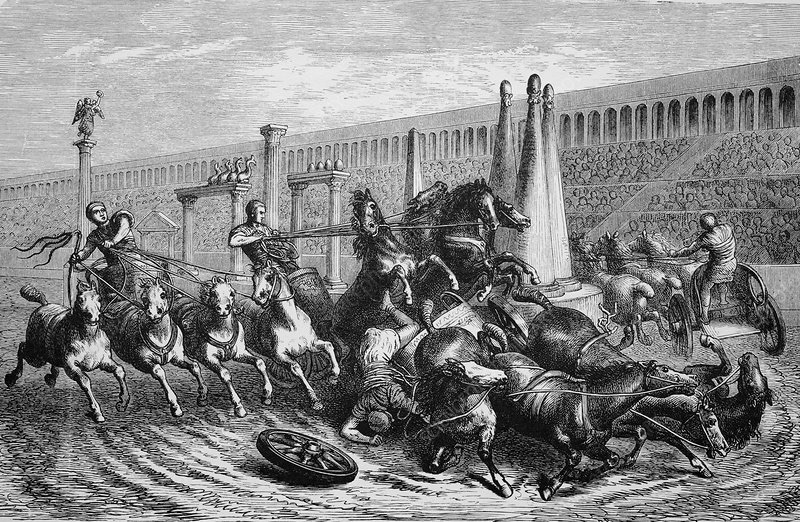
Even with careful planning, horse racing remained one of the most dangerous sports in Ancient Rome. Drivers competed aggressively for the inside lane, where even a small mistake could cause multiple chariots to collide. These spectacular crashes were known as naufragia, meaning “shipwrecks,” because the wrecked chariots resembled broken ships. Although dangerous, these moments added to the excitement and kept spectators coming back.
One of the most prolific charioteers was Gaius Appuleius Diocles. He raced for about 24 years and won more than 1,400 races out of the over 4,200 he raced in. By the time he retired, he had earned around 35.9 million sesterces, an amount that historians estimate would be worth hundreds of millions of dollars today. Many scholars consider him the highest-paid athlete in history when adjusted for the Roman economy. Much like Secretariat and his rider, Diocles’ strategy involved allowing his opponents to take the lead before speeding up and passing them in the final lap. His success shows just how popular and profitable chariot racing was in Ancient Rome.
Highly recommend watching this clip from Ben Hur: https://youtu.be/1LVp4tvl5O4?is=HQlMbJcf6hXld2pF
Bibliography
Cartwright, Mark. “Chariot Racing in Ancient Rome.” World History Encyclopedia. February 2, 2023. https://www.worldhistory.org/article/2150/chariot-racing-in-ancient-rome/.
Encyclopaedia Britannica. “Circus Maximus.” Accessed June 30, 2026. https://www.britannica.com/topic/Circus-Maximus.
National Geographic. “Inside the Thrilling Chariot Races of Ancient Rome’s Circus Maximus.” May 26, 2026. https://www.nationalgeographic.com/history/article/ancient-rome-circus-maximus-chariot-racing.
PBS. “Chariot Races.” The Roman Empire in the First Century. Accessed June 30, 2026. https://www.pbs.org/empires/romans/empire/chariot.html.
Walks Inside Rome. “Rome Chariot Racing: History, Facts & Ancient Circus Sites.” Accessed June 30, 2026. https://www.walksinsiderome.com/blog/rome-chariot-racing-history-facts-ancient-circus-sites/.


Leave a comment