
Word count – 800
Time to read – 6 minutes
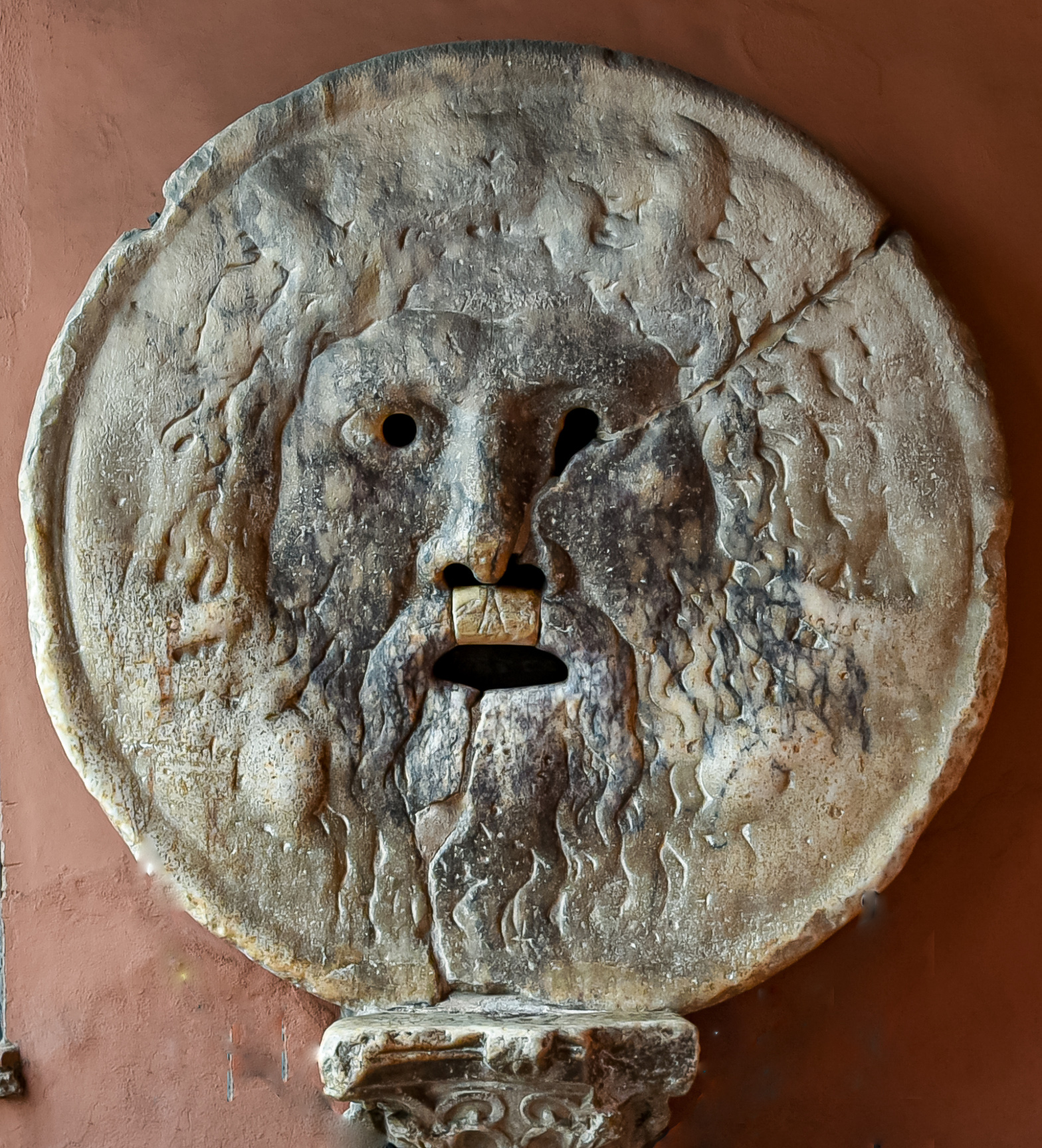
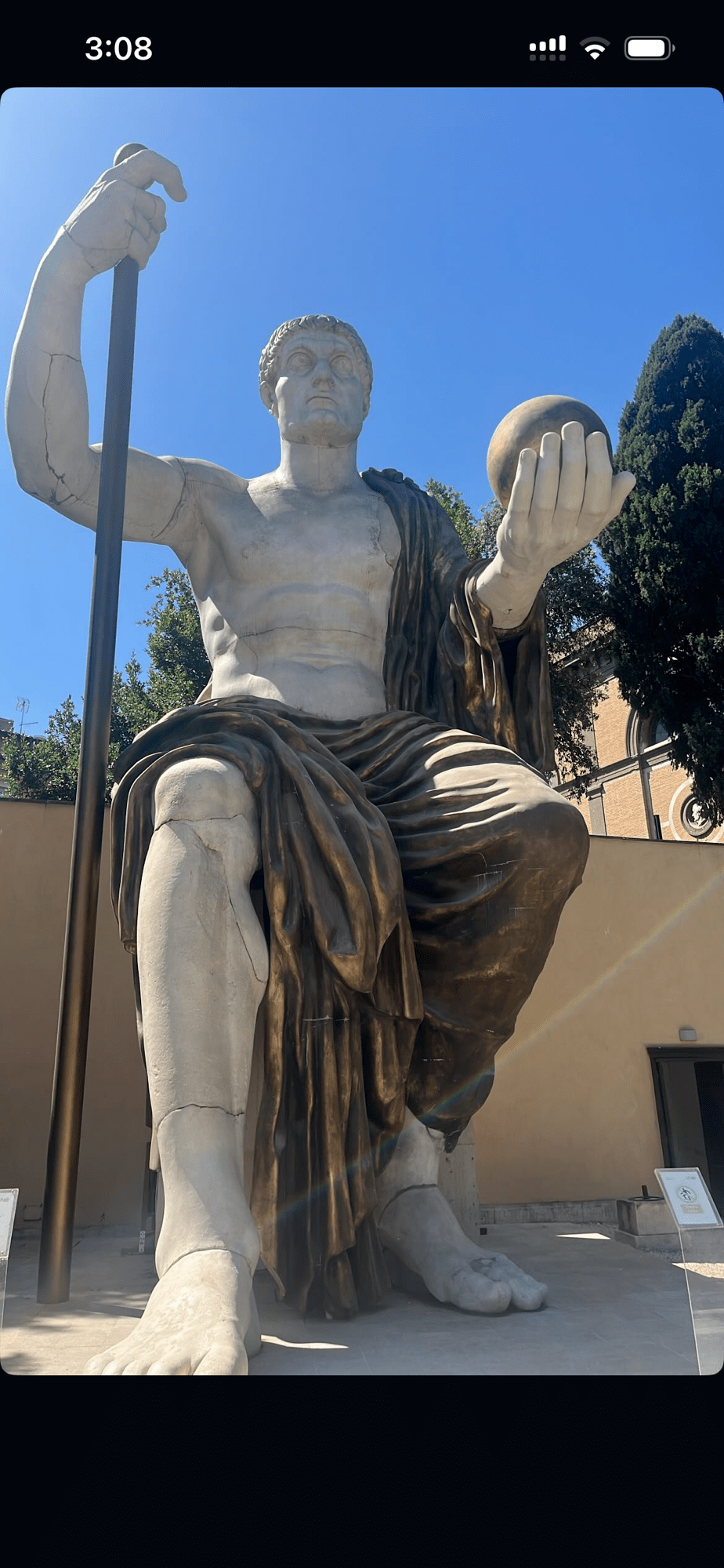
The Capitoline Museums were my favorite museums of the trip. While I knew I would see beautiful sculptures and ancient artifacts on display, they still shocked me with their size and powerful imagery. Walking through the Capitoline made me recognize how significant the Capitoline Hill is. It is more than just another excavation site because versions of Rome’s past both coincide and conflict here. Historical events are difficult to separate from the narrative that ancient Romans constructed about themselves. That uniqueness set this museum apart from the others we visited and changed how I think about the history. The prompt asks us to consider the meanings of “small, average, and HUGE.” My mind immediately went to the description of the Capitoline Hill in the reading. While Capitoline Hill is the smallest of Rome’s famed seven hills (which is surprising because its huge), the reading points out how it became the spiritual, political, and defensive center of ancient Rome. The Temple of Jupiter occupied the summit. The Arx and Asylum sat on two distinct hills overlooking Rome. All of these significant structures and locations existed on a relatively small piece of land but collectively symbolized Roman strength, safety, and potential for growth. I enjoyed this because it illustrates how the size of an object or location does not define its historical significance. Although Capitoline Hill is small, Rome’s identity around the hill was huge.
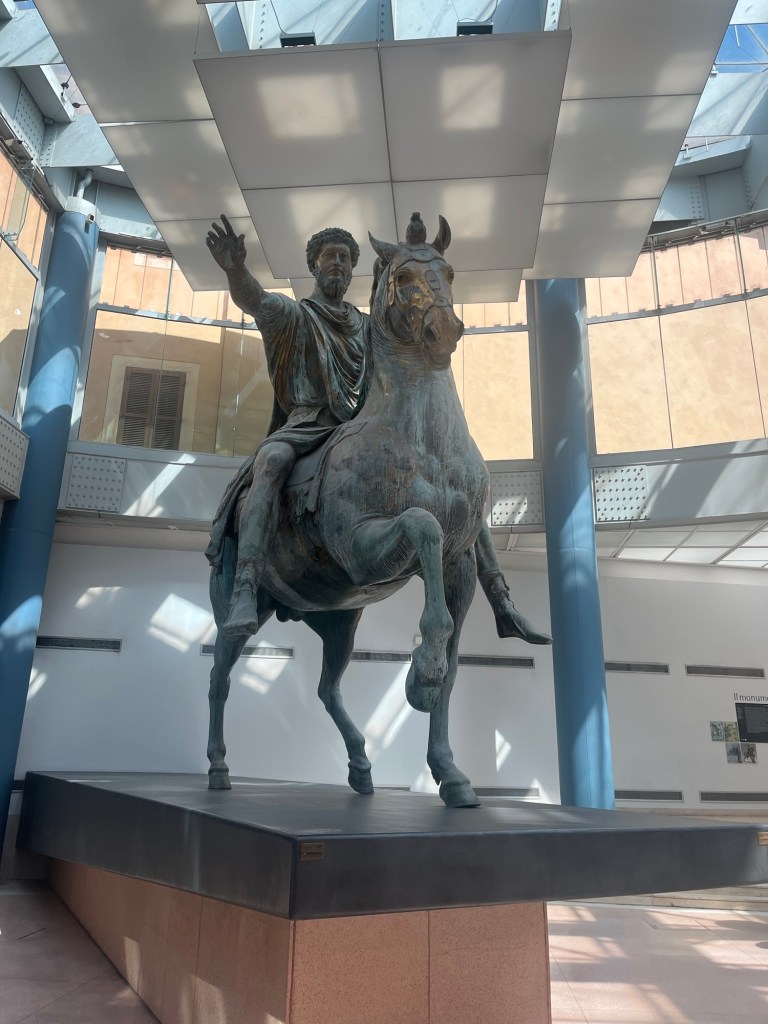
One point that stood out to me while reading was the overlapping of mythology and history. The Romans clearly blurred the lines between what we consider myth and what we consider fact. The reading retells the story of Romulus marking the boundary of the asylum and inviting foreigners to Rome to start new lives. It is nearly impossible to prove if this event occurred exactly as described, but as explained in the article, ancient Romans valued the message of the asylum. It stood for Rome’s ability to expand by welcoming outsiders into their civilization. The museum allowed me to think beyond true or false. Instead, I could consider why Romans chose to preserve that story for others. Rome became what it was in part because of the stories they told about their ancestors. Mythology can create history by shaping how people perceive themselves.
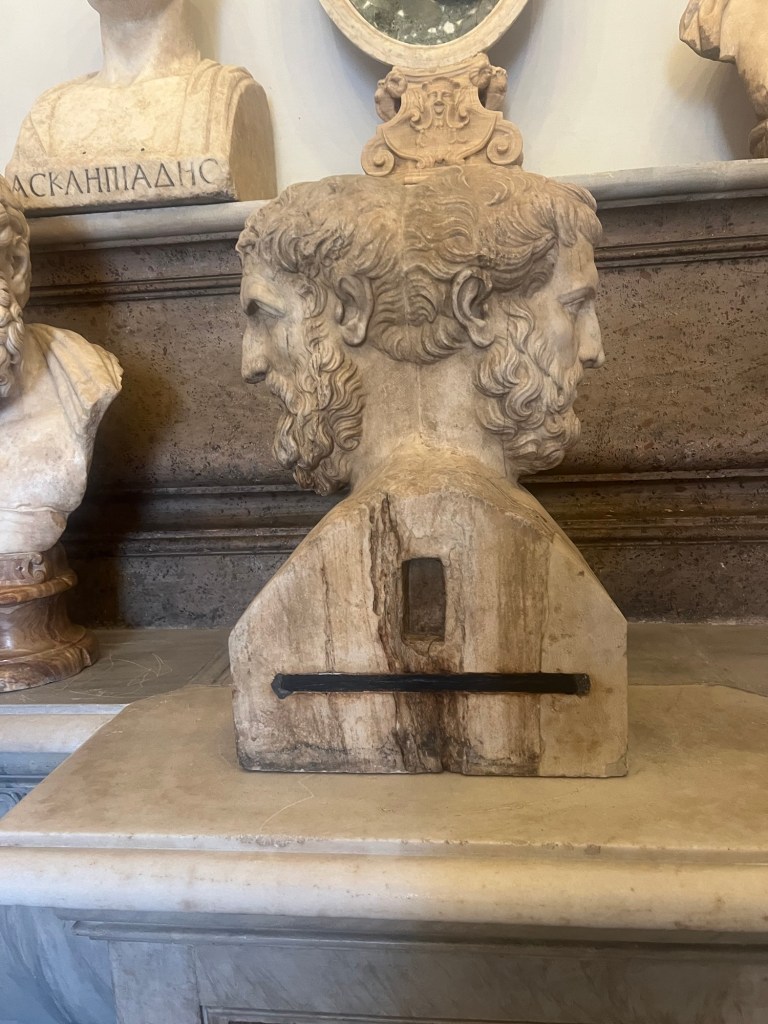
Another quote I found important from the reading is, “Even in imperial times, crowded buildings around the Capitoline’s base would have diminished the hill’s earlier acropolis-like profile.” I like this quote because it reminds us that history is not frozen in time. By the time of the Roman Empire, the Capitoline Hill no longer resembled the secluded, fortress-like Capitoline of ancient Rome. Being in that museum, I felt as if I were experiencing multiple points in history simultaneously. Ancient history is buried underground in Rome, but as new generations build, cities grow upward. Despite constant development, parts of the past are always preserved beneath the surface. I feel as if this museum portrayed history differently than other sites we’ve visited.
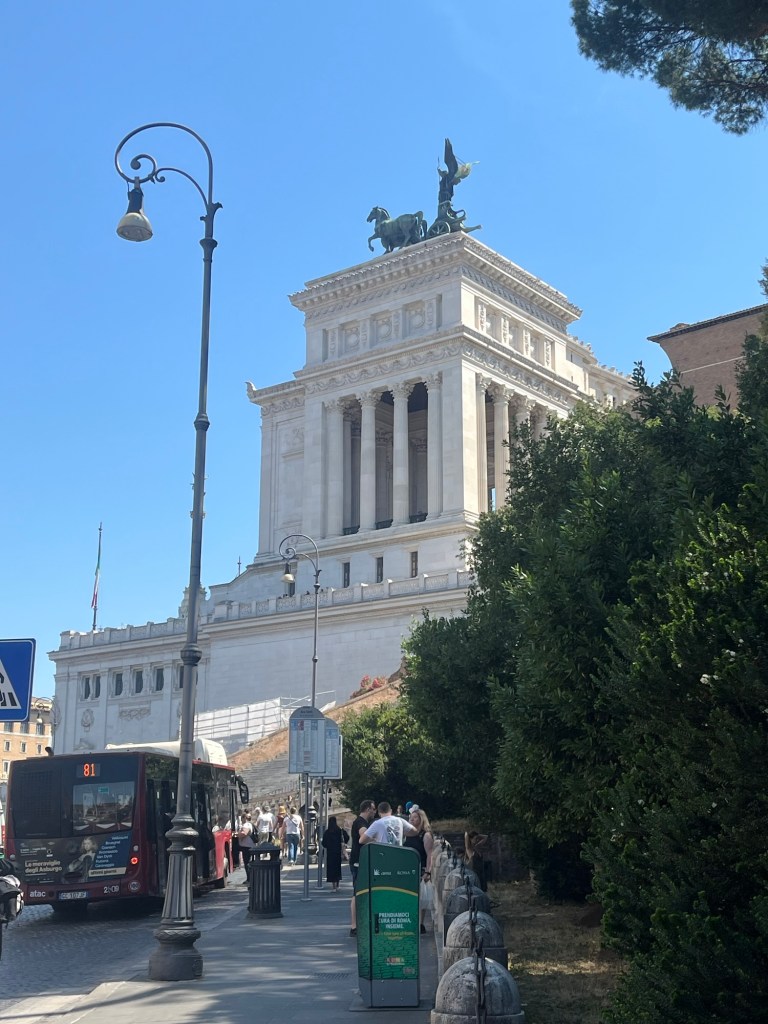
At first, it was a little difficult for me to distinguish between what was a legend and what was not archaeologically proven. The reading weaved between factual events and stories of Romulus and his wall. There were stories about the supposedly prophetic omens that occurred before the Temple of Jupiter was built. Later historical figures’ accounts are mentioned without being explicitly marked as non-legendary. I want to know the truth at first. However, as I reflected on my visit to the museum, I realized that Rome may never know for sure which stories were true. Either way, they all became part of Rome’s history. Whether parts of the story were exaggerated or fabricated, those ideals still shaped how Romans understood themselves. Something I found interesting from the reading was, “The Asylum-legend is a parable for Rome’s subsequent policy of enfranchisement.” I thought this was cool because the details may or may not have happened exactly as the legend states, but that is almost irrelevant. Once the story of Romulus’ Asylum became Rome’s origin story, it mattered because that is how the Romans perceived themselves and the growth of their city. It made me wonder at what point people in society start accepting myths as facts.
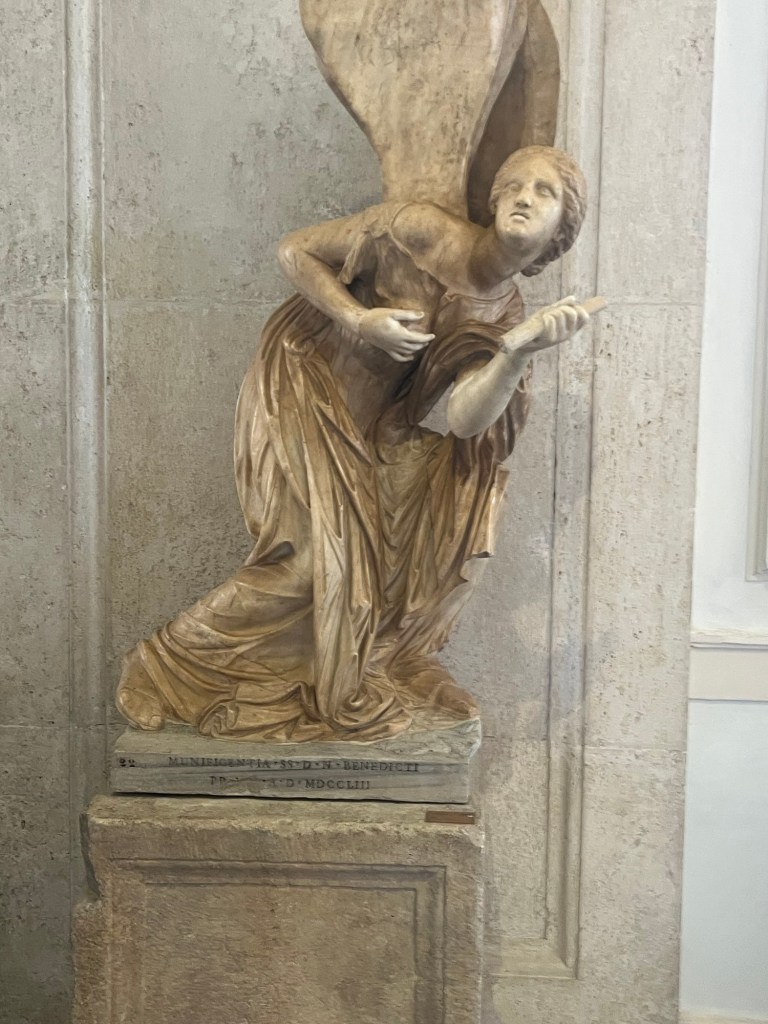
This museum reminded me of NYC. There are old neighborhoods in New York and new skyscrapers beside them. I know Rome has been around far longer than New York City, but I still noticed a theme of layering when I visited. When walking through Manhattan, you can see buildings from multiple centuries on the same city block. Capitoline Hill displays the same concept, but Rome has had the luxury of two thousand plus years to add layers. Being able to see the old Roman foundations, Renaissance architecture, and modern museum all on top of each other helped me see the city as thriving. Rather than viewing Rome as a city stuck in the past, I could see how Rome continued to live and grow from its ancient roots. The reason this museum was my favorite is that it changed how I viewed history. It showcased how religion, architecture, mythology, and politics intersected and influenced each other.


Leave a comment