
(1139 words – 6 min read)
There have been many extravagant and famous emperors in the history of the Romans. But a modern exploration of ancient queerness has unearthed an unlikely hero, Elagabalus, the third century child emperor from Emesa. In the more modern past there has been a movement to reclaim Elagabalus as a queer and trans icon, especially in cases like Oscar Wilde’s The Picture of Dorian Gray, a queer club named after him, and being relabeled as a trans woman in the North Hertfordshire Museum in England, as well as well researched historical articles.
It’s important to note that the primary sources and unfavorable accounts of the young emperor were from people likely either not in Rome or not alive during his reign.
Elagabalus, born Varius Avitus Bassianus, was from the Roman colony of Phoenicia, or modern day Syria. He lived in Emesa with his mother, Julia Soaemias; his grandmother, Julia Maesa; and his aunt and cousin, Julia Mamea and Severus Alexander.
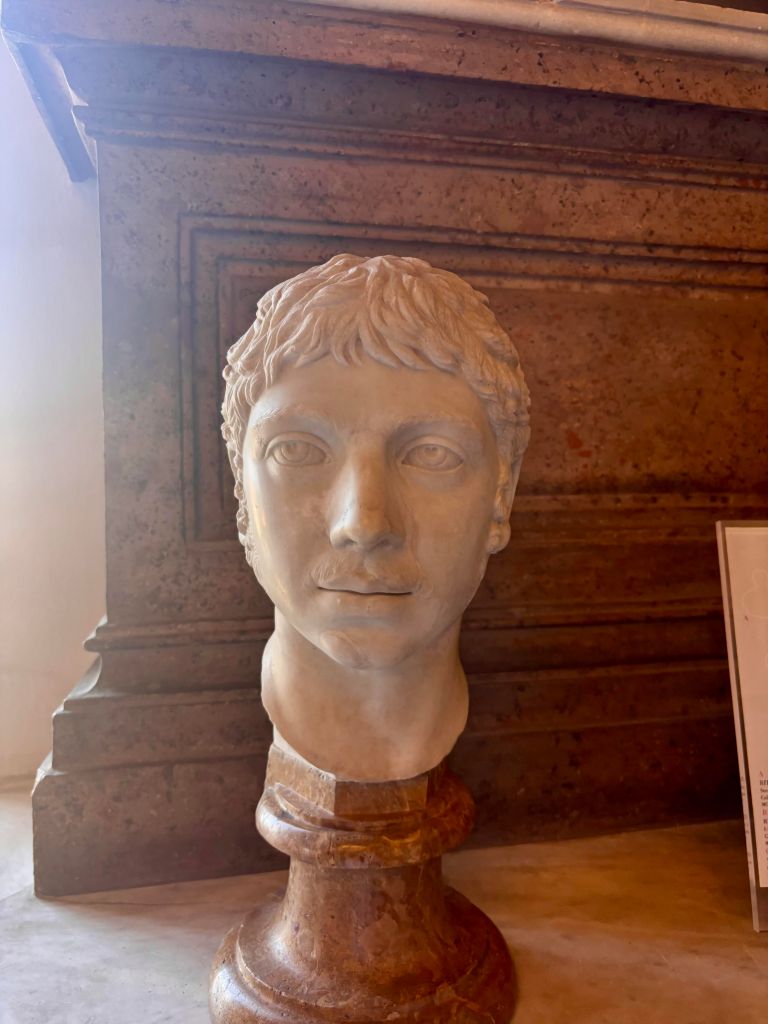
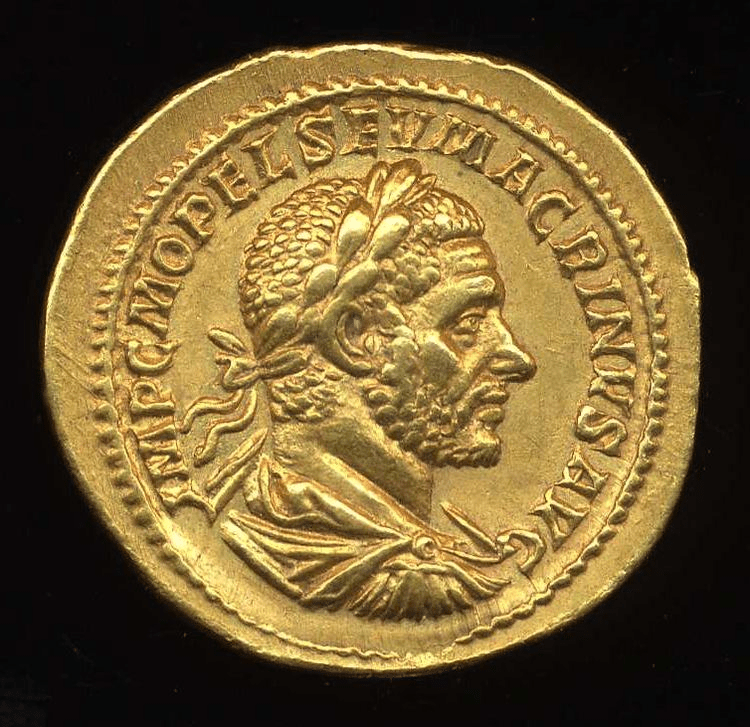
After the previous emperor, Caracalla’s death, his friend Macrinus claimed the title of emperor, but not for long, as something was brewing in Emesa. The story then continues that Elagabalus, or Heliogabalus, or Bassianus, used both his beauty and family to take over the army and overthrow Macrinus. A large part of the Emesan coup was Elagabalus’ grandmother Julia Maesa, the sister of the previous empress. Maesa used both her cunning and vast fortune to curry favor for her grandson. His mother, Soaemias’, husaband, and likely his biologically father, had died and she did not remarrry. By one of the two women’s cunning, they concocted a lie that the previous emperor Caracalla had raped both her and her sister, Mamea, and that Elagabalus was his illegitimate son, thus securing the impirial line of power.
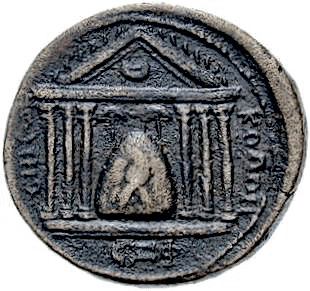
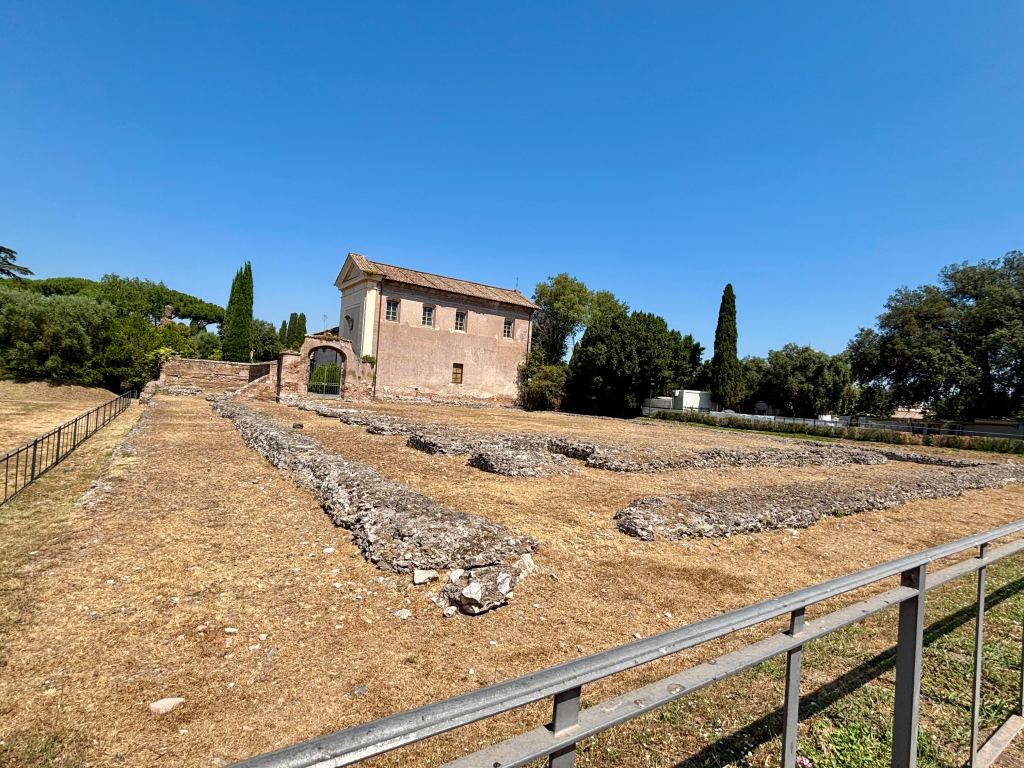
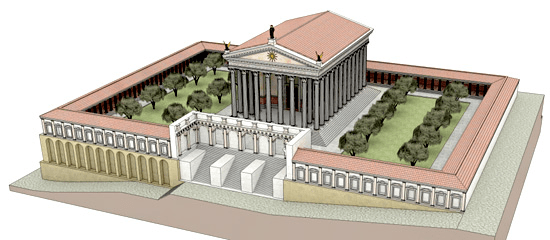
Elagabalus was declared emperor in 218. When Elagabalus moved his family to Rome with him, he brought a black conical stone to his new home, which either was or represented his god, Elagabal, the Syrian god of the Sun. He likely created a temple to this god on top of the Palatine hill – the Elagabalium, and “replaced” Jupiter with this god as the highest god in the pantheon. He married multiple times, including a Vestal named Aquilia Severa, and supposedly married his god to the Carthaginian Urania.
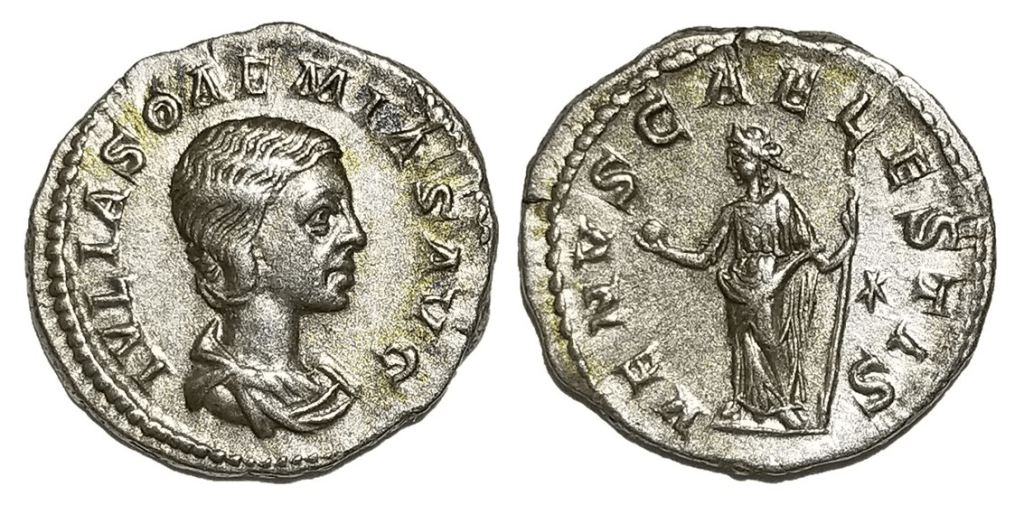
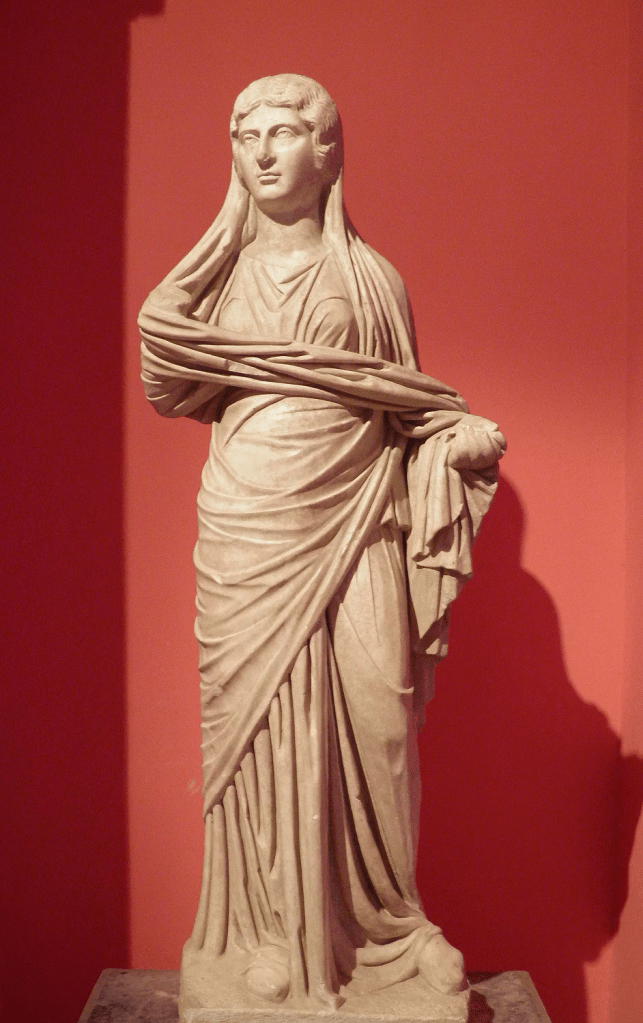
Despite the importance placed by the emperor on his Syrian religion, Maesa wanted to present herself as a traditional Roman woman, issuing coins with the personification of Puditcitia or Juno on the reverse; and not supporting her grandson’s “extreme” religious views. Her daughter on the other hand, supposedly encouraged them, including coins with the otherwise unheard of Venus Caelestis, who might have been Urania or another Emesan goddess. Maesa continues to intervene, understanding the troops dissatisfaction with Elagabalus’ rule and turning to place the even younger Severus Alexander on the throne, as the adopted son of Elagabalus. When Alexander was adopted by Elagabalus, he was likely 12 or 13, while Elagabalus was only between 16 and 17. When this idea eventually went sideways with Elagabalus, he attempted to murder his young cousin-son.

Elagabalus was murdered young, in 222, alongside his mother, and his body was thrown in the Tiber. He was condemned to damnatio memoriae by his young cousin after his death.
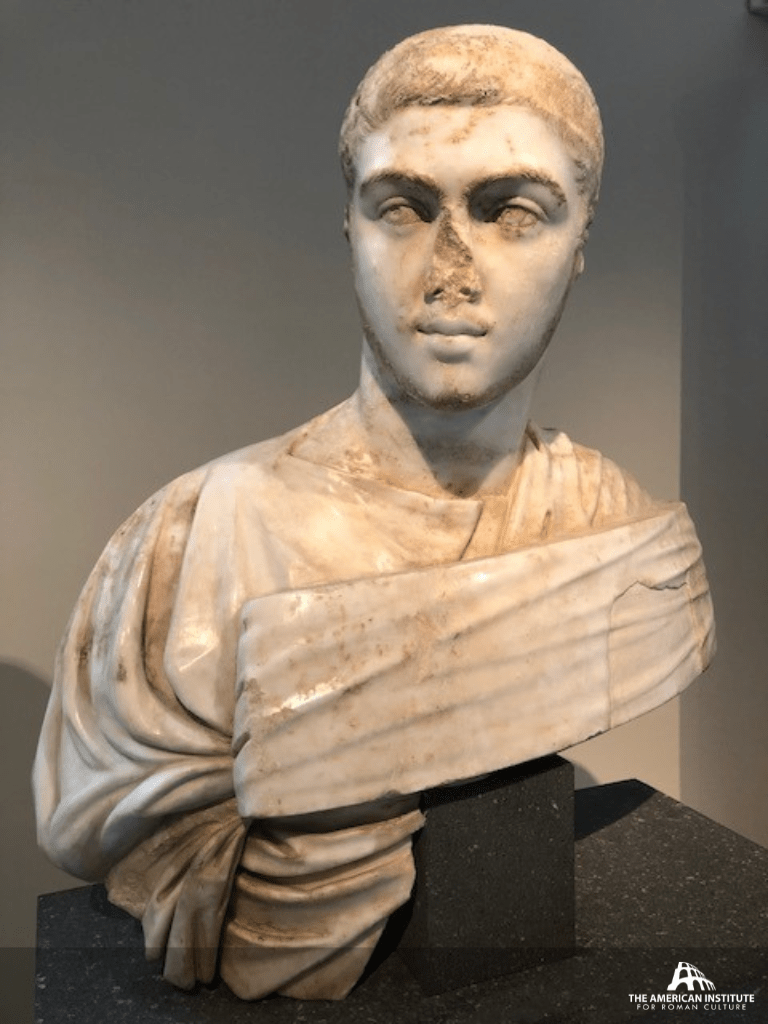
The primary sources go into wild and likely entirely fictitious detail of many sordid stories of the emperor, including that he liked to serve his guests six hundred ostrich brains, he married a charioteer named Hierocles, that he shaved his servants’ groins with the same razor he shaved his own beard, or many other tales of the multitude of well endowed men he had relations with. There is no surviving evidence of these or any of the multitude of tales told. While we cannot attest to Elagabalus’ pleasure or displeasure in having relations with men, many other elite men in Roman history had male-male sexual relationships. There are complicated stereotypes and terms for queer men in the ancient world, as they sometimes describe the nature of the relationship, the man himself, or the position he partakes in.
There are many claims of Elagabalus’ efffeminacy, sometimes interpreted by scholars as transgenderness in the primary texts. These are also unverifiable, but likely due to his style of Syrian dress.
One of the main primary sources for these kinds of claims was written later, during the rule of Constantine, and was likely used in part to discredit his rule. Thought to be extravagant for his jewelry (the imperial diadem) and gold regalia, as well as being a religious deviant, much like the young Heliogabalus in the text, who replaces Jupiter with another more important male god in his own pantheon, in a seemingly monotheistic way.
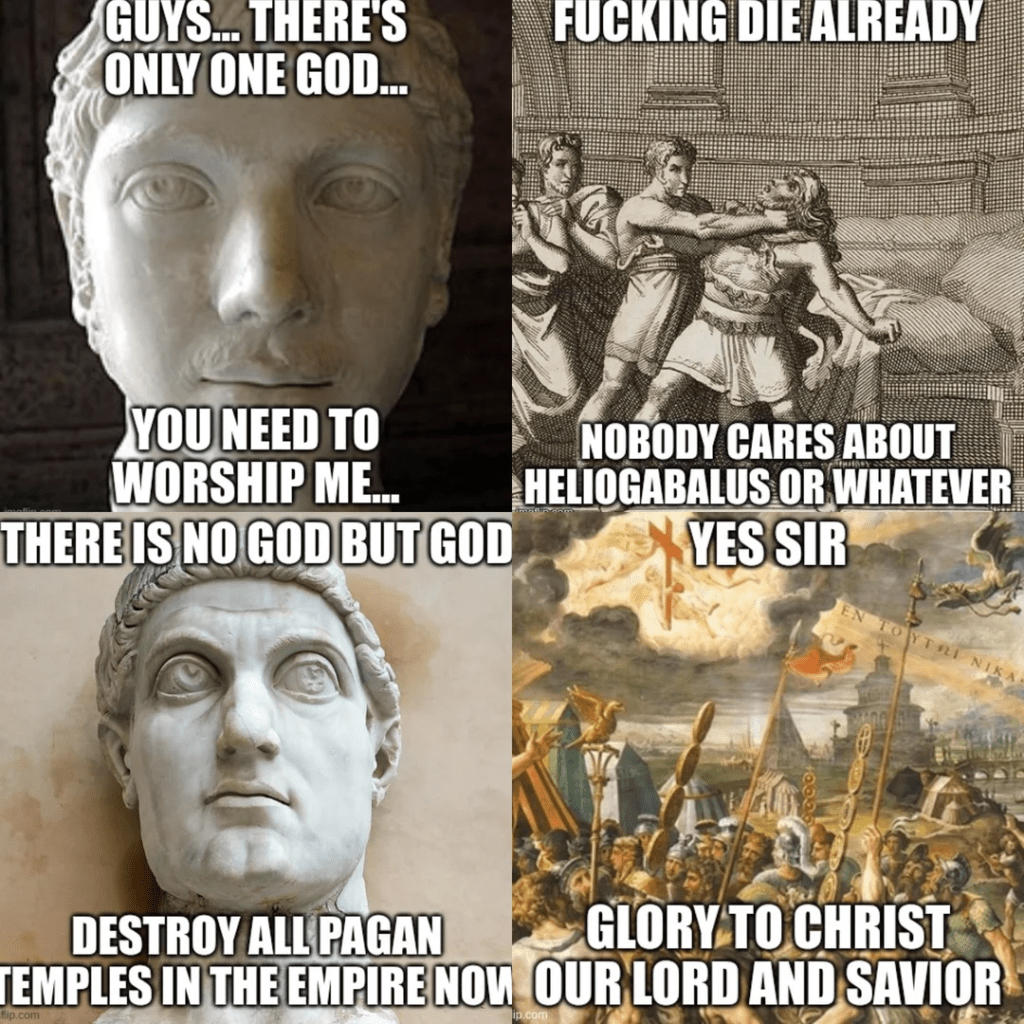
Queer people enjoy the projection of their lived experiences onto the past and scholars like to question the realities presented by the people projecting them. But who is right? I don’t have an answer. I would like to say it’s as easy as calling primary sources wildly inaccurate tales made up by politically and racially motivated men towards a child, but I must glean some truth from their accounts. Whether or not the stories of Elagabalus’ transgenderness are objectively true, we cannot know. We have no surviving writings of the boy emperor, if there even were any pertaining to his sexuality and gender. But his relationship to his god read as queer to the Romans, and his representation as queer to modern scholars. So what is queerness really? Do we define it simply as a person who isn’t straight or someone who isn’t cis? Or is queerness a way of living on the margins of gender and sexuality, in a way abnormal to society at the time? There are many stories of completely normative male-male relationships in the ancient world. Does Elagabalus even live on the margins as an emperor and as someone that history has something to remember at all – as we have lost the names of every other marginalized man and woman who lay in the brothels, in the farms, in lifelong servitude. I believe that Elagabalus is queer, not because we are entirely certain of his gender and sexual identity, but because he lives in the space between in the society he was placed into. The stories are not always true, but the thing is that the authors, and the Roman people, remember him as marginalized, as an “other” in their terms. In the end Elagabalus was a teenager in an impossible situation, surrounded by men and women in their own impossible situations, with the eyes of the empire and history upon them.


Leave a comment