
477 words, 3 minutes read time.
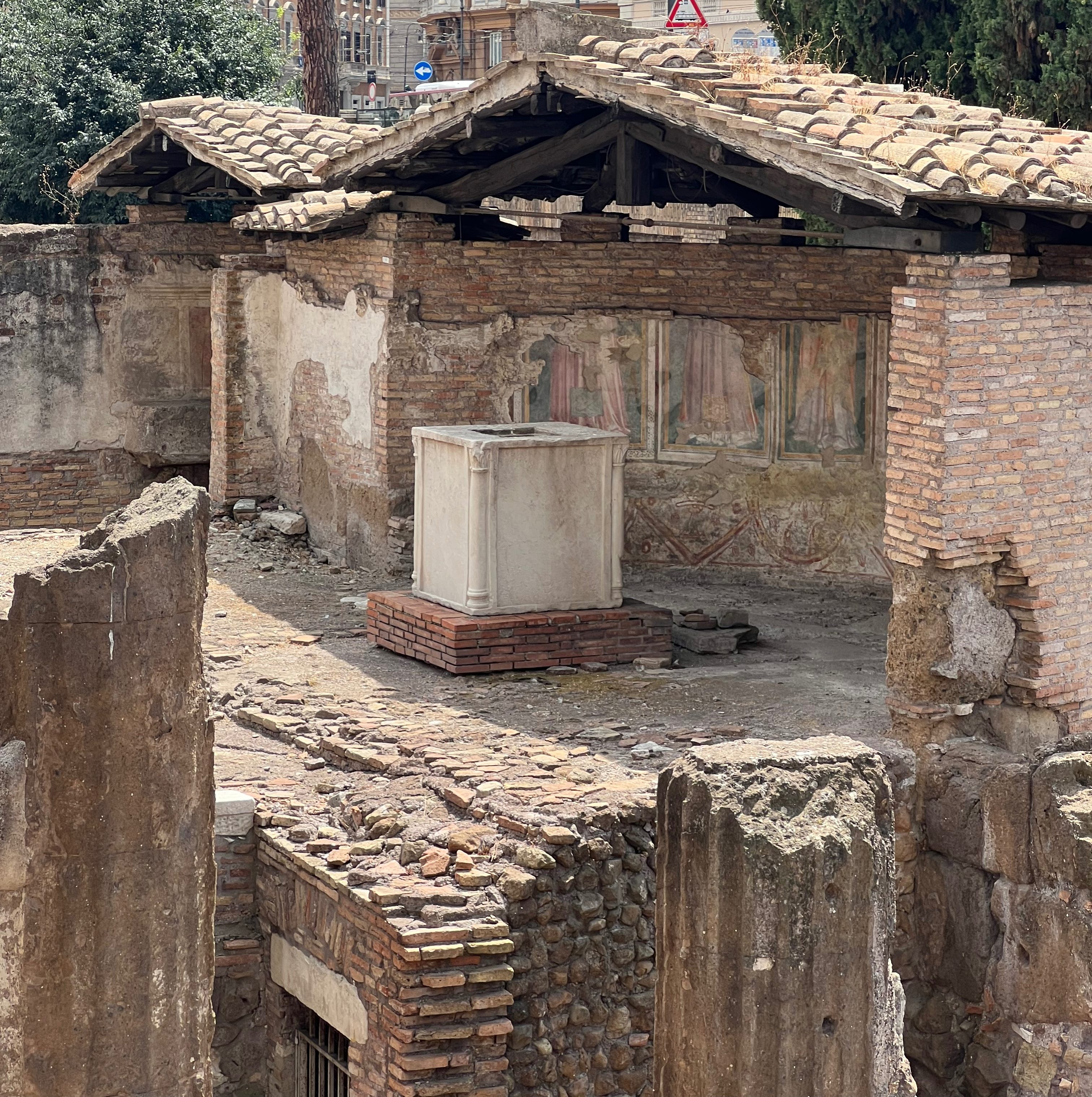
After having some bad cappuccino luck and eating some yummy suppli for breakfast, Dakota and I made our way to the cat sanctuary before class. I thought we were going to hang out with the cats in the ruins where Julius Caesar was stabbed but they were all in a room inside. It was extremely hot so the cats probably wanted to stay inside anyway. They were so cute and I bonded with one of them right away. She jumped on my lap and was purring from my pets, reminding me of my cat back home.

We made our way to the meeting point to a nice garden outside the Baths of Diocletian. There was a water station near us so I filled my bottle with frizzante for the first time and it was very refreshing.
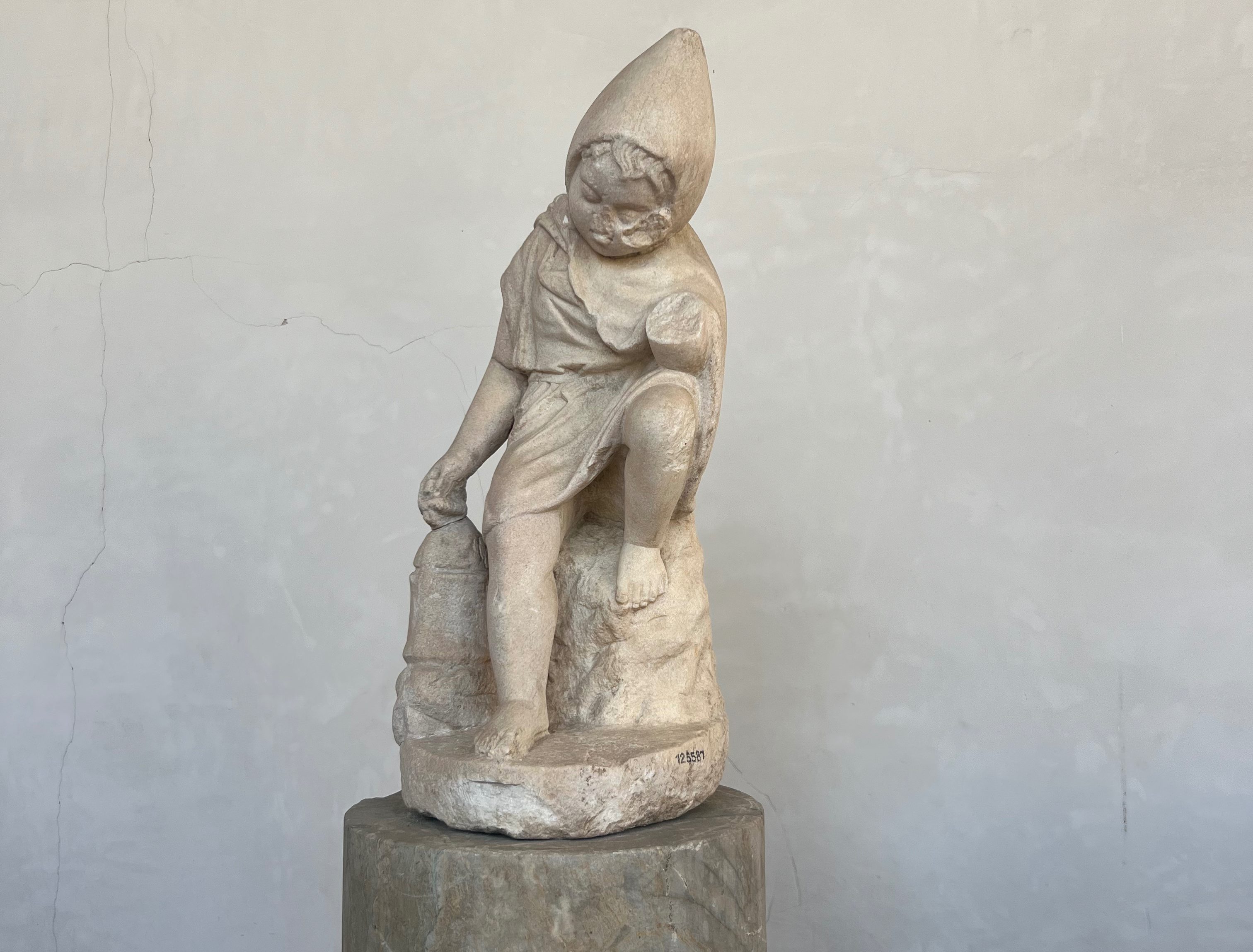
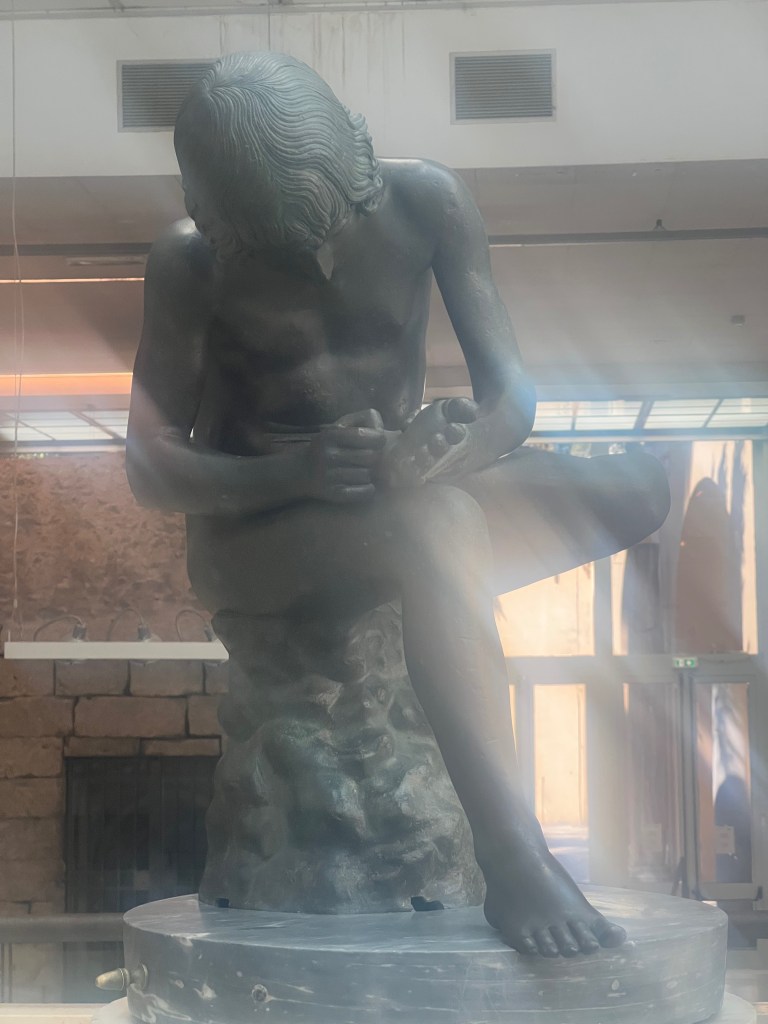
These sculptures reminded me of each other because they both capture private moments, a sleeping child and someone picking a thorn out of their foot. The ordinariness of everyday life is memorialized, things that happen when you think no one is looking put on display.
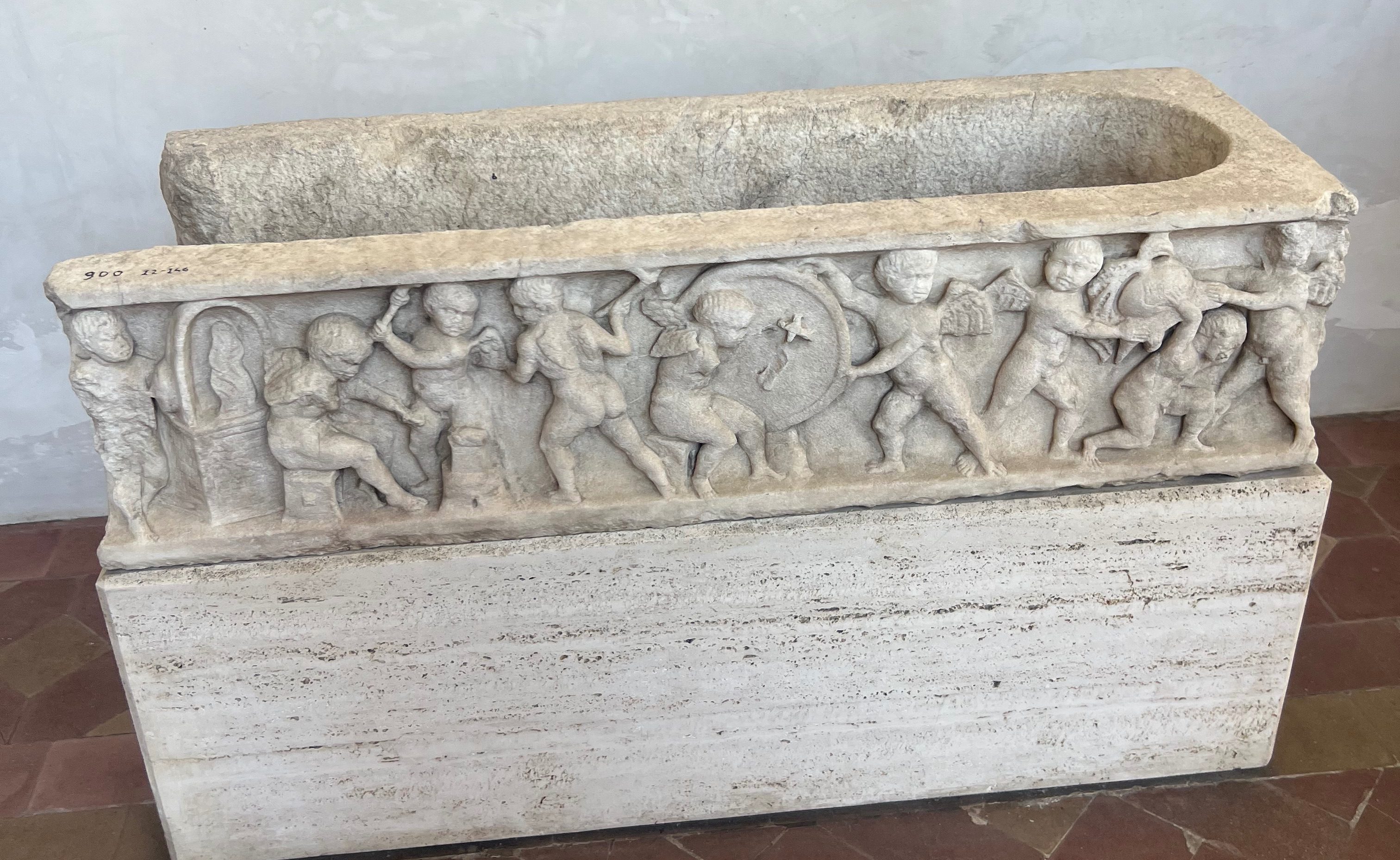
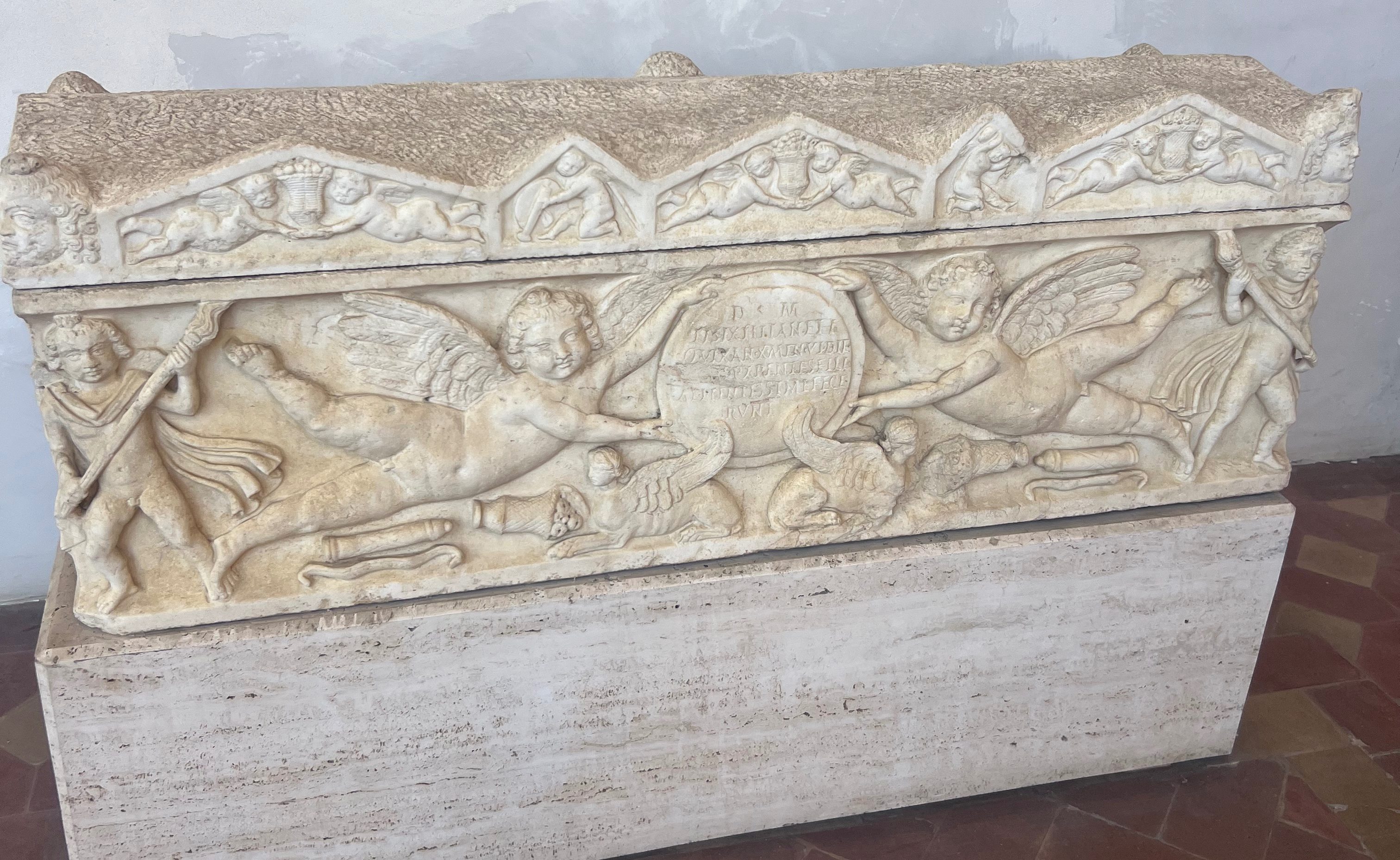
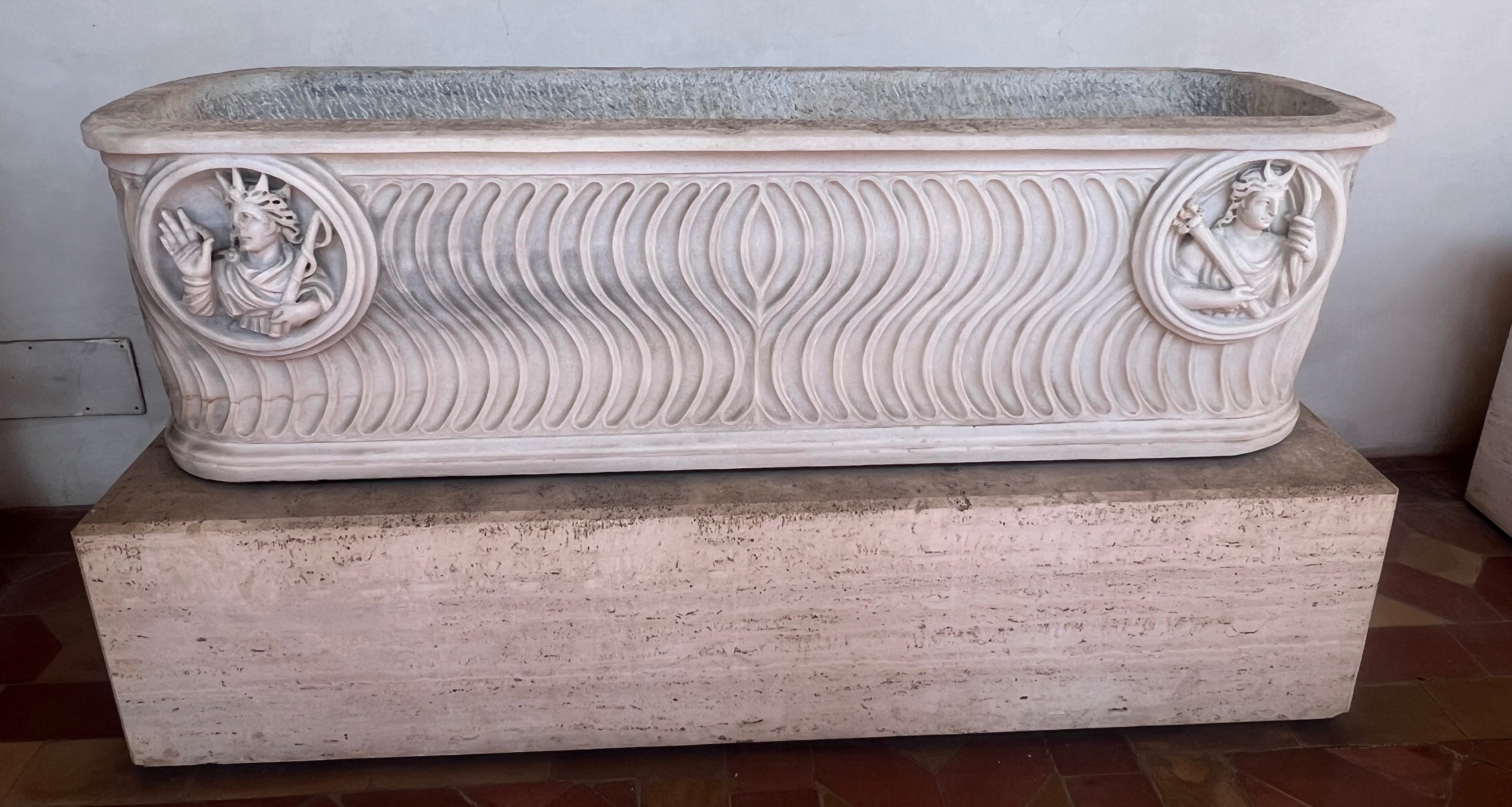
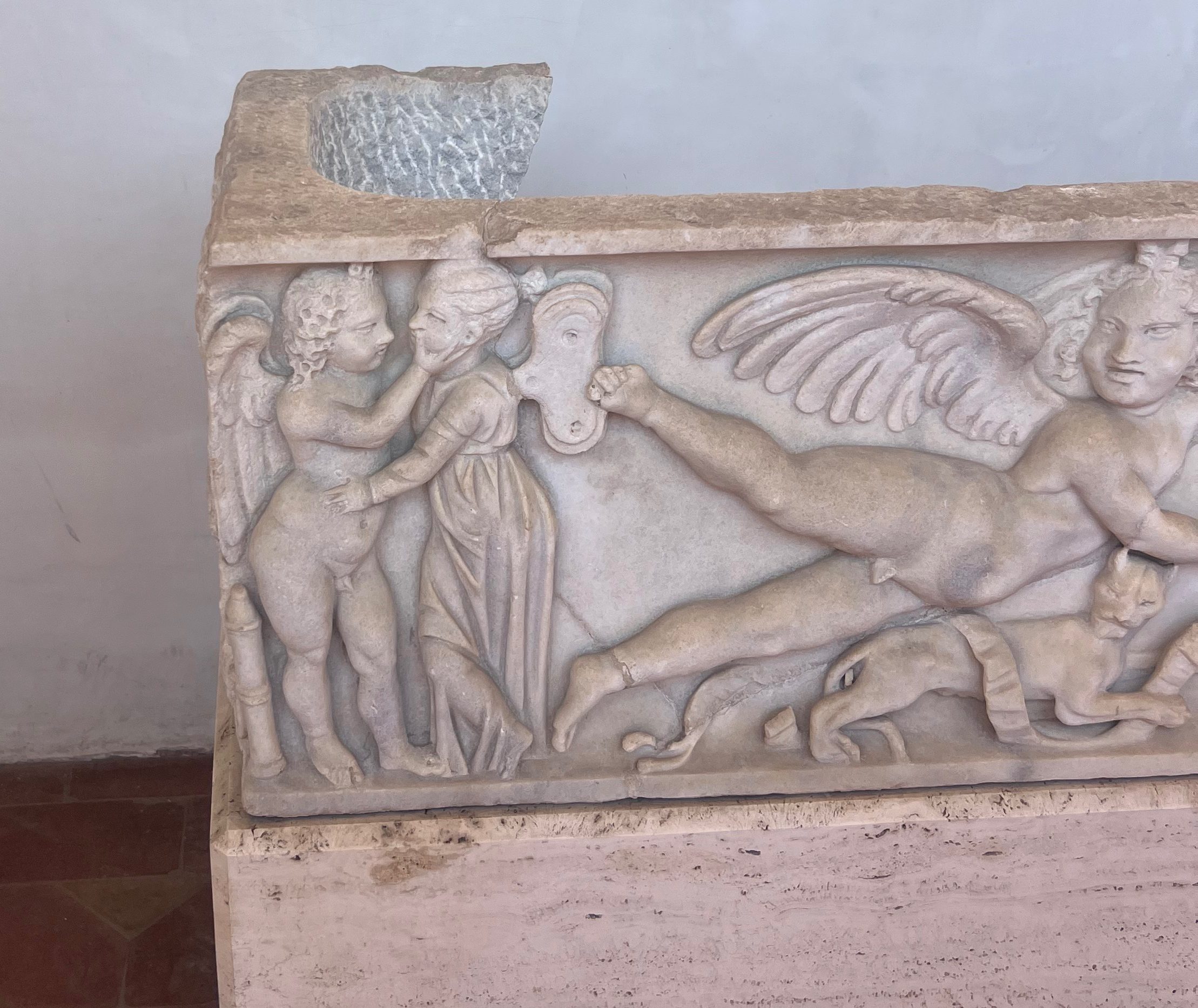
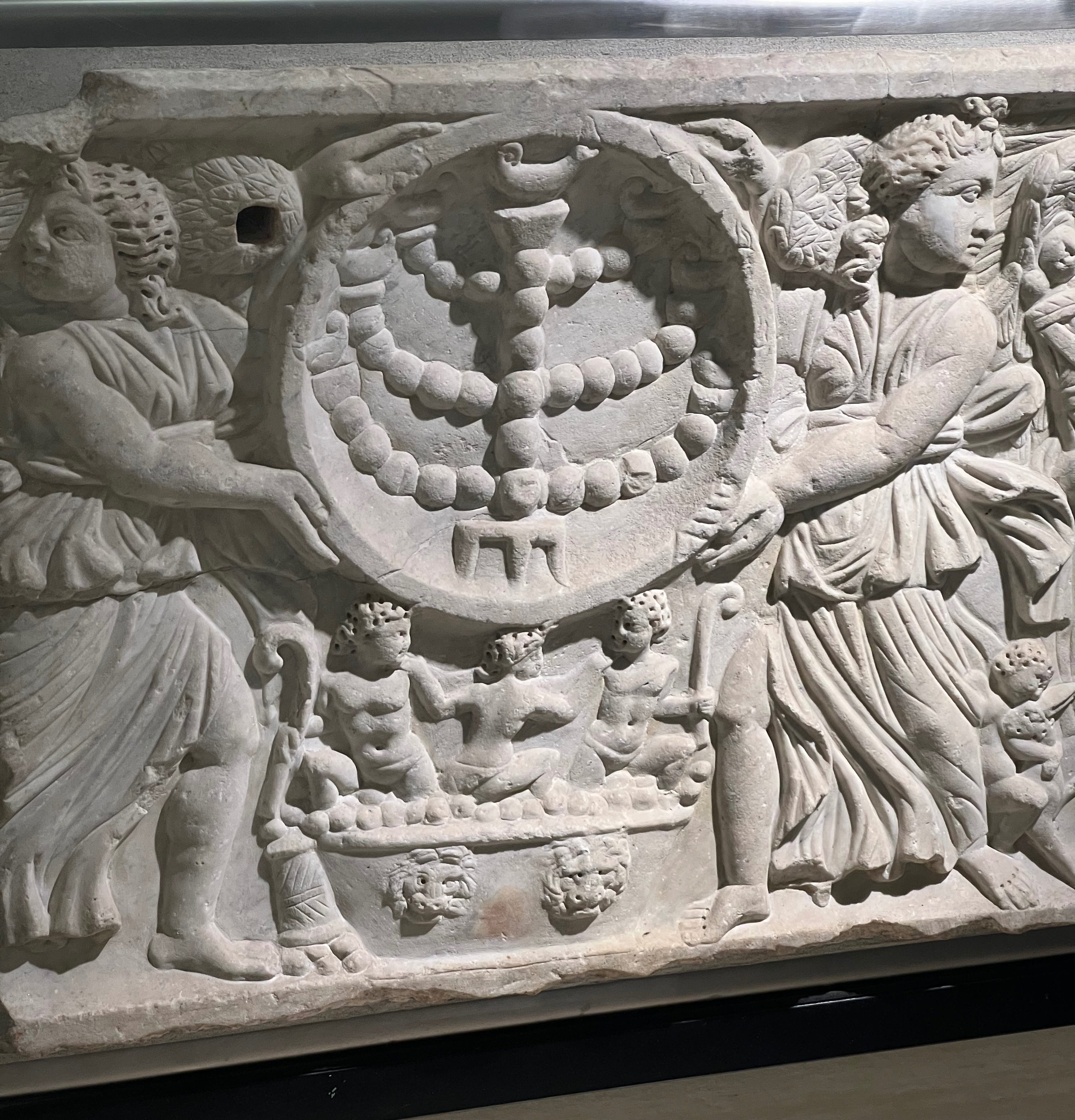
We saw a bunch more sarcophagi today, reiterating how many were pre-carved, having the same carving of myths, angel babies making weapons, etc. I even got to see two of Euripides’s Medea sarcophagi which I was giving my presentation on. I liked how Professor Yarrow pointed out that Jason was idealized on the sarcophagus, appearing unaffected when witnessing the murder of Creusa. Stoic philosophy taught that not being affected by emotions or not allowing things to affect you emotionally was the key to living a good life, so it makes sense that Ancient Romans would idealize a detached Jason.
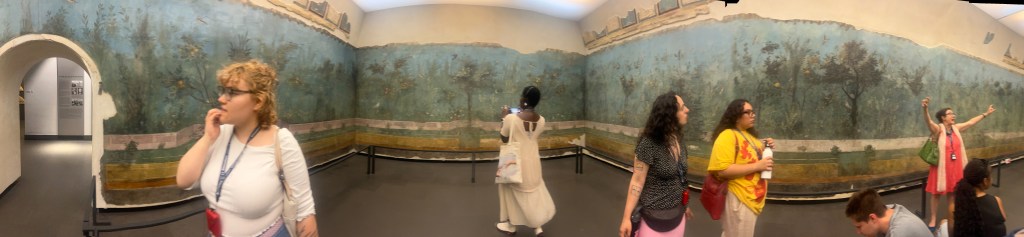
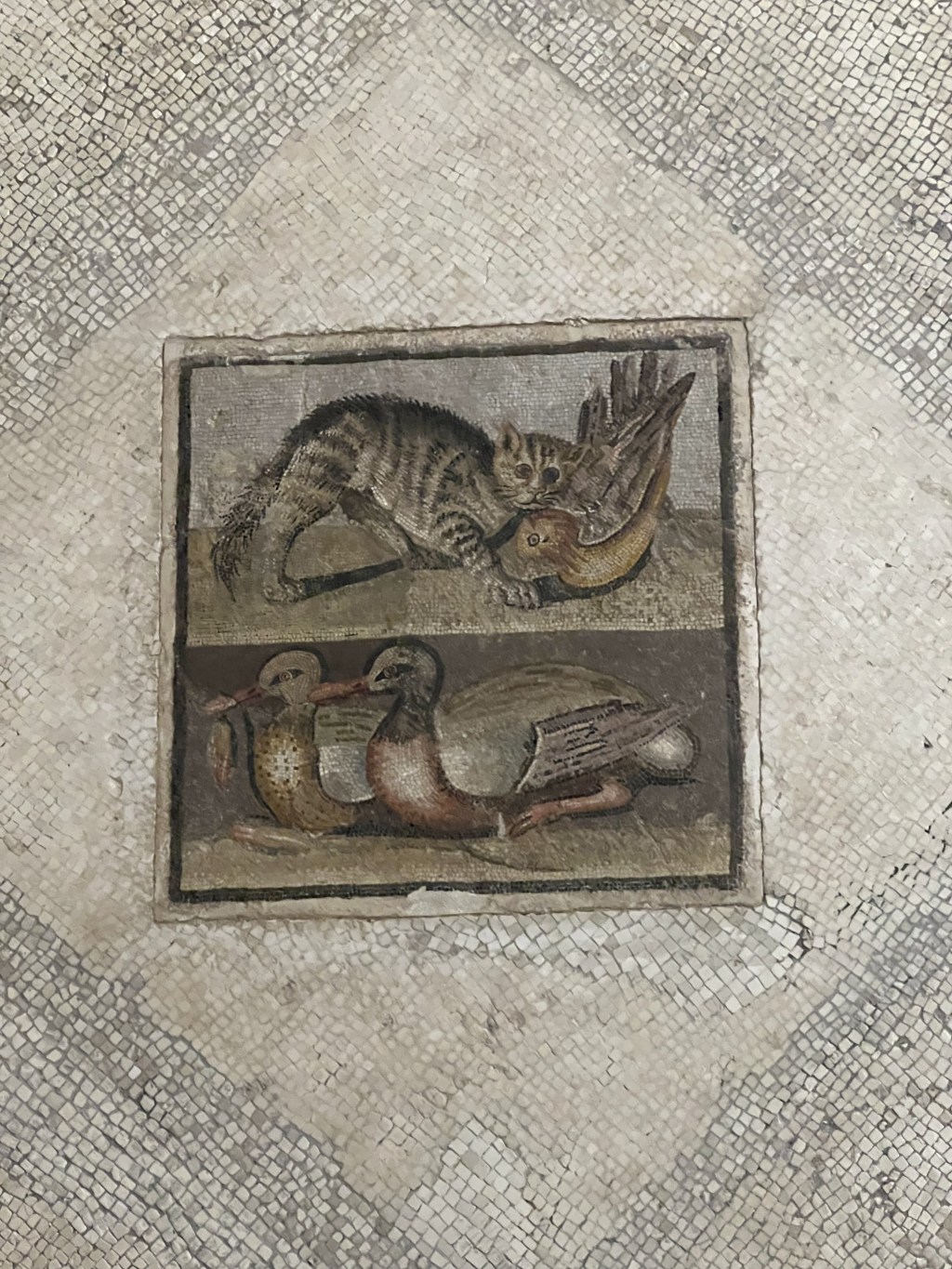
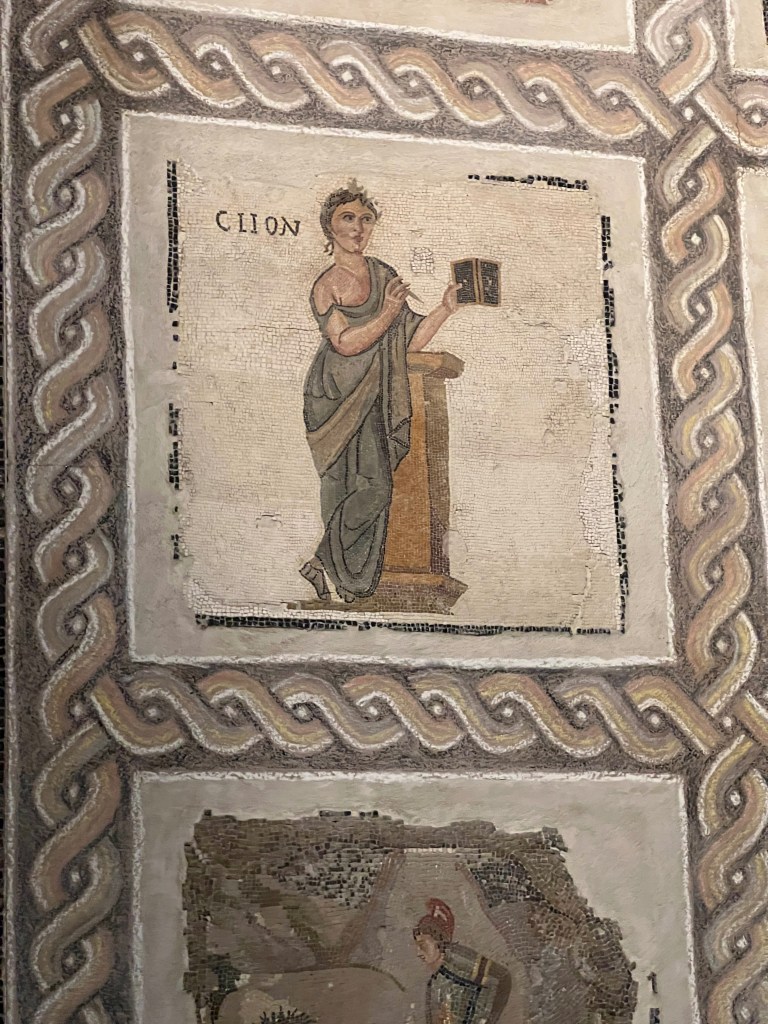
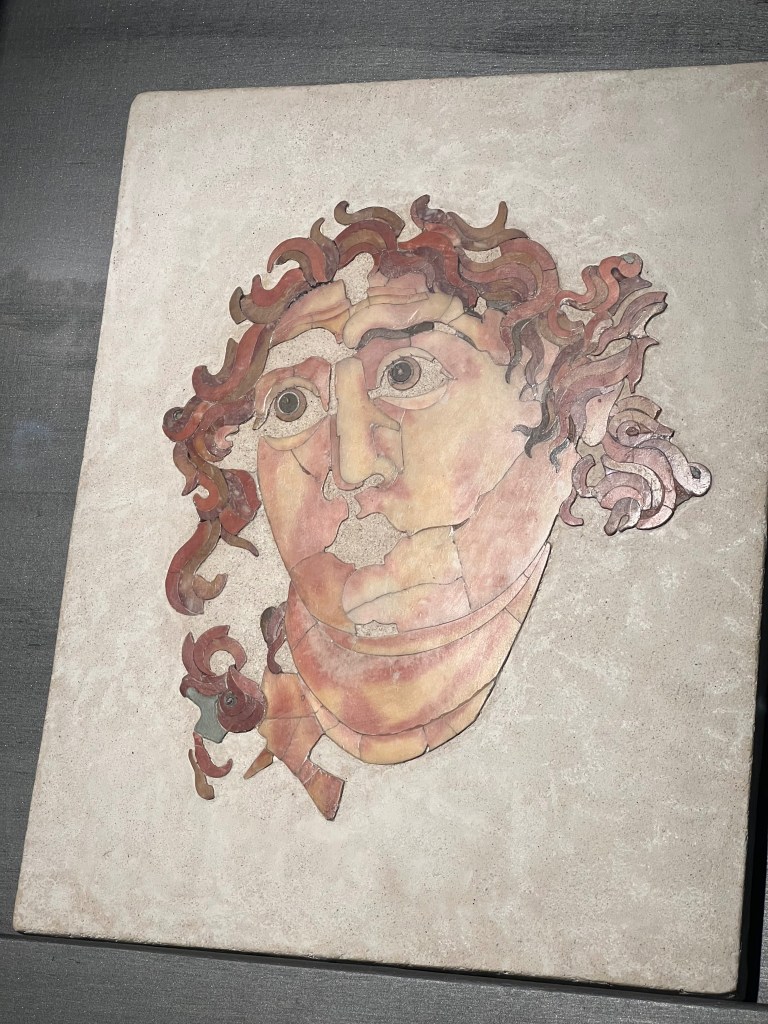
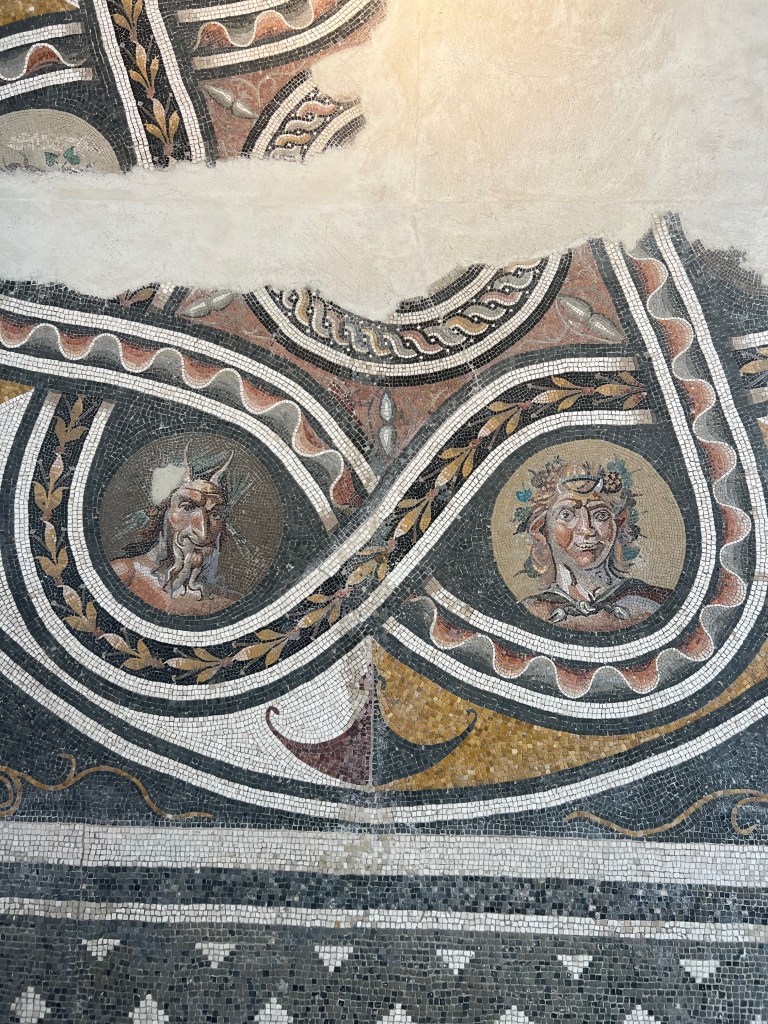
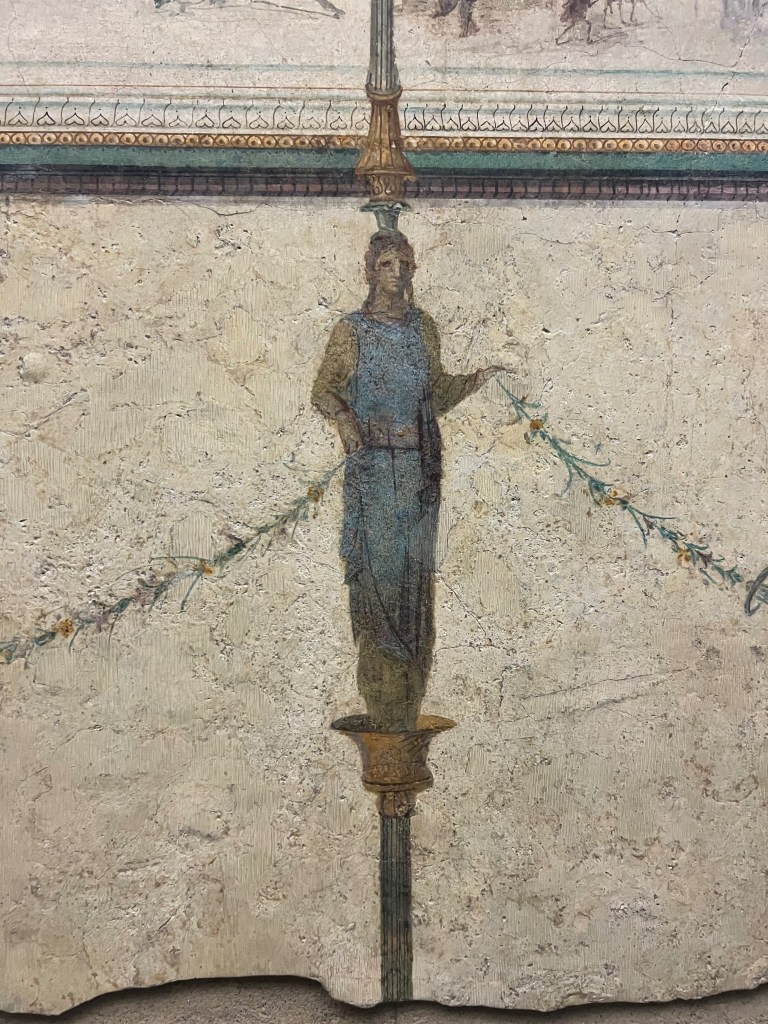
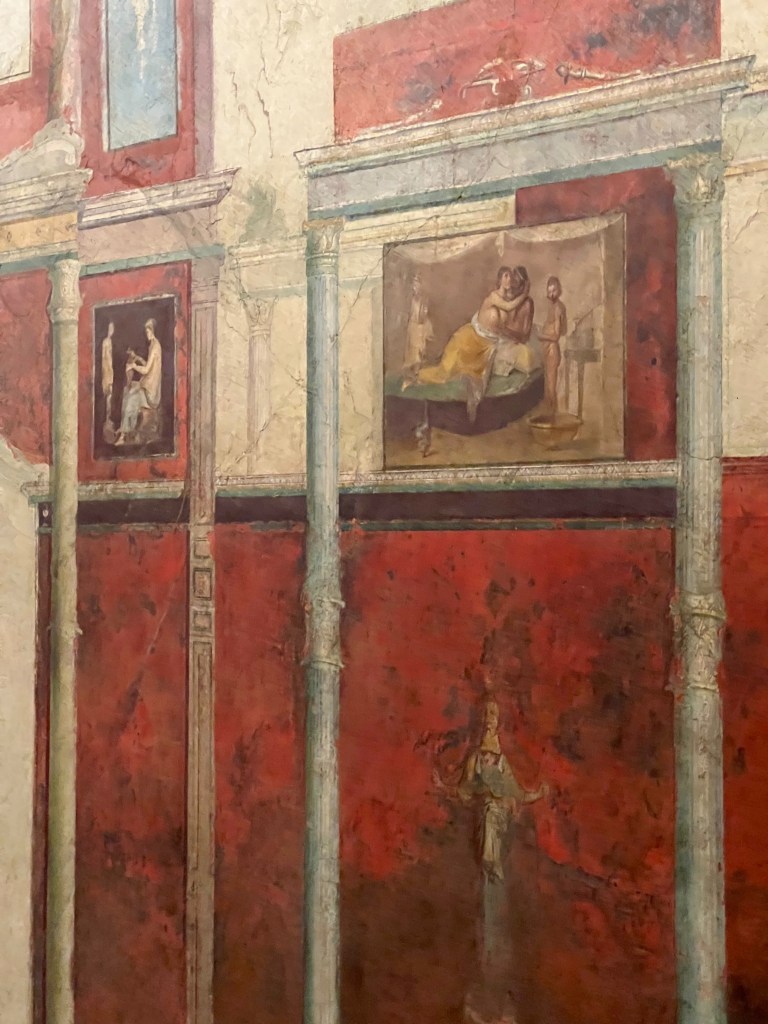
In the Palazzo Massimo we saw so many beautiful frescos, mosaics and opus sectile. The panorama above is of the garden room from the Villa of Livia at Prima Porta. “Detailed study has shown that all the species of plant and bird are accurately represented, but all four seasons are shown together– it is both real and impossible, a fantasy world drawn from life.” This part of the text struck me because it feels poetic to have fantasy and reality coexisting.


Leave a comment