
496 words, 3 minutes read time.
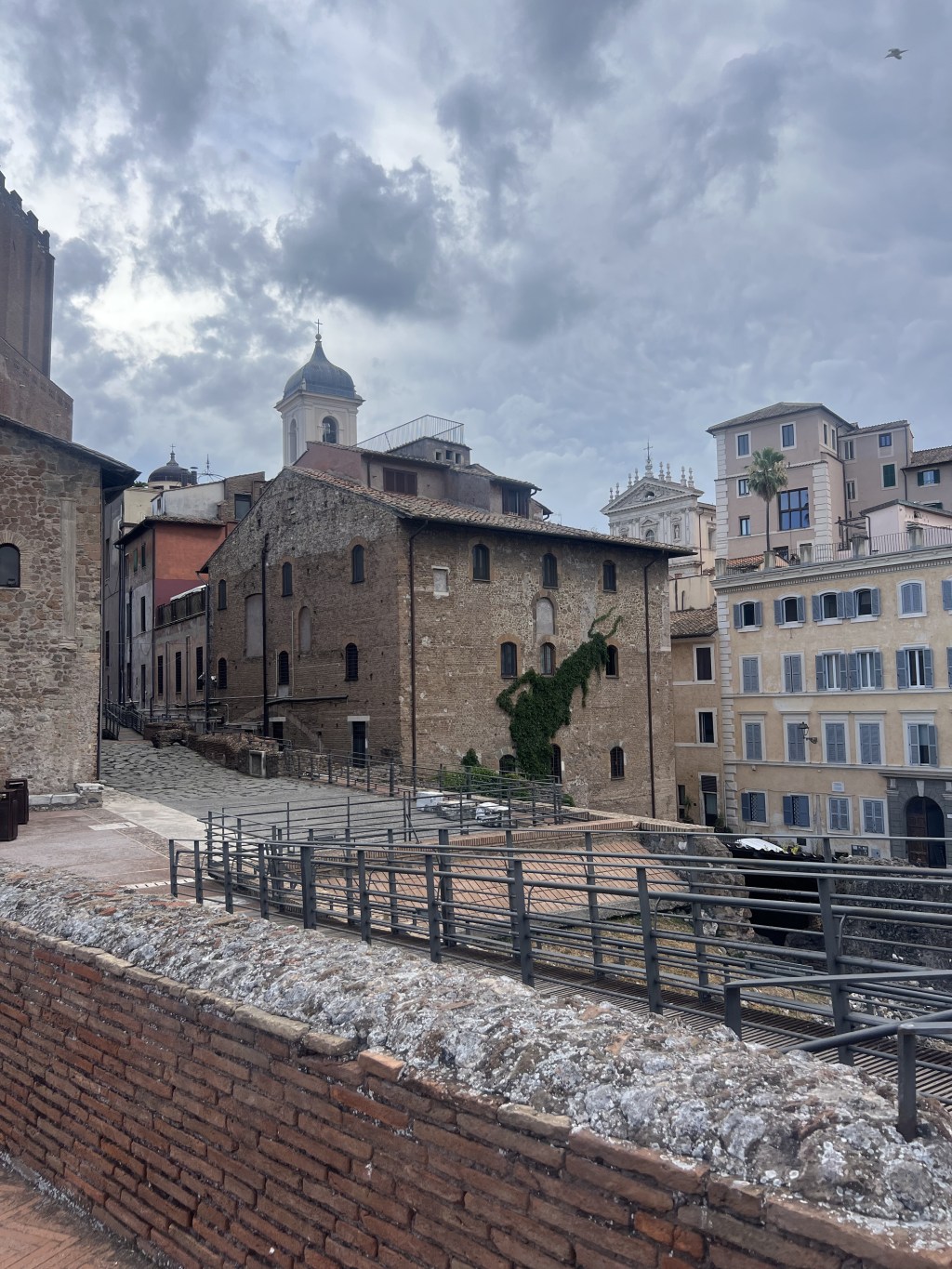
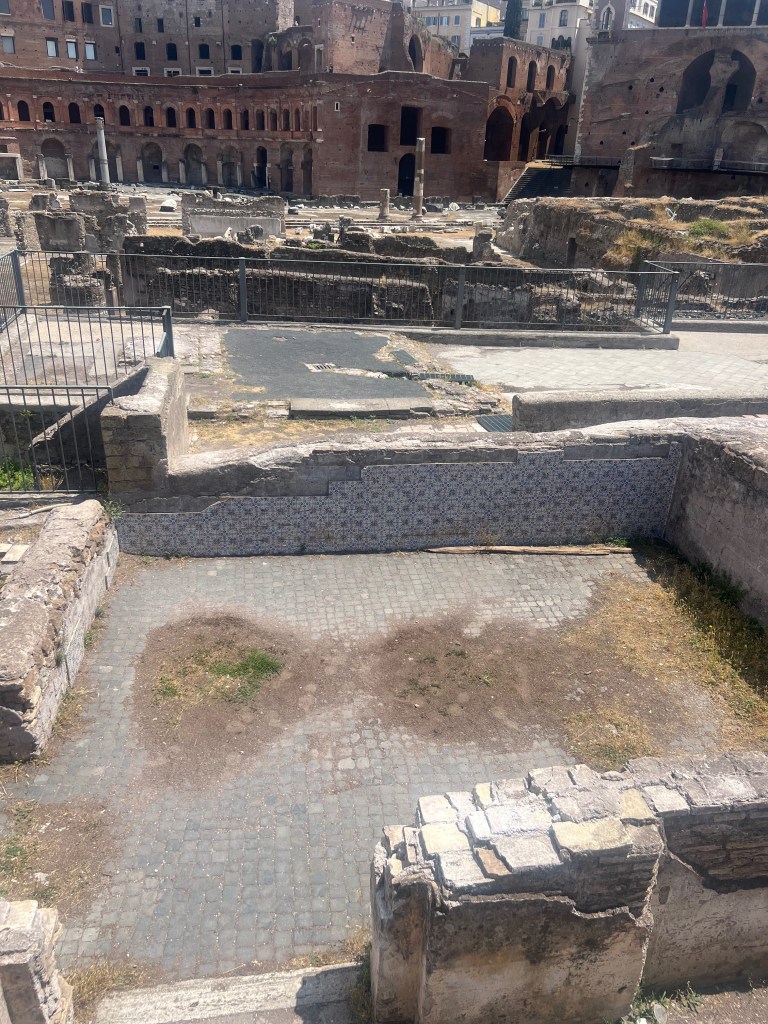
Today we went to the imperial fora, its museum and Trajan’s Markets. The forum had gone through changes after antiquity but excavation prioritizes ancient Roman history. This reminded me of Nietzsche’s “advantages and disadvantages of history”, which I’ve been reminded of many times throughout this trip. In this essay he emphasizes that history must serve life, and being able to “draw a horizon” on what history benefits your ability to take action in your life is important. He claims historical events come to be through an unhistorical nature, this can be understood as the ancients not knowing they were making history, they were just reacting to their environment authentically. But from all the intentional monumentalizing we have witnessed on this trip, it seems that a driving force for ancient Roman action was to solidify their place and importance in history. It seems to have worked, for we do prioritize Ancient Roman history over preserving the life of the later eras. It makes me wonder what we could be missing and shows how strongly our understanding of history is shaped by what is seen as most important and who is telling the story. Though during the fascist era, “The modern Via dei Fori Imperiali, ‘Street of the Imperial Forums’ (previously of the Empire), was made in 1932-3 to provide a wide avenue for Fascist military parades from the Colosseum to the Piazza Venezia” This changed the ancient landscape.
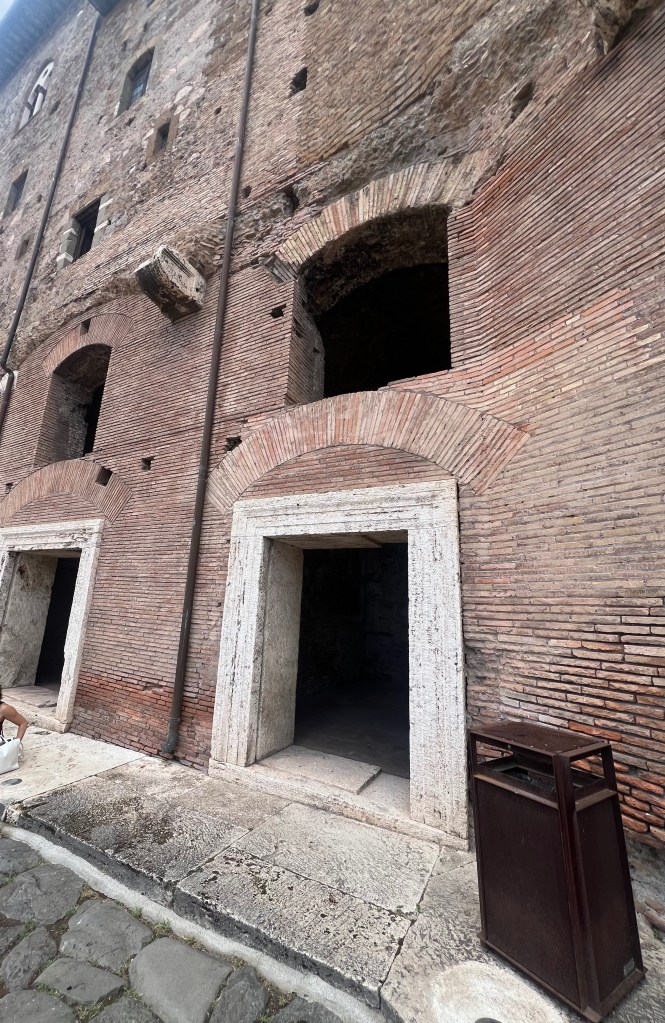
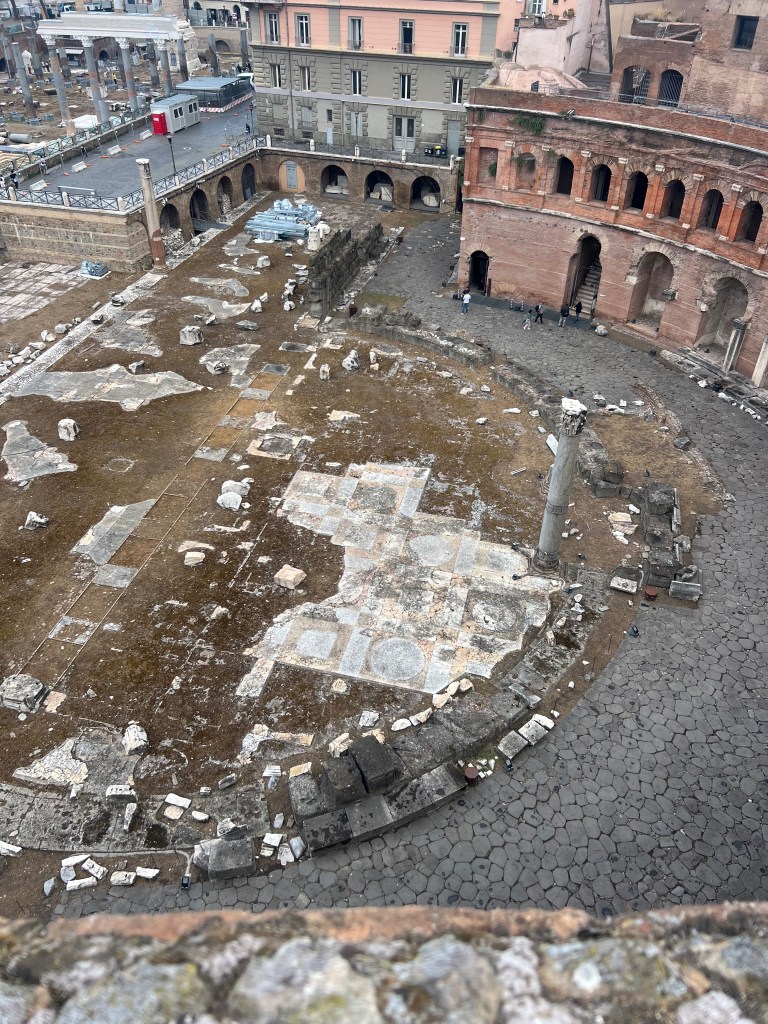
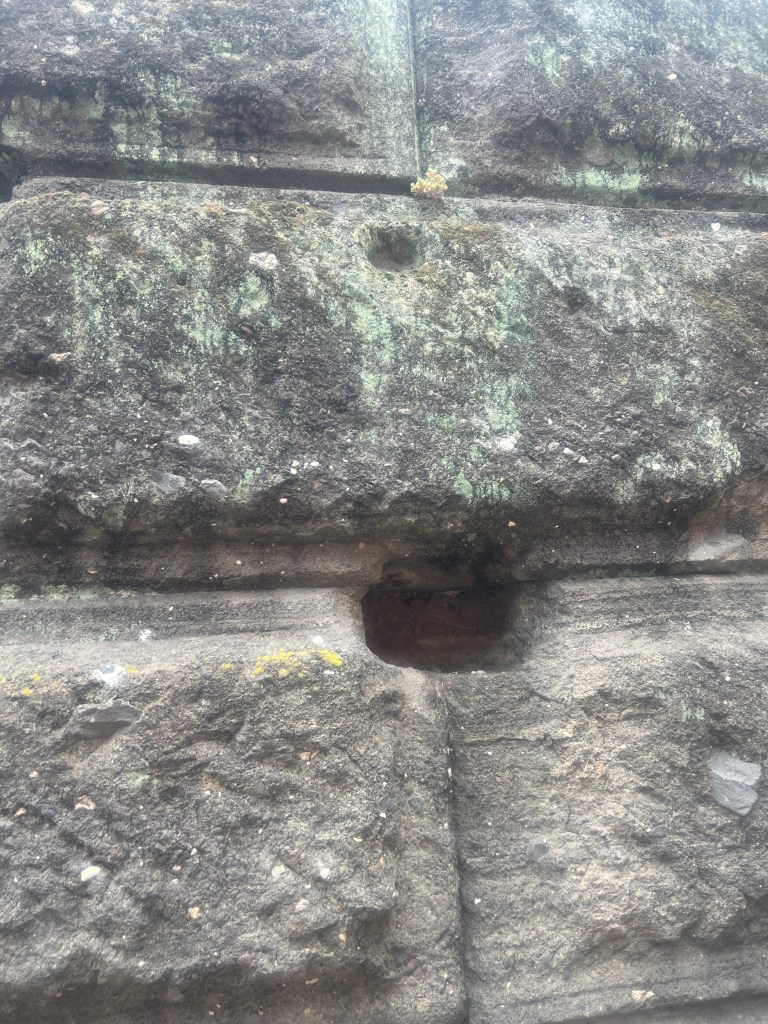
It was interesting to see the messy brick layering under the top layer. The top layer would also be covered by plaster and decorated as usual. We touched on rustication again, how the Roman’s would over construct and leave extra material on their structures even though it was not necessary. This was an aesthetic choice to convey strength. We’ve seen this over-architecturalizing throughout the entire trip, like the colosseum.
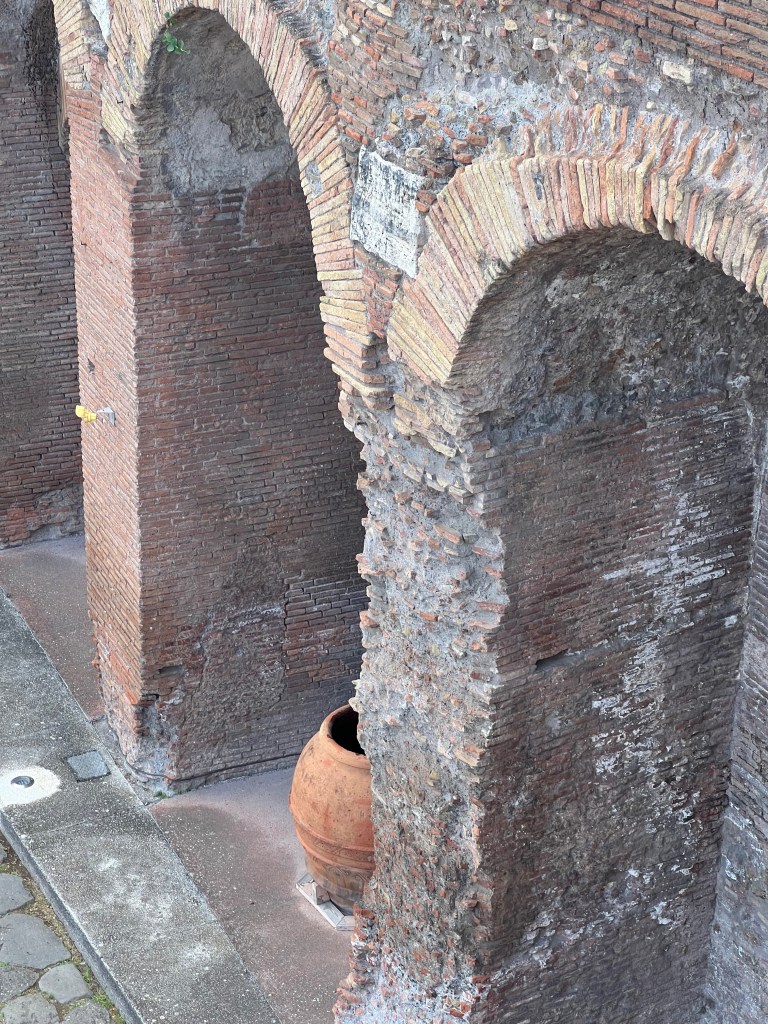
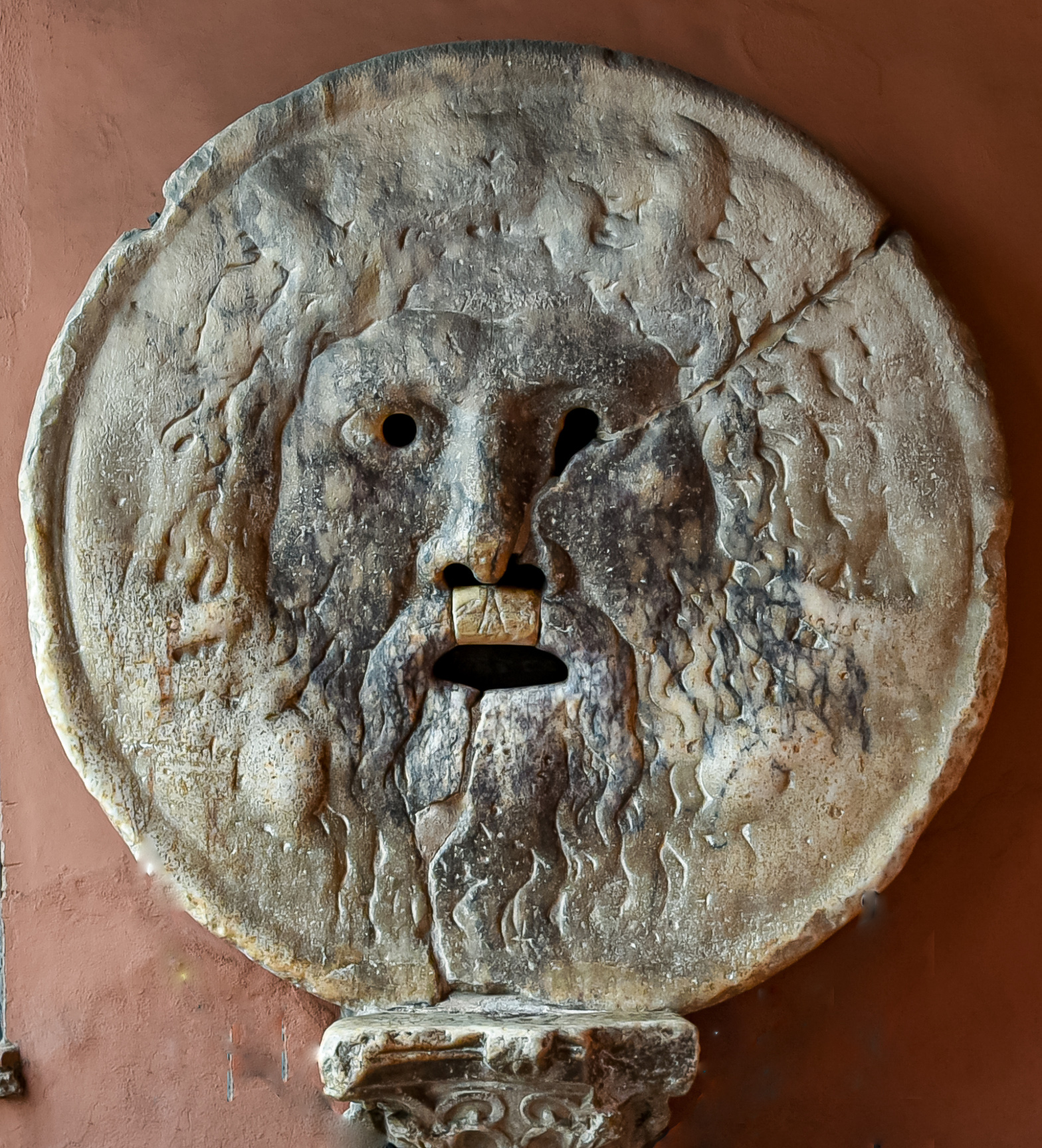
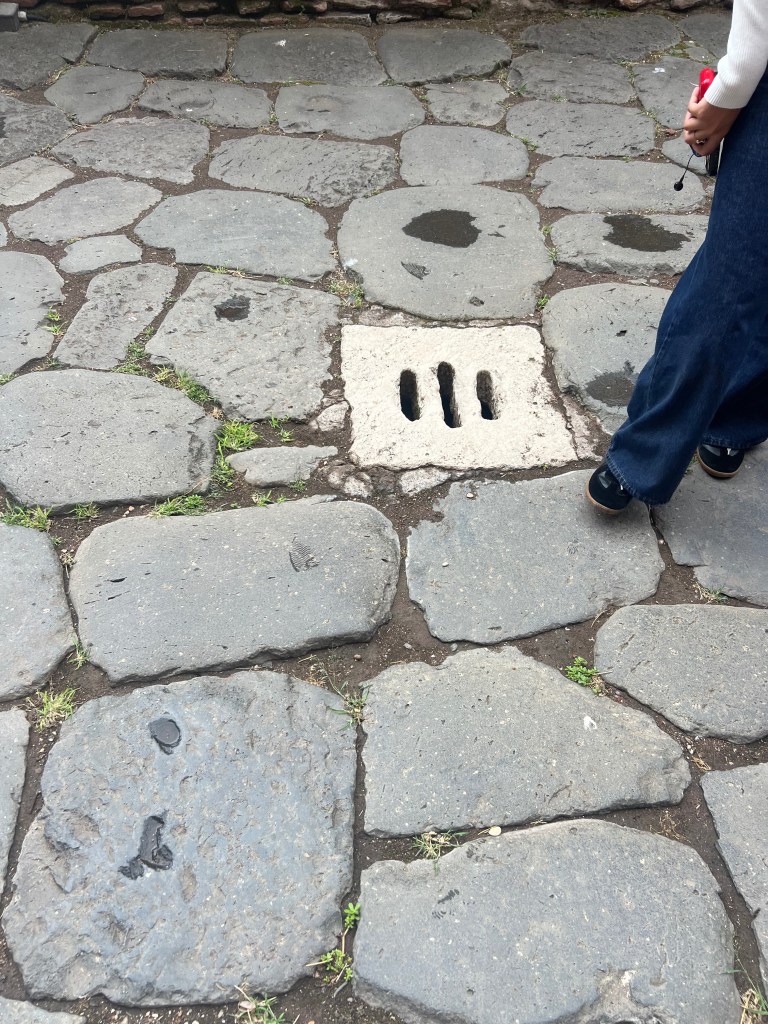
Professor Yarrow pointed out the Roman value of the drain, and Paola reminded us of the mouth of truth, the marvel sewage drain.
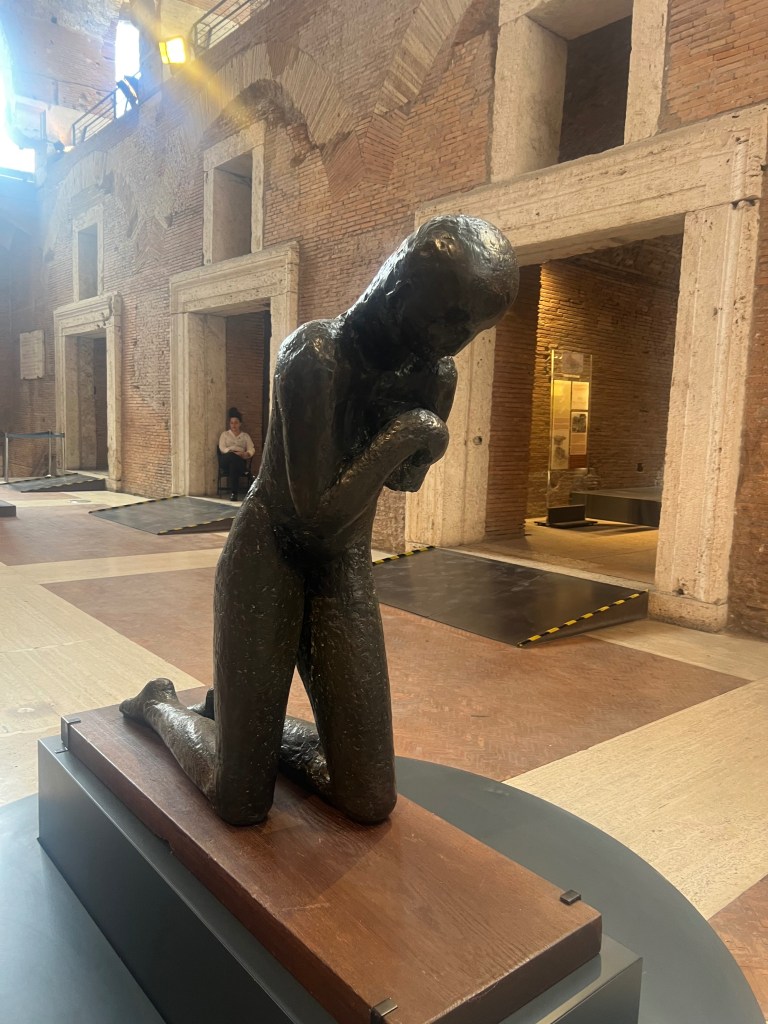
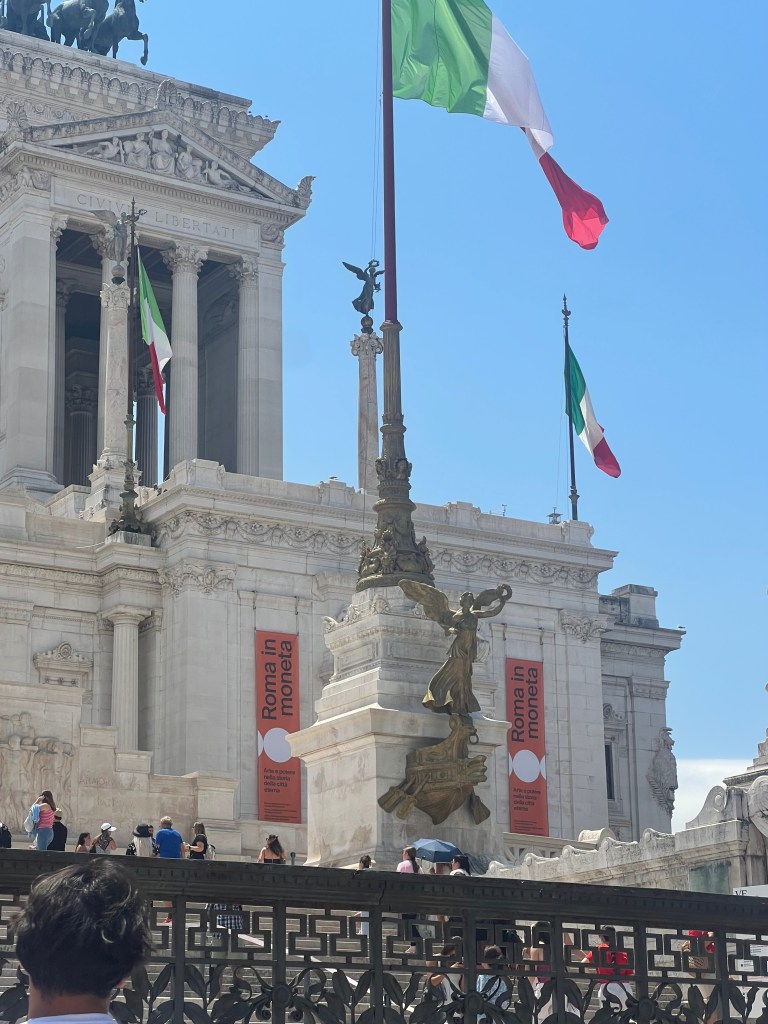
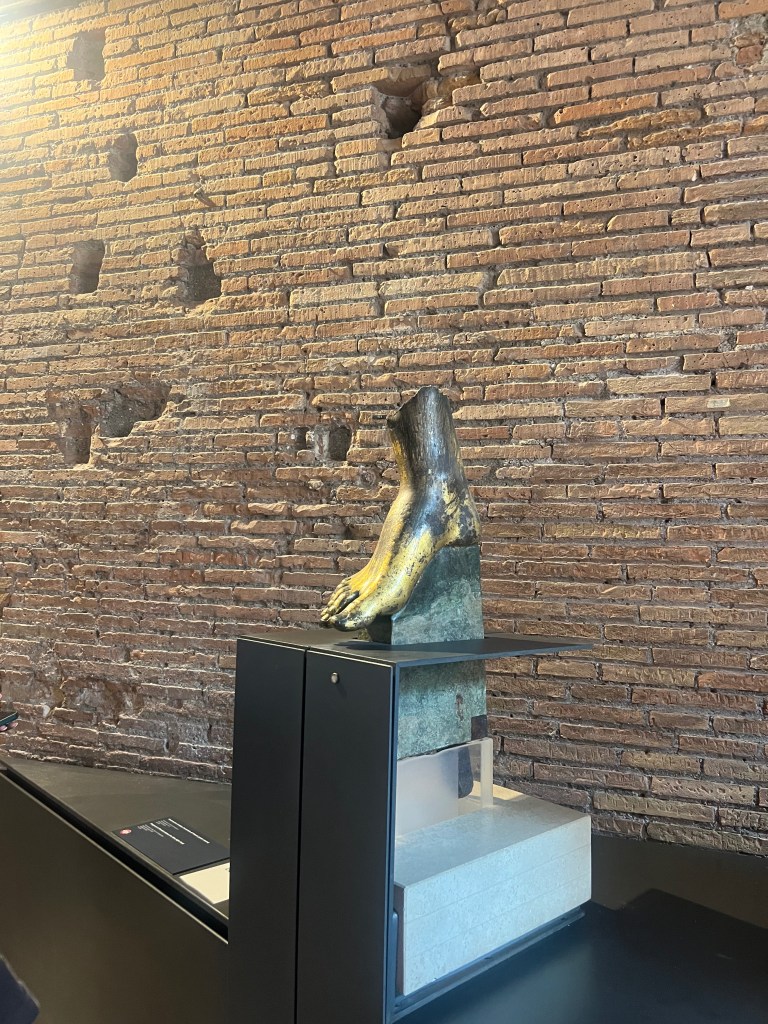
We saw the bronze foot of a winged sculpture, and then on my way home I noticed a similar sculpture but in its full glory.
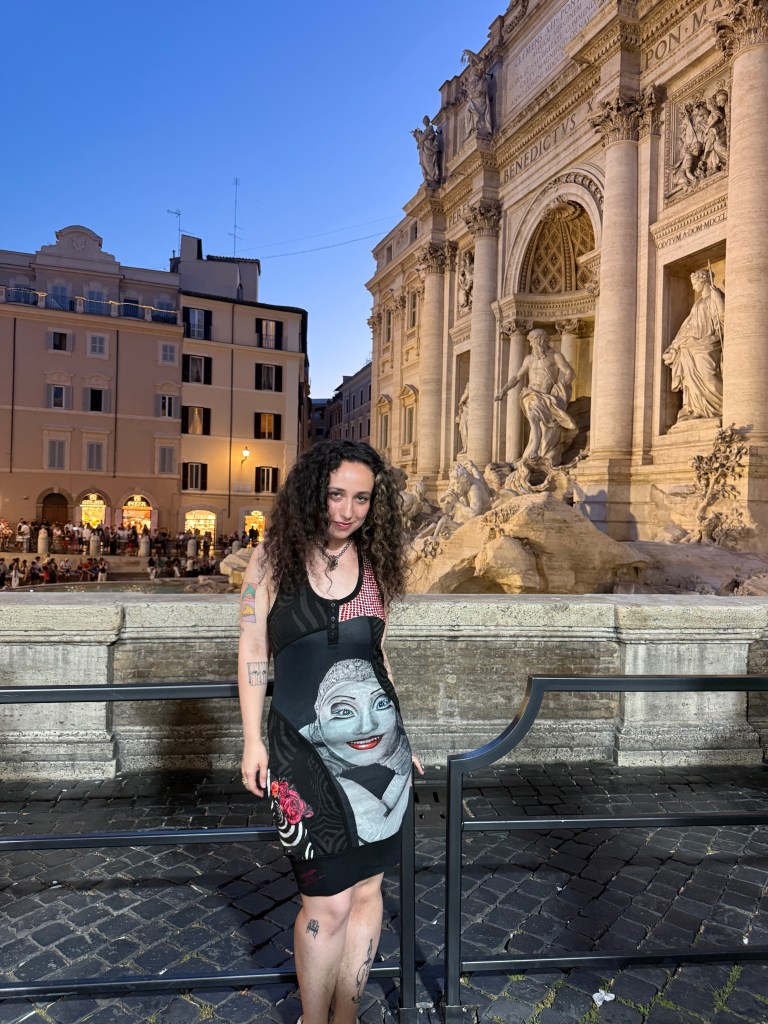
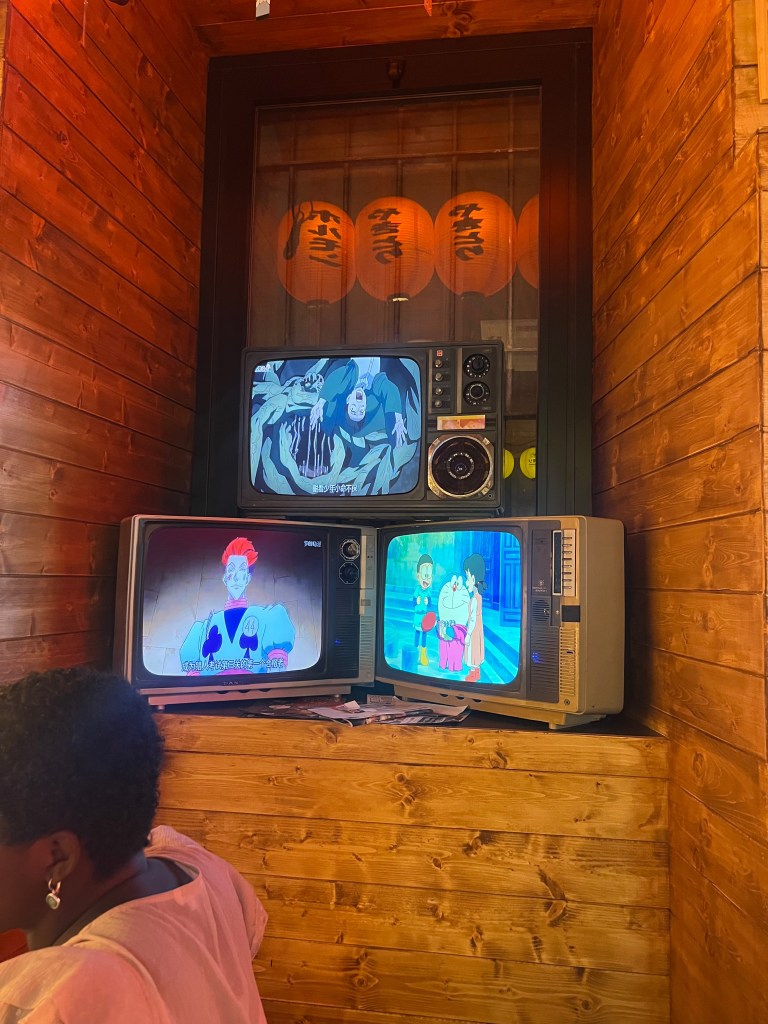
After resting for a bit Dakota, Paola, Shamiqua, Arden, Lucy and I went to the Trevi fountain around 8pm and it was breathtaking. The magnitude and beauty of these sculptures will never cease to amaze me. Though it was an overwhelming place to be because of the crowd, we were able to get a few pictures. Then we got ramen next to our apartment at Shifu, it was great and they were playing anime on old tvs!


Leave a comment