CaerE
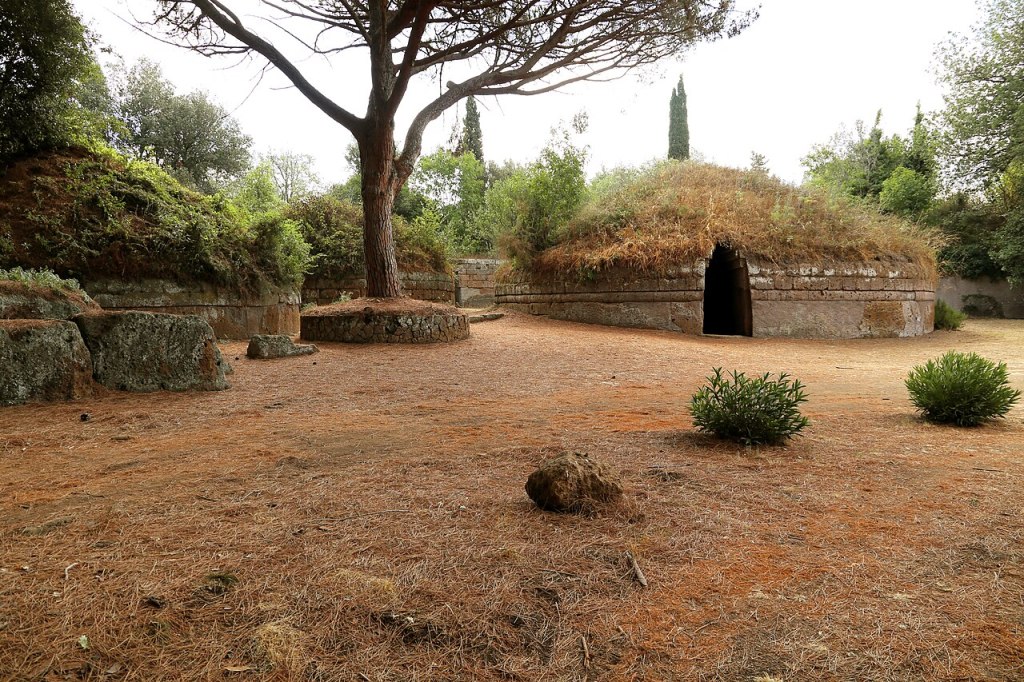
Modern Cerveteri is ancient Caere. Most ancient authors writing in Greek and Latin tell us that ‘one upon a time’ the city was called Agylla. We believe indigenous peoples who built the city, the Etruscans, called it Cisra and that the Latin name of Caere, derived from this name. It was inextricably linked to Rome’s legendary past within Roman stories. Vergil weaves it into his Augustan age epic, the Aeneid and his near contemporary tells how Rome’s ‘first’ Etruscan king, Lucius Tarquinius Priscus, won a battle over the city in the 6th century BCE and it had recognized his supremacy and by extension that of Rome. The legends continue that Caere and other Etruscan towns did not recognize his successor, Servius Tullius, sparking another armed conflict and Roman confiscation of some of their territory. When the last king of Rome, Tarquin ‘the arrogant’ was driven from Rome with his sons, they are said to have gone into exile in 509 BCE to Caere. Another legend says that when the Gauls sacked Rome in 390 BCE, Caere offered shelter to the Vestal Virgins and ensured the continuity of religious worship until Rome could repulse the invaders. Yet another legend describes how an elite young Roman was raised in Caere in the mid 4th century, so as to speak Etruscan and even read it fluently. The story is memorably because he uses these skills to learn the enemy plans during war. We are confident that by 273 BCE, Caere fell completely under Roman control.
Thus goes the story from the Roman perspective.
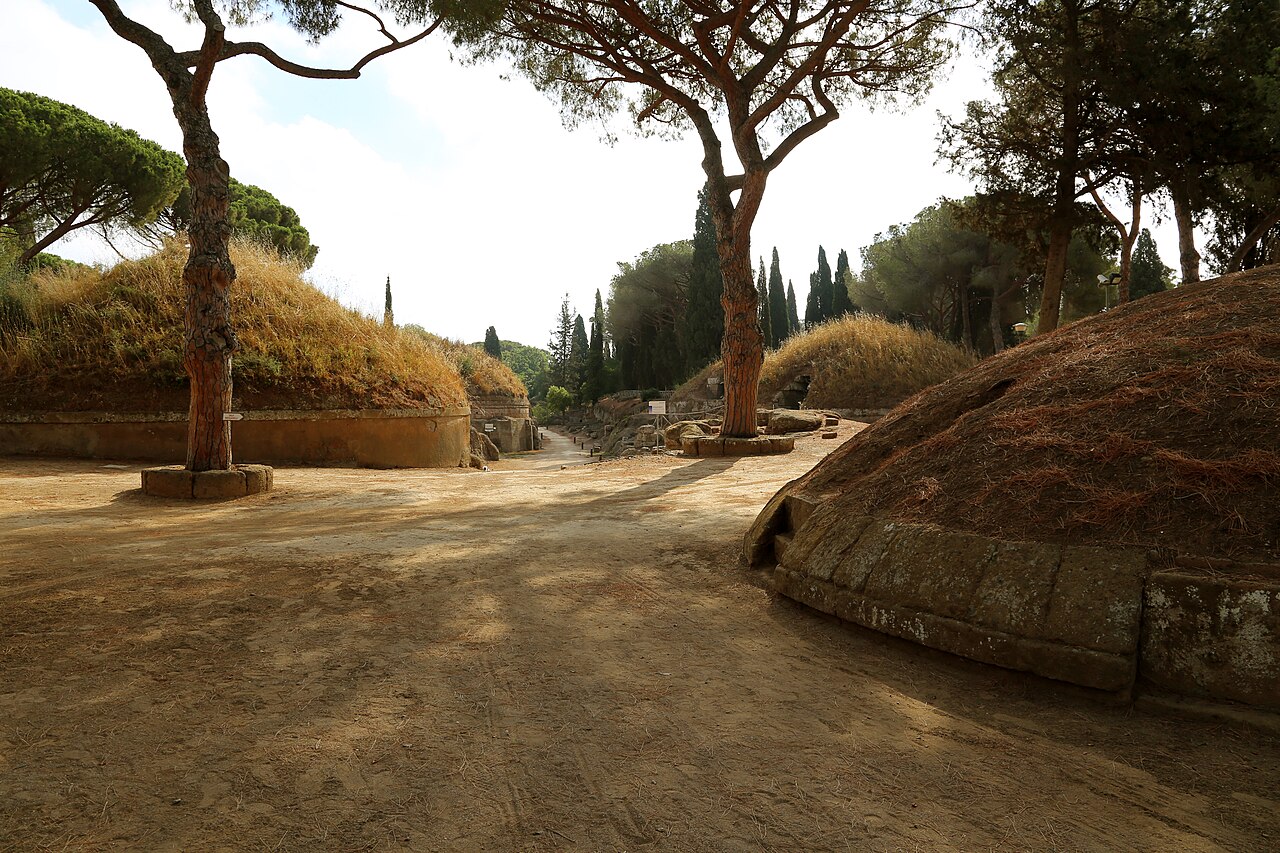
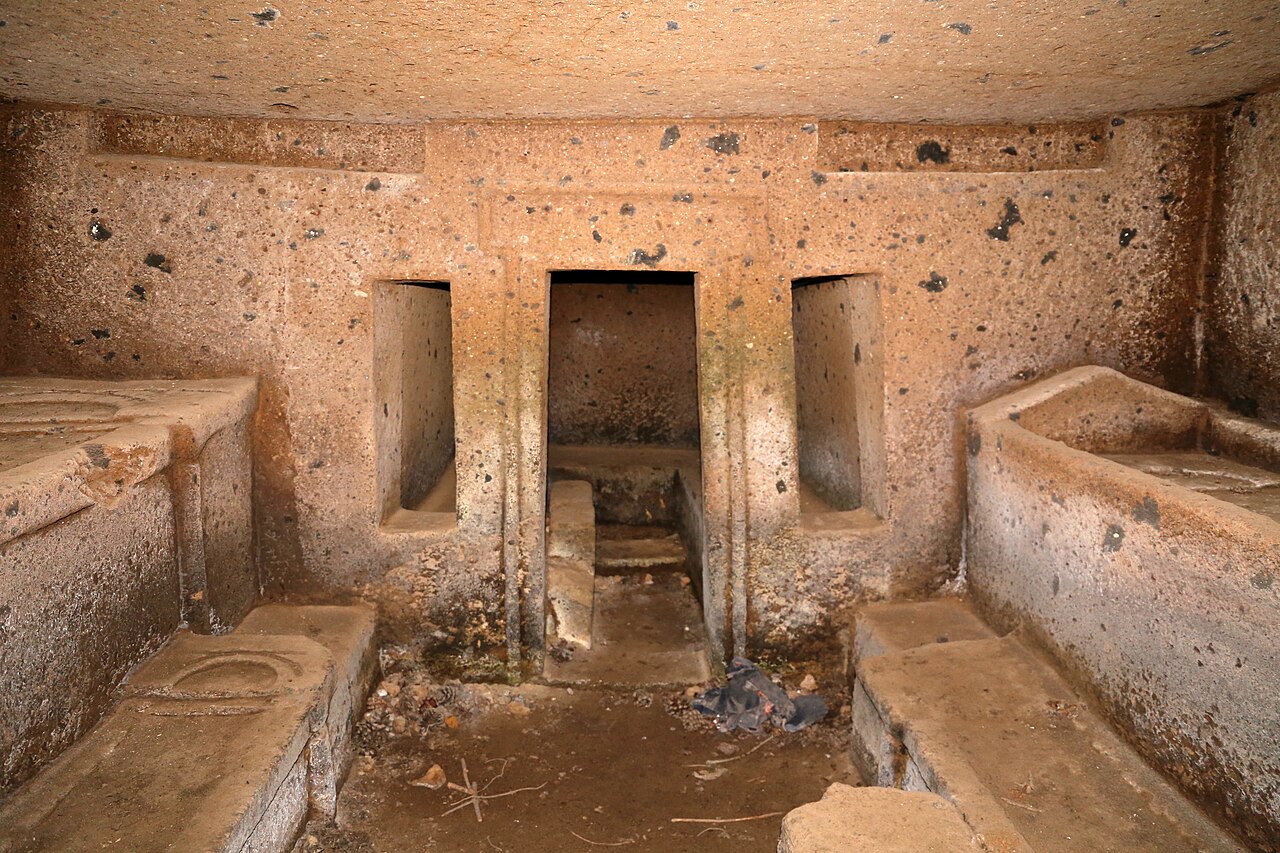
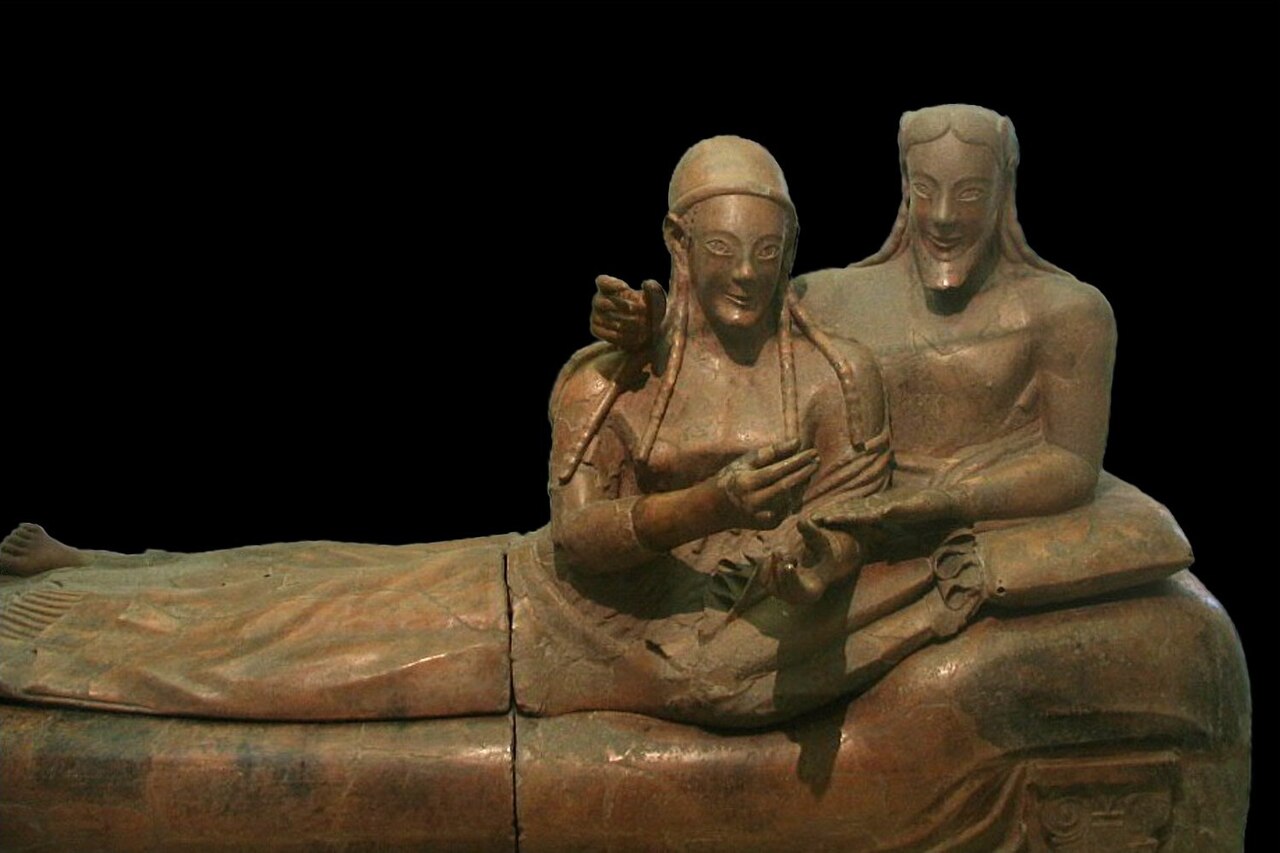
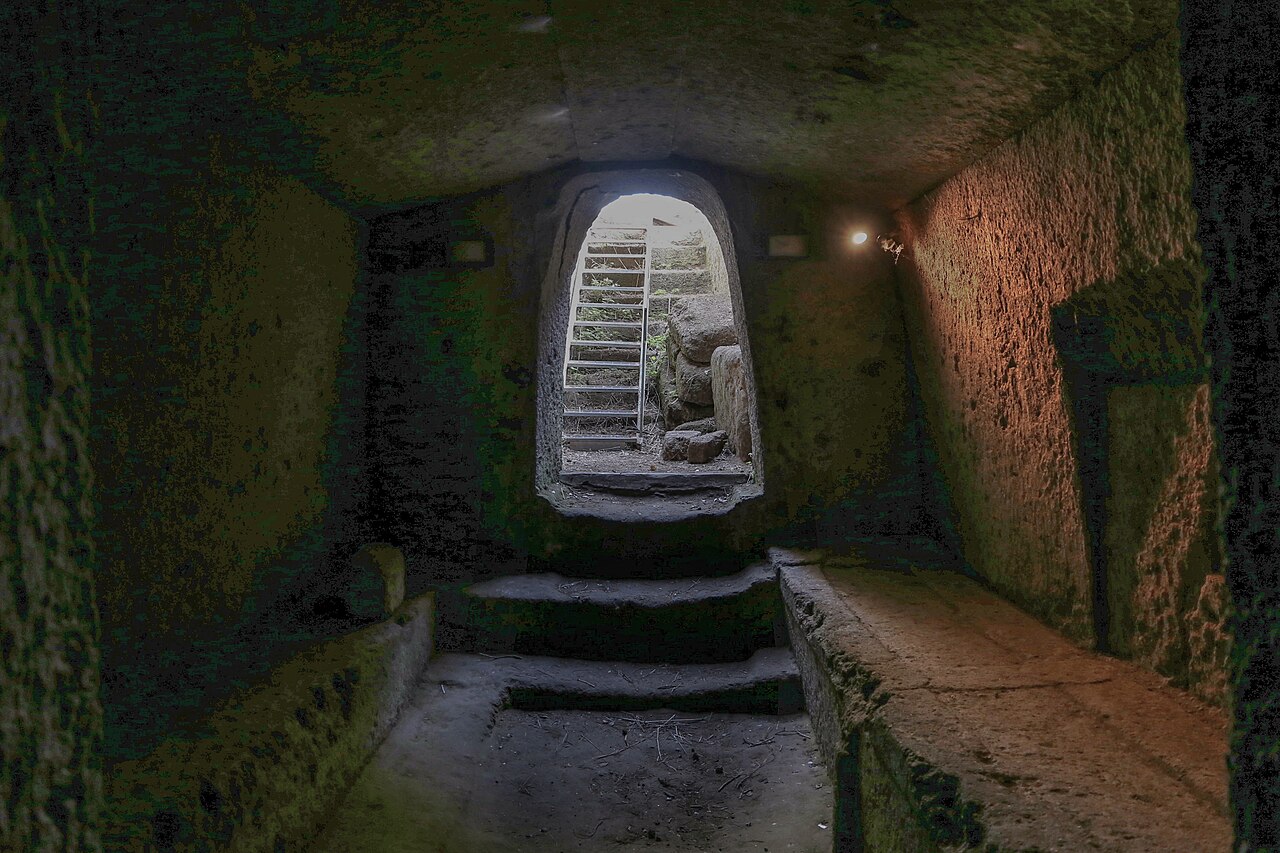
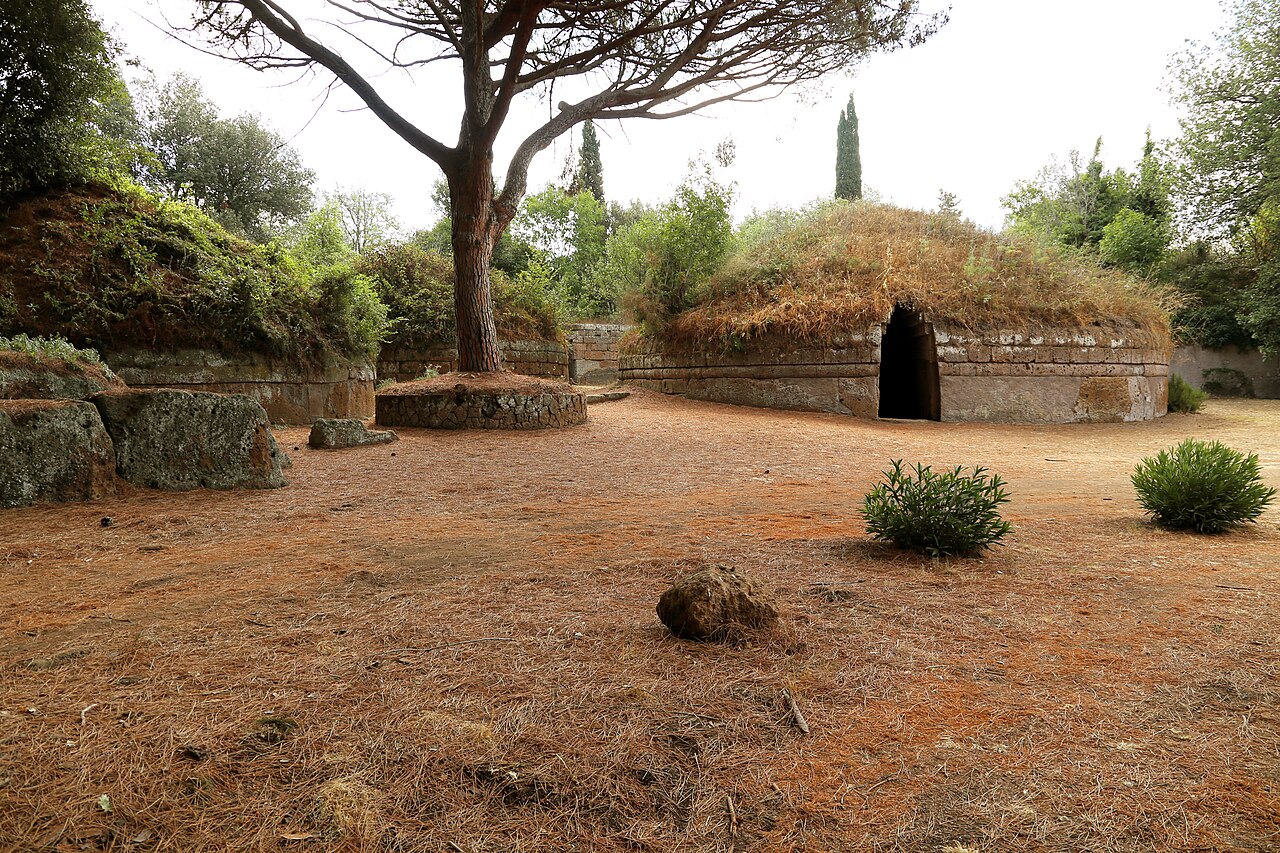
From the Etruscan perspective, it represents one of the most powerful centers of regional superpowers of the pre-Roman period, one often allied with the Carthaginians, particularly in their attempts to resist Greek expansion. Even as they imported some of the finest masterpieces of Classical Athenian art surviving. It’s own literature does not survive, but its artifacts have long been plundered in the modern period to fill the museums of modern imperial powers, and its incredible necropolis (city of the dead) is a UNESCO world heritage site.
Readings
Etruscans Overview – This is a longer article, so I’ve put in notes about what portions I consider most important and what to skim. Things I felt unnecessary I whited-out. I also used highlighting to guide you a little.
IF you want to make today, a double blog post (to count as 2 towards the 12 needed for the the course), please also select any chapter you wish to read from this book:
De Grummond, N. T., & Pieraccini, L. (Eds.). (2017). Caere. University of Texas Press. Available online through BC library.
Presentation Topics
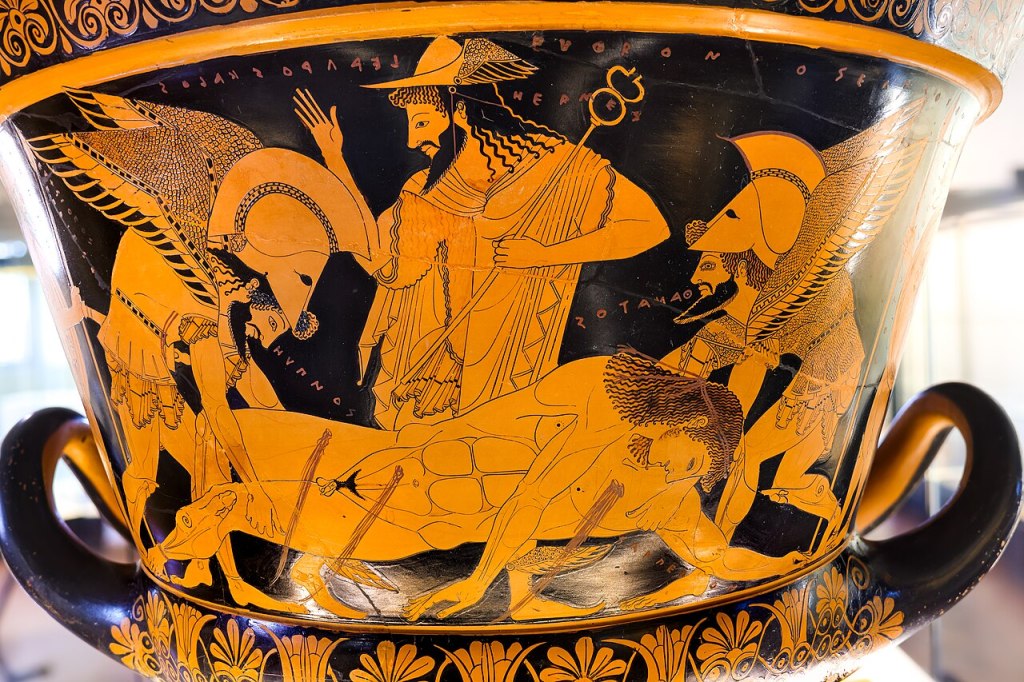
Why are there so many ‘Greek’ pots found in Etruria?
What types of perishable materials would have been used in Etruscan burials? How do know?
LogisticS
Wear clothes and shoes for walking long distances in rugged terrain. Consider long pants and long sleeves for extra protection against scratches from brush.
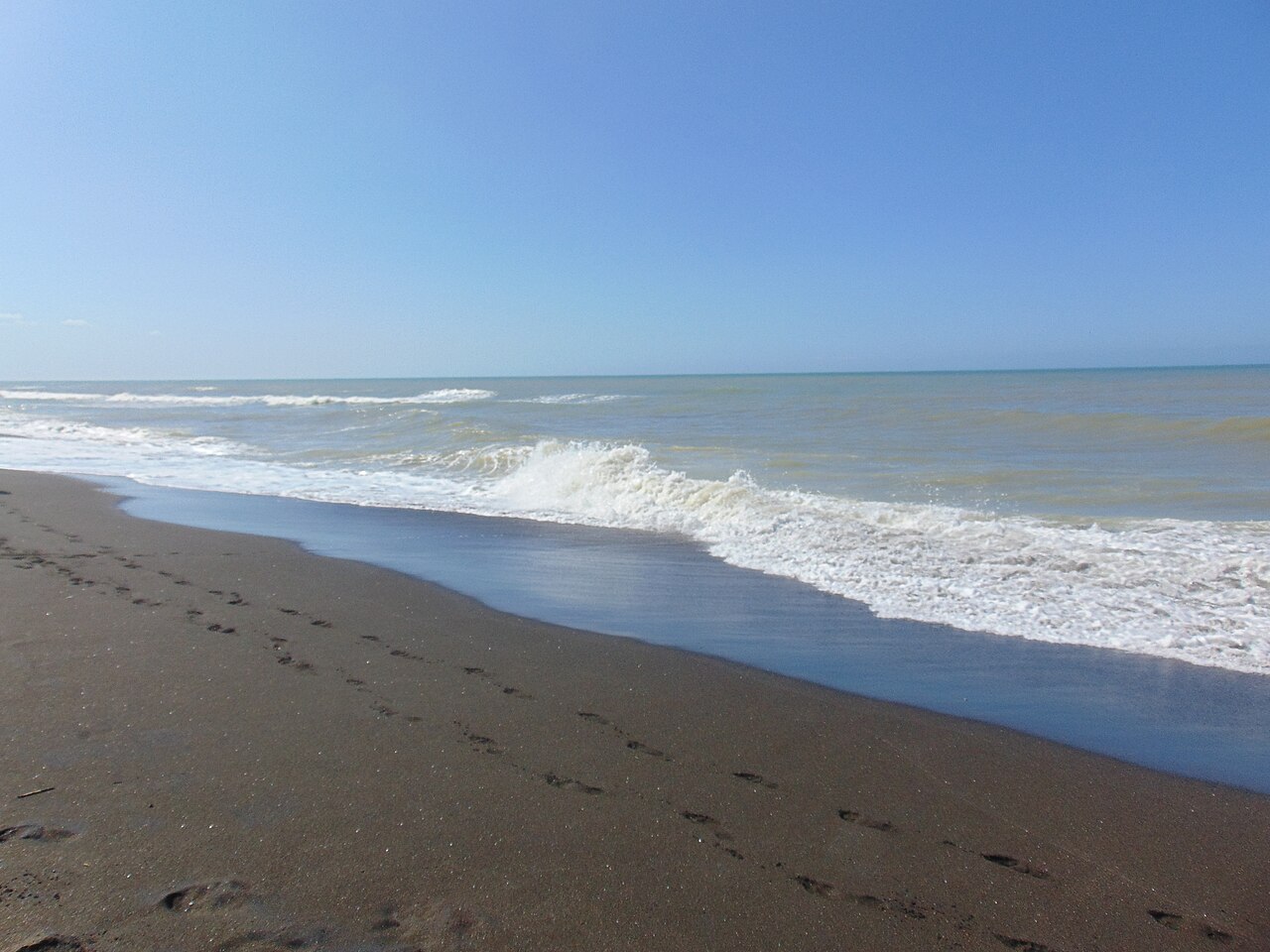
Pack a refillable water bottle, sunscreen, swimsuit, a snack bar or two (it will be a LONG DAY), and consider packing towel, flip flops, and beach things only if you wish to carry them. Today might be a good day to carry some extra cash and consider treating yourself here and there.
Meet Prof. Yarrow at Roma Trastevere train station at 8.30 AM
If you are late, I you will have to pay for your own train and and find your own way to meet up with us.
Train to Ladispoli and then local bus to Piazza Santa Maria in Cerveteri
Art Demo with Roberto Paolini of Pithos
Lunch at Pizzicheria & Bistro da Ilari al Centro (1 pm)
Taxi to Malibu Beach Club (5.30-7.30 pm reservations of umbrellas and lounge chairs included, but not mandatory; refreshments available for purchase)
Return to Rome at your own convenience on no later than the 10.09 pm train
Themes
What was distinctive about Etruscan culture? What have we lost and why? How was Rome connected to other culture groups? What does it mean for a site to be protected by UNESCO designation? How does life change when one leaves Rome, both past and present? How does the sea influence life both past and present? What do we learn from reproduction of ancient art?
Blog Prompt
Reflect on how themes of shared humanity and cross cultural exchange arose in different fashions throughout the day. Be sure to discuss your encounters, both modern and ancient. What felt familiar, what felt very alien? How did you make sense of the latter? Don’t forget to include a quotation or two from the readings, esp. ancient authors.
You may write a double post to earn double points (perhaps more!): 800 original words, 6 original images, the citation for the chapter you read in the additional reading (see above!).
Gallery